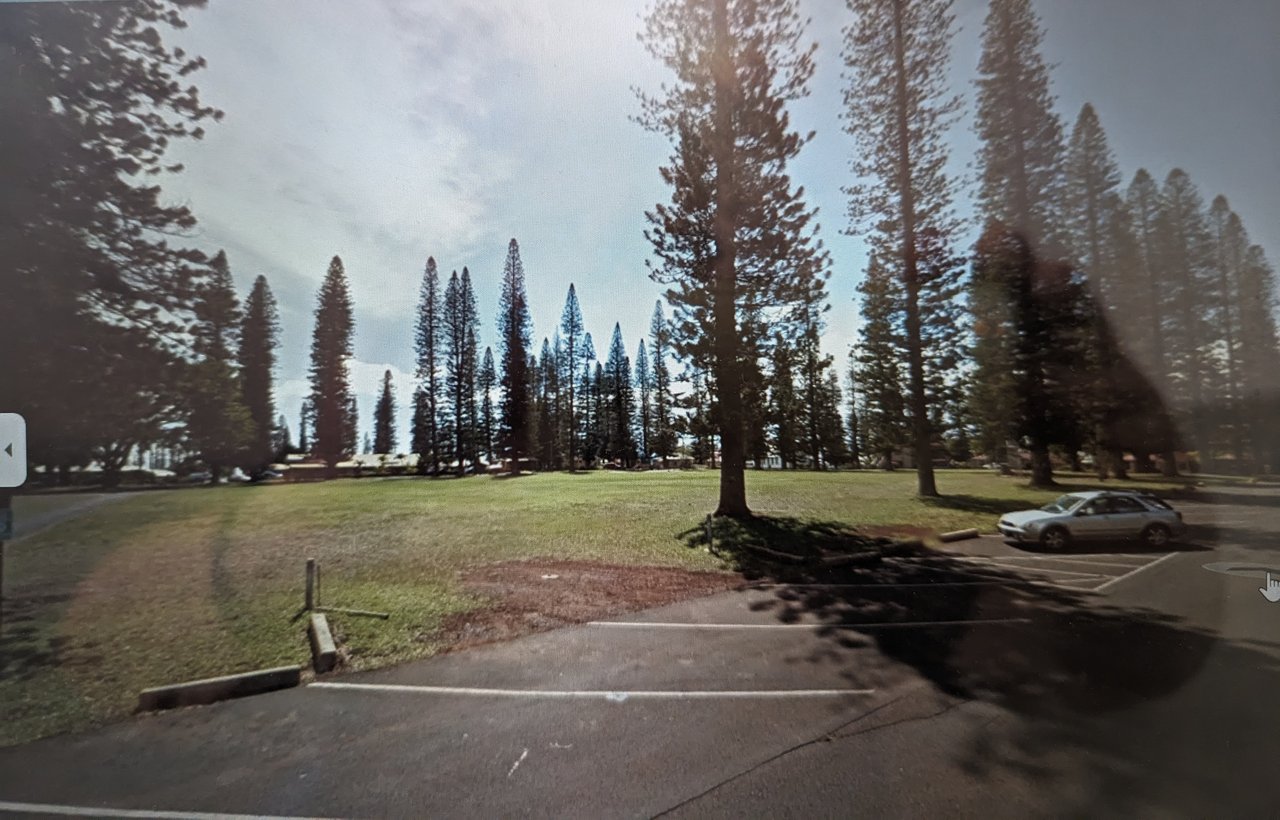
Living in Lānaʻi City, Hawaiʻi: Daily Life & Housing
February 5, 2026
February 5, 2026
Thinking about a quiet Hawaiʻi town where neighbors know your name and the pace lets you breathe? Lānaʻi City offers that rhythm, with island practicality and strong community ties shaping each day. If you want to understand daily life, housing, costs and logistics before you commit, you are in the right place. This guide walks you through what it truly feels like to live here so you can decide if Lānaʻi City fits your goals. Let’s dive in.
Lānaʻi City is the heart of the island of Lānaʻi, a small, close-knit community with a plantation-era town core. You will find essentials in one compact area, so many errands are a short walk or quick drive. Tourism and resort operations sit mainly outside town, which helps Lānaʻi City keep its low-key feel.
Expect a friendly, slower pace. Community life centers on the school, churches, local shops, and civic events. With a small population, you will make connections fast and see familiar faces often.
Lānaʻi is drier than many other islands, though microclimates are real. The central uplands around Koele tend to be cooler with more rain, while coastal areas near Manele and Hulopoʻe are warmer and sunnier. Most days stay in the 60s to 80s Fahrenheit, with wind and strong sun common.
Plan for salt air and humidity. Metal fixtures, cars and outdoor gear need more upkeep. Landscaping choices often consider water use and fire risk in dry seasons, and you will quickly learn to protect skin, wood and finishes from sun.
The town center follows a historic grid with cottages, small businesses and public buildings clustered together. You can pick up groceries, hardware basics, mail and banking in town, though selection is more limited than on larger islands. A community clinic covers basic medical needs, and residents travel to Maui or Oʻahu for specialist care.
You will find a public library, school, police and fire services within the core area. For larger purchases or special items, many residents plan occasional trips off-island or use freight and online ordering.
Lānaʻi Airport serves inter-island flights, typically with limited schedules that vary by season. On the ground, most residents use a car. Roads in and around town are paved, while some routes farther out can be narrow or unpaved.
Ferry connections from Maui have existed at times, but operators and schedules change. Confirm current options before planning regular trips. Within Lānaʻi City, short walks and bike rides make sense for everyday errands.
Expect a modest mix of cafés, takeout and local shops in town. Restaurants and fine dining are more concentrated in the resort zones near Manele and Koele. Because everything arrives by ship or plane, some brands and specialty goods are rare or pricier.
Residents often set a routine for supplies. You may do a weekly grocery run, keep a small pantry, and place periodic online orders for bulk goods. Community events, school activities and church gatherings anchor the social calendar, and outdoor recreation fills many weekends.
If you enjoy the outdoors, you will fit right in. Beach time at Hulopoʻe, snorkeling and diving near marine areas, and hiking in higher elevations are common. Off-road exploring is part of the island’s culture, but always respect private land and posted signs.
Golf and resort amenities add variety, especially if you live near the resort zones. Sun, wind and changing conditions keep things interesting, so you will get good at reading the weather.
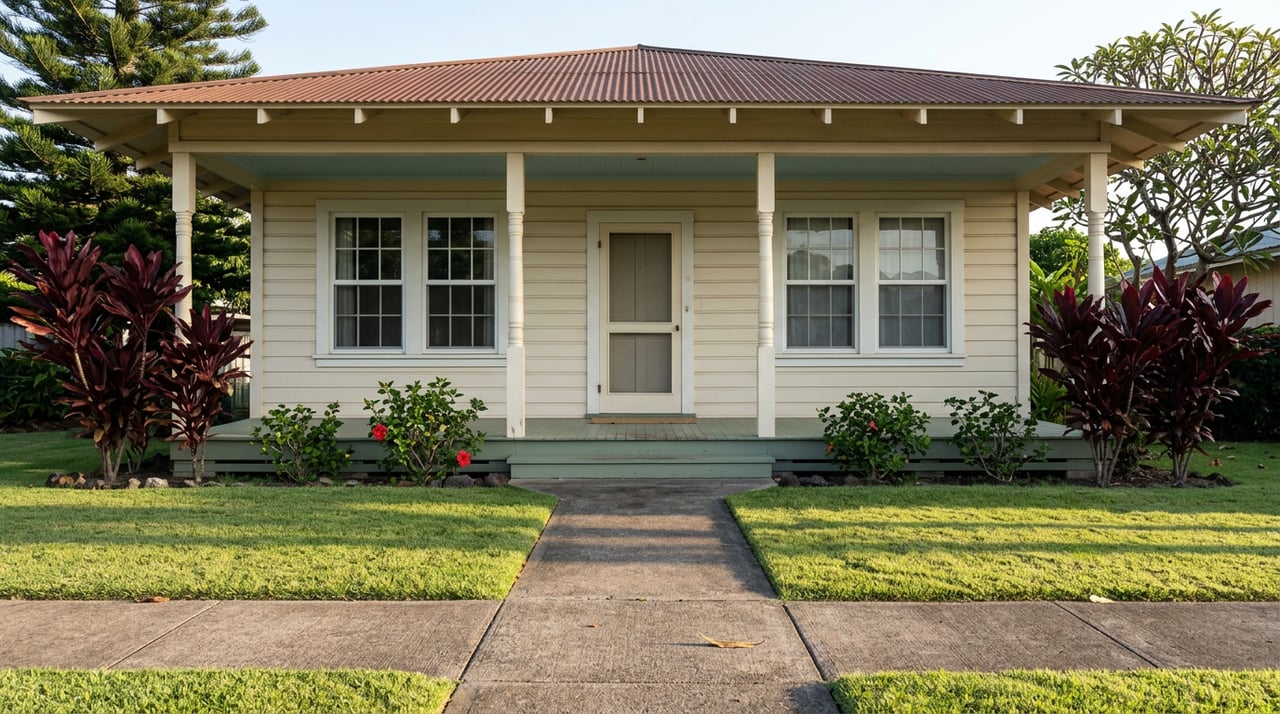
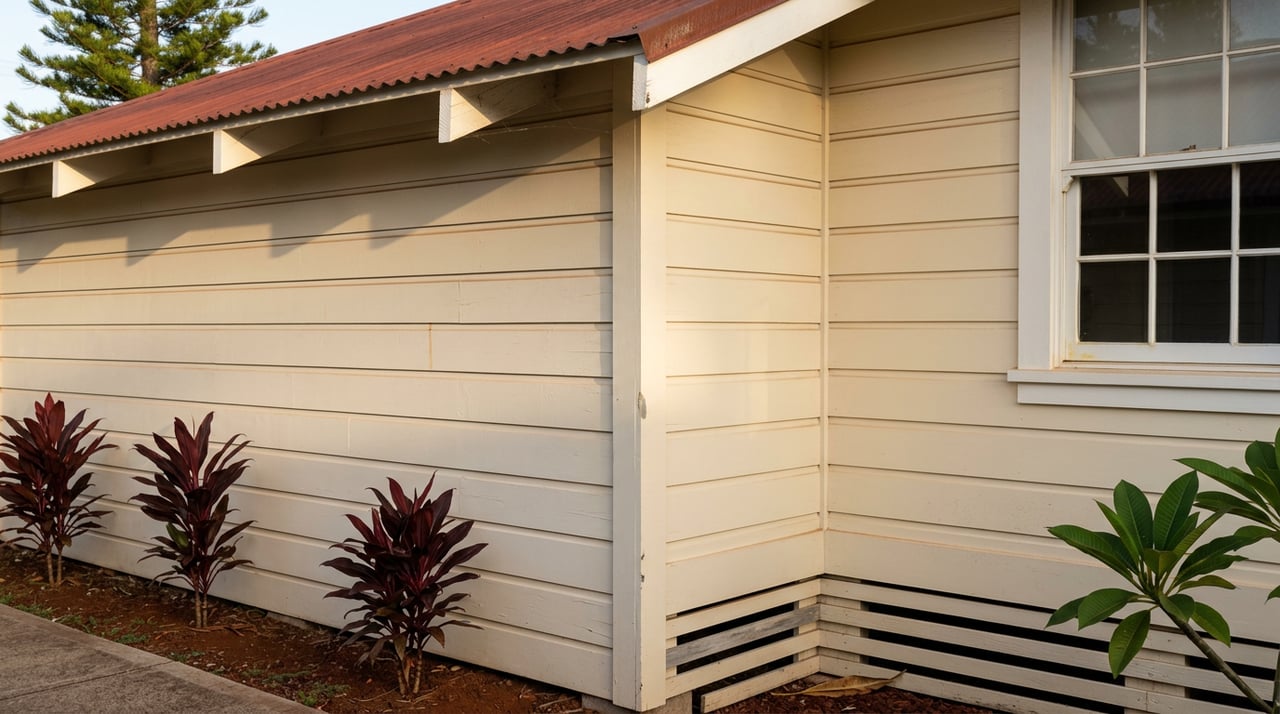
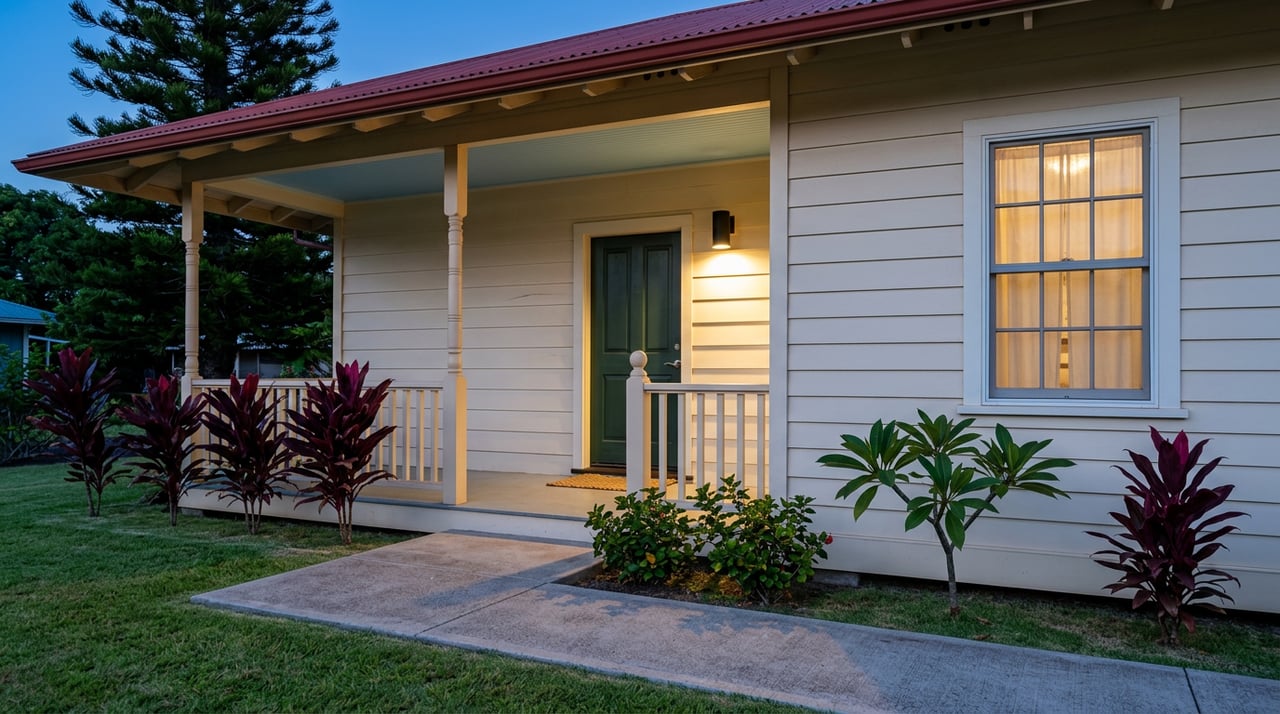
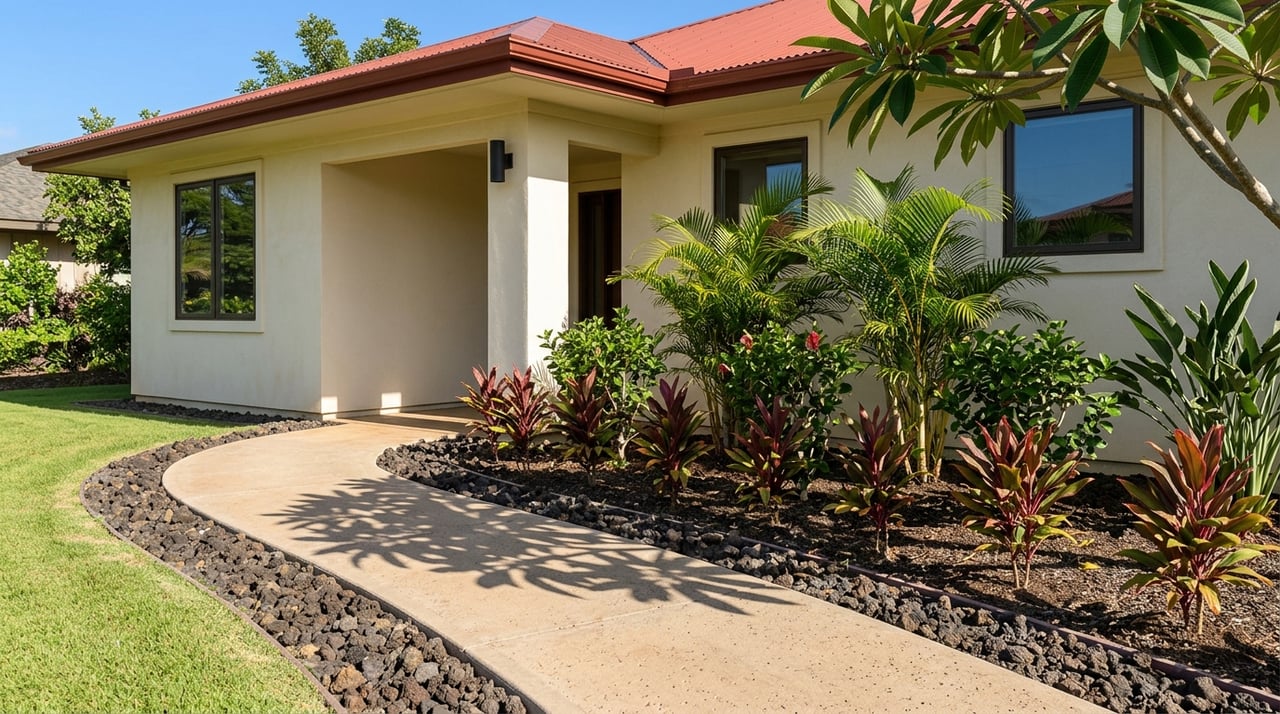
In town, you will see classic plantation-era cottages, single-story homes and modest lots. The streetscape feels compact and walkable. Outside town, there are single-family homes and ranch-style properties, as well as higher-end homes and condominium residences tied to the resort communities at Manele and Koele.
Inventory is limited and turnover is slow compared with larger islands. Prices often reflect scarcity and the costs of island logistics. Buyers range from long-time residents to second-home owners and retirees who value a quiet, community-centered lifestyle.
Island logistics shape ownership. Freight adds time and cost for materials and appliances, and contractor schedules can stretch, so plan ahead for maintenance and projects. Inspections should account for wind, hurricane and flood exposure, salt corrosion and termite activity common in Hawaiʻi.
Check Maui County zoning and any private covenants, especially for properties connected to resort areas. Short-term rental rules are governed by Maui County and can change, so verify current regulations if rentals are part of your plan. Lenders may apply island-specific underwriting, and property tax categories can differ for resort parcels versus residential parcels.
Groceries, fuel and many goods cost more than on the mainland. You can get the basics in town, and you will learn to time orders and trips to keep the pantry stocked. Water use and landscaping choices often reflect the island’s drier climate.
Electricity, water and waste services operate island-wide, with costs that can be higher than mainland averages. Internet is available, though speeds and reliability vary by location. Cell coverage is generally good in town and resort areas, with patchier spots elsewhere.
A local clinic handles routine care and basic needs. For specialized services or major procedures, most residents travel to Maui or Oʻahu. Emergency medevac is the standard pathway for serious incidents.
If you have ongoing medical needs, consider flight access, appointment lead times and caregiver support when choosing a home location. Many residents keep a simple medical travel plan prepared.
Life moves at a measured pace. School events, community center programs, youth sports and volunteer projects are social hubs. You will see strong participation in cultural gatherings and activities that honor local history.
Tourism activity is mainly at the resort areas and natural attractions, which gives the town core a quieter day-to-day feel. Respect for land, culture and neighbors is a shared value across the island.
Every place fits different people. Here is a plain view to help you decide.
Advantages
Challenges
Use this as a starting point when you tour homes:
Buying or selling on a small island takes practical planning and trusted local support. You want a partner who knows the town history, vendor landscape and county process, and who can coordinate details if you are off-island.
Okamoto Realty has worked with Lānaʻi residents and second-home owners for decades. Our team offers buyer and seller representation across Lānaʻi City and the resort communities, plus hands-on help for legacy owners, remote sellers and long-term rental management. When you are ready to explore homes or talk through logistics, connect with Okamoto Realty LLC.
Stay up to date on the latest real estate trends.
We bring together a mix of integrity, imagination and an inexhaustible work ethic, striving to make each buying and selling experience the best possible.