What to Know Before Buying Lanai City Plantation Homes
February 12, 2026
February 12, 2026
Drawn to the warmth and simple lines of Lānaʻi City’s plantation‑era cottages? Buying one can be rewarding, but these older wood‑frame homes come with unique questions about condition, permits, and island logistics. In this guide, you will learn what makes these homes special, what to check before you write an offer, and how to plan for inspections, permits, and renovations on Lānaʻi. Let’s dive in.
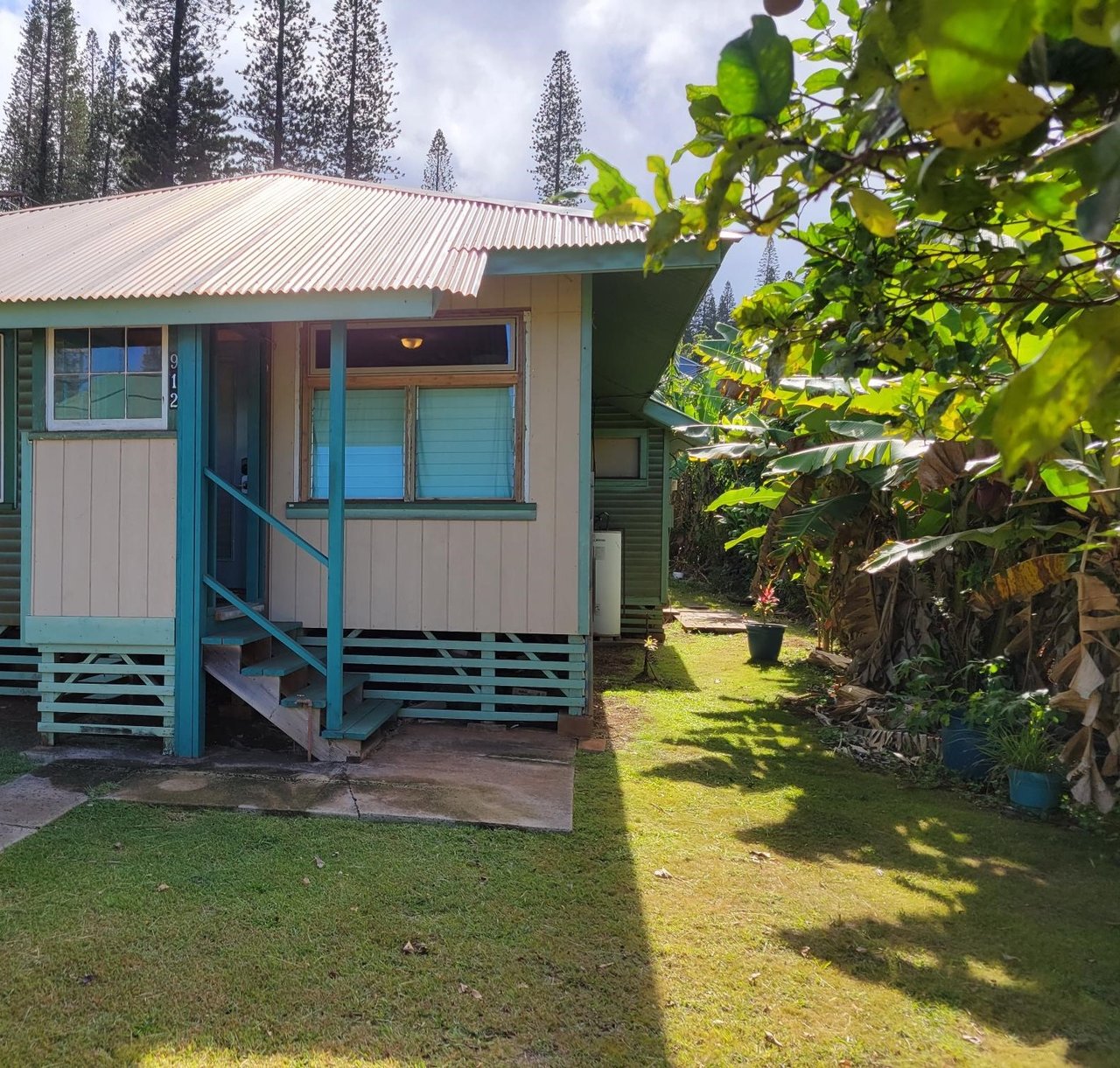
Lānaʻi City grew in the early 1900s as a plantation town serving the pineapple industry. Homes were built for practicality, airflow, and everyday living in the island climate. You still see a compact street grid, modest lots, and cottages close to the street that shape today’s neighborhood feel.
Inventory in Lānaʻi City is often limited compared with larger islands. When cottages do come on the market, interest can be strong from local and off‑island buyers. Plan ahead for access to services, contractors, and materials. Specialized trades and building supplies often come from Maui or Oʻahu, which adds time and cost.
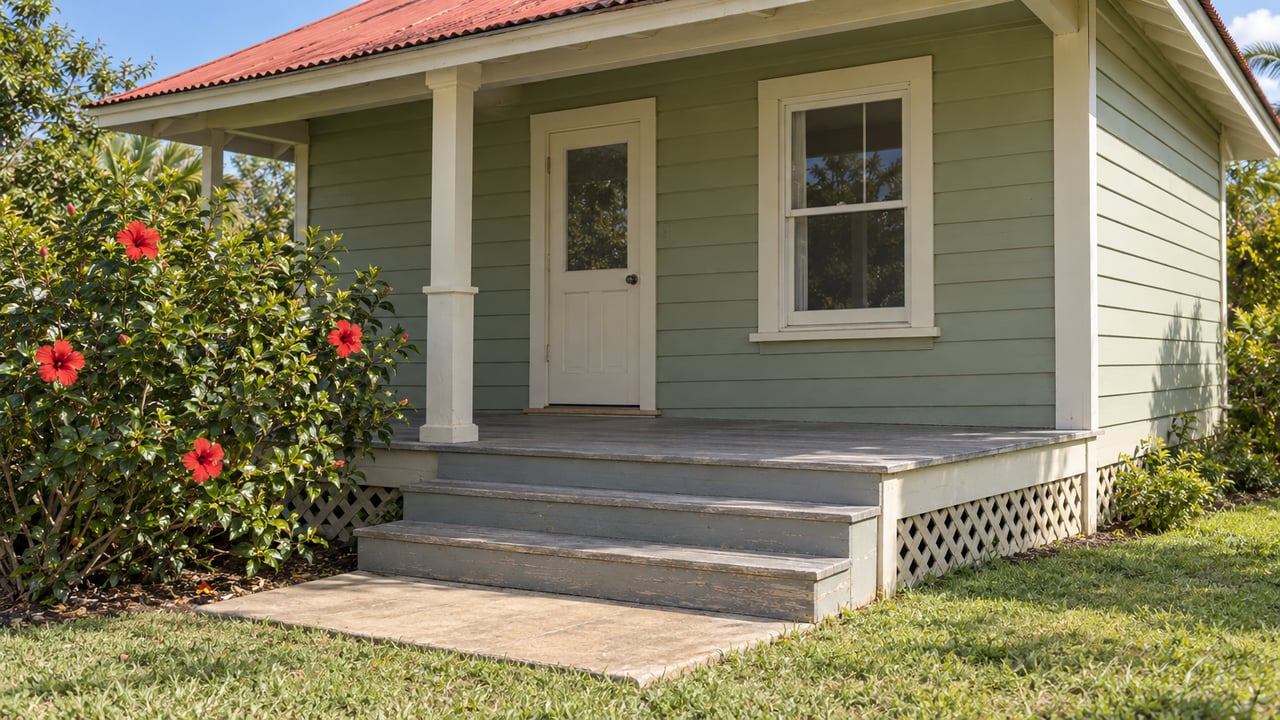
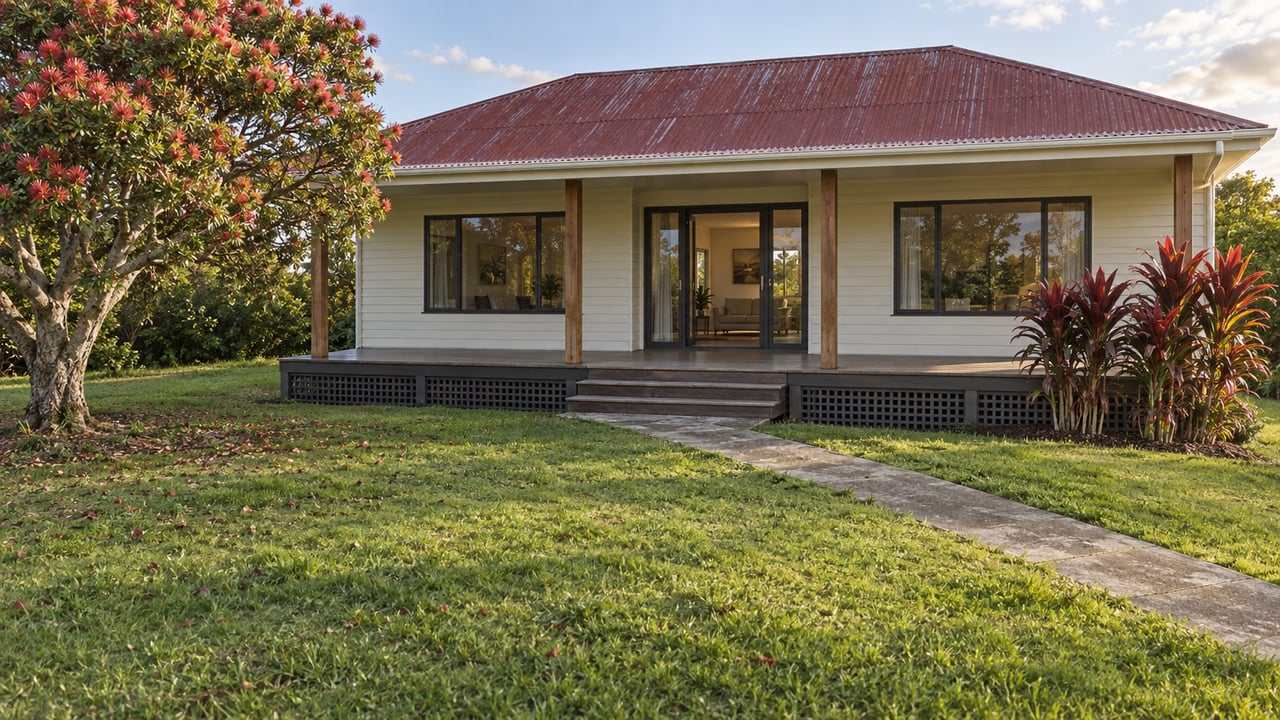
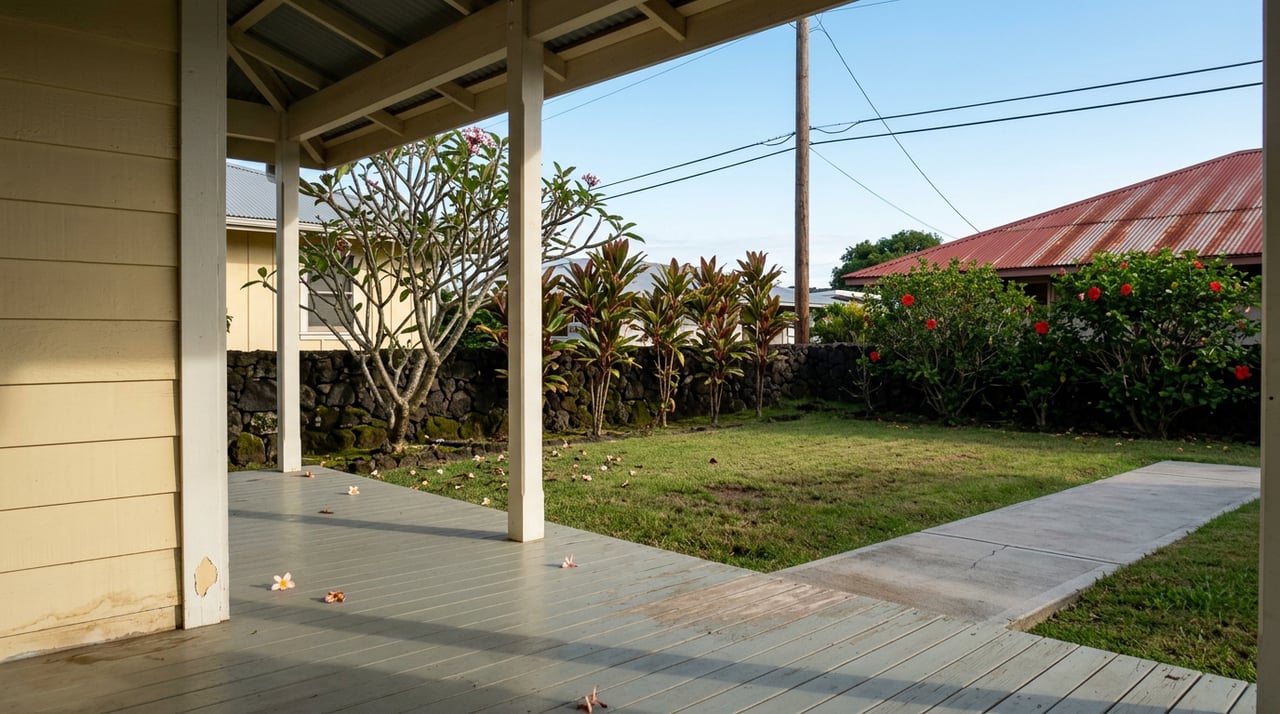
Most homes are single‑story, wood‑frame cottages on raised pier or shallow perimeter foundations. Manager or foreman homes can be larger and sometimes include more decorative details. You will often find a front lanai, high ceilings, simple trim, interior transoms or louvers for cross‑ventilation, and wood plank floors.
Layouts are compact and efficient. A central living room typically connects to bedrooms and a small kitchen by today’s standards. Many original homes had only one bathroom unless updated. Sizes vary, but most cottages were designed for small households.
Lots are generally modest, and homes sit close to the street on a traditional grid. Side and rear yards can be limited. Expansion options may be constrained by setbacks, lot coverage rules, and any historic guidelines that apply. Always confirm the current zoning and any special district rules before planning additions.
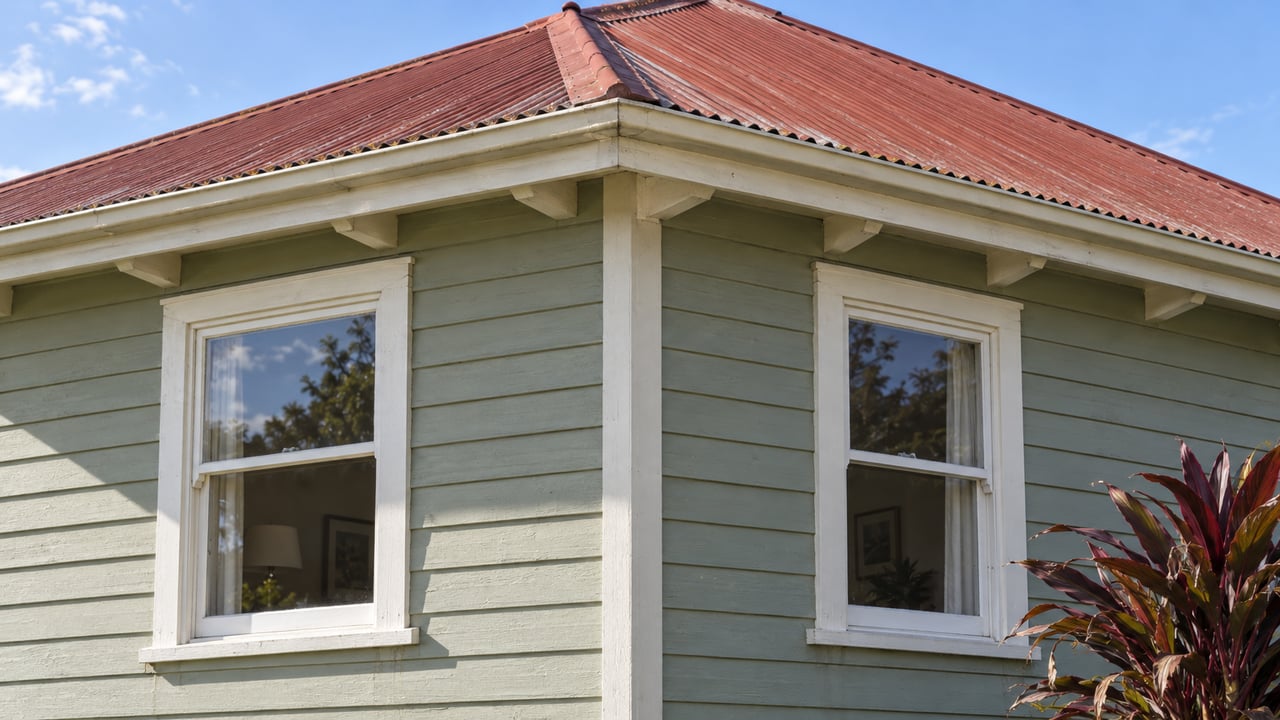
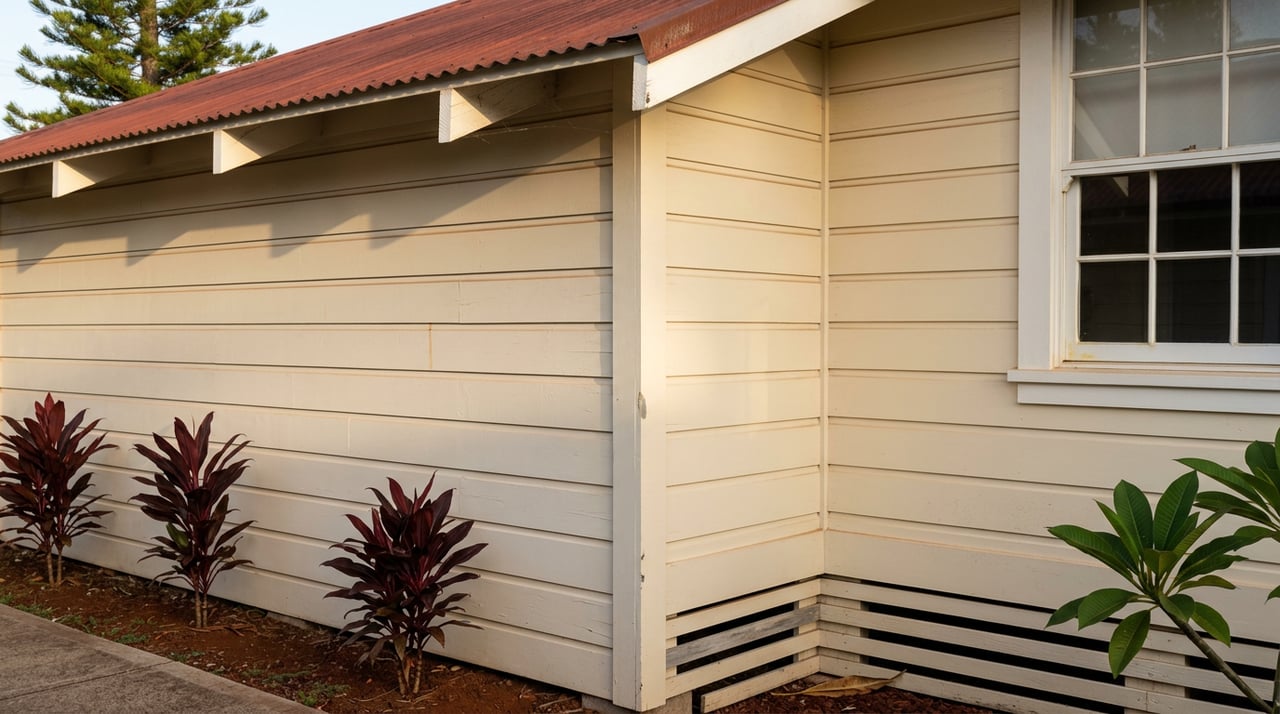
Expect wood siding or shingles and either metal roofing or asphalt shingles, depending on updates. Original single‑pane windows and older doors are common. Over time, some homes have replacement windows or newer finishes. Because of age and climate, check for moisture, paint failure, and signs of wood damage.
Ask focused questions early so you know what you are buying and how to budget.
Older wood‑frame homes need careful evaluation. Build the right contingencies into your offer and hire qualified inspectors.
Many plantation‑era homes benefit from systems upgrades. Common projects include panel upgrades, new circuits, plumbing replacements, roof repairs, and siding restoration. Central HVAC is uncommon, so adding modern cooling may require planning and coordination.
Exterior changes in a historic context may require review by Maui County planning. Typical permits include building, electrical, plumbing, roofing, structural, and demolition. Work done without permits can affect title, insurance, and resale, and it may require corrections.
If you plan a substantial renovation or an addition, look for any local design guidance to keep scale and proportions consistent with the neighborhood. Early conversations with the county help clarify what is allowed and how to honor the streetscape character.
On a small island, time and cost are shaped by logistics. There are fewer licensed trades based full‑time on Lānaʻi, and specialized work may come from Maui or Oʻahu. Shipping adds cost and can extend schedules, so order materials early and expect longer lead times.
Older homes can hide issues behind walls and under floors. Build a realistic contingency for unseen conditions. A good rule of thumb is to add 15 to 30 percent to renovation estimates you might use on other islands.
Insurance and lending also deserve early attention. Older roofs, outdated electrical, or older plumbing can affect insurance availability and premiums. Renovation‑friendly financing may include conventional renovation loans, FHA 203(k), or Fannie Mae Homestyle loans, depending on lender and property eligibility. Talk with lenders and insurance brokers early to confirm requirements for coverage and approval.
You can respect historic character while improving safety and comfort. Start with the essentials: electrical, plumbing, roofing, and structural repairs. Preserve visible features like original doors, trim, and lanai details when practical.
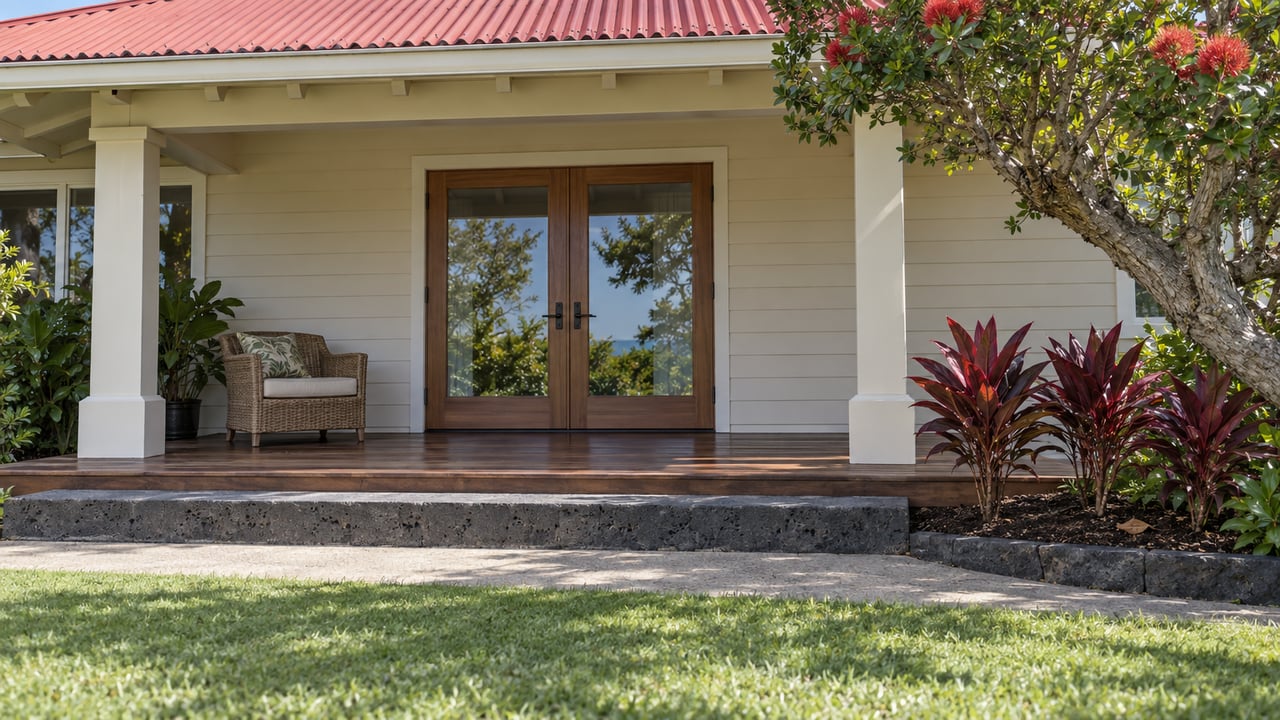
For energy comfort, focus on reversible upgrades. Add attic insulation, seal air leaks, and consider interior storm panels rather than replacing original windows. When exterior elements must be replaced, match the scale and proportions so the home still fits the streetscape.
Buying a plantation‑era home in Lānaʻi City is as much about stewardship as it is about structure. With limited inventory, older systems, and island logistics, you set yourself up for success by planning ahead and working with local pros. If you are considering a cottage with history and heart, our community‑rooted team can help you navigate permits, inspections, contractors, and escrow from start to finish.
Talk with a Lānaʻi real estate expert at Okamoto Realty LLC to take the next step with confidence.
Stay up to date on the latest real estate trends.
We bring together a mix of integrity, imagination and an inexhaustible work ethic, striving to make each buying and selling experience the best possible.