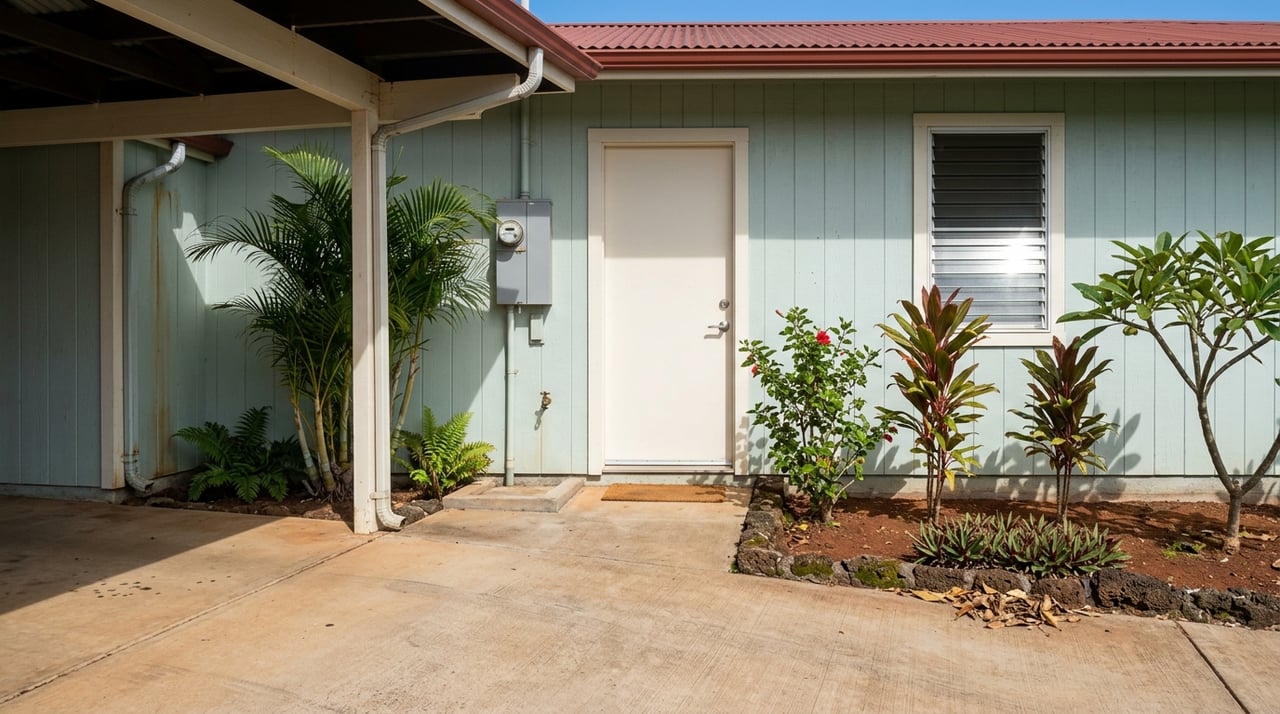
Koele Long Term Rentals on Lānaʻi: What Owners Should Know
April 23, 2026
April 23, 2026
Wondering whether a home near Koele makes sense as a long-term rental? On Lānaʻi, that question is less about chasing fast turnover and more about finding the right fit for a small, relationship-driven housing market. If you own near Koele or are considering renting out a property there, understanding local demand, Hawaiʻi rental rules, and the value of on-island management can help you make a steadier, more informed decision. Let’s dive in.
Homes near Koele sit in a unique part of Lānaʻi. Koele is now Sensei Lānaʻi, A Four Seasons Resort, located in the island’s uplands, while nearby Lānaʻi City remains a small plantation town with resident-owned shops, galleries, and restaurants, according to Four Seasons resort facts.
That small scale matters. The 2020 Census counted 3,332 residents and 1,432 housing units in Lānaʻi City, which helps explain why the local rental market tends to be limited, personal, and shaped by community relationships rather than high-volume turnover. For many owners, long-term rentals near Koele function more like part of the island’s housing infrastructure than tourism inventory.
Statewide housing trends add more context. UHERO’s Hawaiʻi housing factbook reports a statewide median rent of $1,938 in 2024 and notes that Maui and Kauaʻi have seen relatively larger rent growth over the past five years, while residential housing stock on those islands declined slightly. In that setting, stable long-term housing on Lānaʻi can carry both financial value and practical community value.
If you are thinking about tenant demand, it helps to start with who already lives and works on the island. DataUSA’s profile for Lānaʻi City shows a 53% homeownership rate in 2024, a median household income of $92,167, and a workforce centered in accommodation and food services, administrative support and waste management, and educational services.
That suggests the most likely long-term tenant pool near Koele includes island residents, local worker households, and families tied to year-round employment. Rather than marketing a home around visitor-style demand, owners are usually better served by focusing on everyday livability, commute practicality, and a good fit for full-time island life.
Resort staff and contractors may also be part of that picture. Sensei Lānaʻi is a 96-room resort, and Pūlama Lānaʻi describes an island setting with one school, one hospital, and no traffic lights, while noting that its employees on Lānaʻi and Oʻahu work with residents and businesses. While that is not a direct tenant survey, it supports the idea that housing demand near Koele is closely tied to local operations, services, and community needs.
For many owners, the clearest takeaway is simple: homes near Koele are generally better positioned as stable residential rentals than as short-term accommodations. The area sits within a small island community where housing availability, local employment, and neighborhood compatibility all carry extra weight.
That aligns with broader local conditions. Lānaʻi is a small-market environment where relationships matter, and where steady occupancy often makes more sense than repeated turnover. If your goal is dependable tenancy, fewer transitions, and a property use that fits the island’s housing pattern, a long-term approach is often the more practical path.
Before you rent out a home near Koele, it is important to understand the basic legal framework. Under Hawaiʻi landlord-tenant law, landlords and tenants may agree in writing to any lease term. If no term is set, the tenancy is generally month-to-month, or week-to-week for boarders.
The state handbook uses a six-month lease as one example of a fixed-term rental. It also explains that if a tenant stays after the lease ends and the landlord allows it, the arrangement can become a month-to-month tenancy. For owners, that makes clear written lease terms and renewal language especially important.
If you use a month-to-month tenancy, Hawaiʻi law sets specific notice periods. A landlord must generally give 45 days’ written notice to terminate, while a tenant must give 28 days’ written notice to move out.
If the owner plans to convert the property to a transient vacation rental, condominium, or demolition, the required landlord notice rises to 120 days, according to the same state statute and handbook. For owners near Koele, this is another reason to think through your longer-term plans before offering a property for rent.
Hawaiʻi also sets firm limits on security deposits. Under HRS §521-44, the security deposit cannot exceed one month’s rent, although a separate pet deposit of up to one additional month’s rent may be agreed to.
After the tenancy ends, the landlord must return the deposit and any itemized deductions within 14 days. For owners, good recordkeeping is not just helpful. It is part of staying compliant and avoiding unnecessary disputes.
On a small island, property management is about much more than collecting rent. It is about communication, responsiveness, and handling details correctly in a place where logistics can be more personal and more time-sensitive.
Hawaiʻi law makes local oversight especially important for off-island owners. The state landlord-tenant statute requires an owner or landlord who lives outside the state or on another island to designate an agent who resides on the same island as the rental unit. The law also requires disclosure of the person authorized to manage the property and receive rents, notices, and demands.
That means local management is not just a convenience. In many cases, it is a key part of legal compliance. It also helps support smoother communication with tenants and faster coordination when issues come up.
Operationally, local management helps with the tasks that keep a long-term rental running well. According to the 2024 Hawaiʻi Landlord-Tenant Handbook, landlords generally must give at least two days’ notice before entering a unit and may enter only during reasonable hours except in emergencies.
The same handbook says landlords must keep the premises safe and healthy and maintain electrical, plumbing, and other facilities in good condition. It also notes that emergency repairs needed to keep a unit sanitary and habitable should begin within three business days after notice. On Lānaʻi, where vendor coordination and response timing can be island-specific, having someone local can make a real difference.
A good manager also helps protect the tone of the tenancy. On Lānaʻi, screening, maintenance coordination, written notices, rent receipts, lease records, and move-out accounting all affect not only compliance but also neighbor relationships and owner reputation.
That is especially true near Koele, where a rental should feel like part of the residential fabric, not a disconnected investment. Clear expectations and responsive management support a steadier experience for everyone involved.
If you own a home near Koele, it helps to think through the practical details before listing it for rent. A strong rental plan usually starts with the right questions.
Consider discussing these points with your property manager or real estate professional:
These are not small details. On Lānaʻi, they shape the quality, stability, and compliance of the tenancy from the start.
If you are evaluating a long-term rental strategy near Koele, the local story is fairly clear. This is a small island market tied closely to resident life, year-round work, and practical housing needs. That makes tenant fit, reliable management, and legally sound lease practices more important than quick turnover.
For many owners, the best results come from treating the property as long-term housing first. When you match the home to the right residential use, set clear lease terms, and have dependable local support in place, you are in a stronger position to create a stable rental experience for both you and your tenant.
If you want local guidance on long-term rental strategy, property management considerations, or buying and selling on Lānaʻi, connect with Okamoto Realty LLC. Their team brings practical island knowledge and hands-on support tailored to Lānaʻi’s unique market.
Stay up to date on the latest real estate trends.
We bring together a mix of integrity, imagination and an inexhaustible work ethic, striving to make each buying and selling experience the best possible.