Lanai City vs Manele Living: Which Fits Your Lifestyle?
February 19, 2026
February 19, 2026
Choosing between life in Lānaʻi City and the resort areas at Manele and Koʻele shapes your day-to-day more than you might expect. Do you want walkable errands and neighborly routines, or hotel-level amenities and manicured grounds? On a small island, the right fit comes down to pace, access, and how you like to spend your time. In this guide, you’ll see how each area lives, what to expect for services and transportation, and a simple checklist to guide your decision. Let’s dive in.
Lānaʻi City is the island’s upcountry town and service hub. It began as a 1920s plantation town centered on Dole Park and still feels compact and community-focused. The town had 3,332 residents at the 2020 census, which helps explain the slower, neighbor-forward pace you feel on everyday walks and errands. You can read more about the town’s background on the Lānaʻi City page at Wikipedia.
You’ll also hear locals talk about island ownership history. Most of the island’s land is privately held under a single owner following a 2012 purchase reported widely in the press. For background context, see Forbes’ profile of Larry Ellison.
Basic services are in or near Lānaʻi City. You have the island’s critical-access hospital, the main grocery store, the post office, the public library, and small shops. Specialty medical care is limited on-island. Residents with ongoing needs usually plan for off-island treatment and hospitalizations. The local facility is profiled on Turquoise Health’s Lanai Community Hospital page.
One public PK–12 campus serves the entire island: Lānaʻi High & Elementary School. If you need specialized programs beyond what the campus offers, you would look off-island. You can review neutral school profile details at GreatSchools.
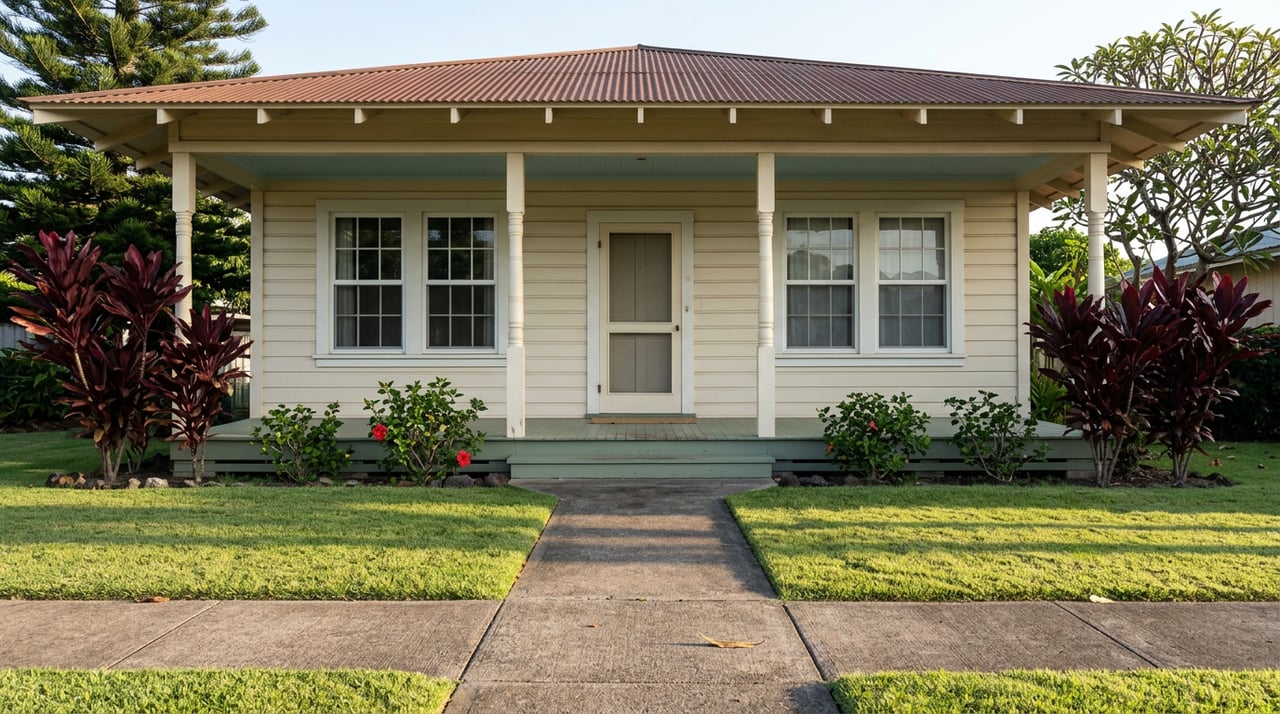
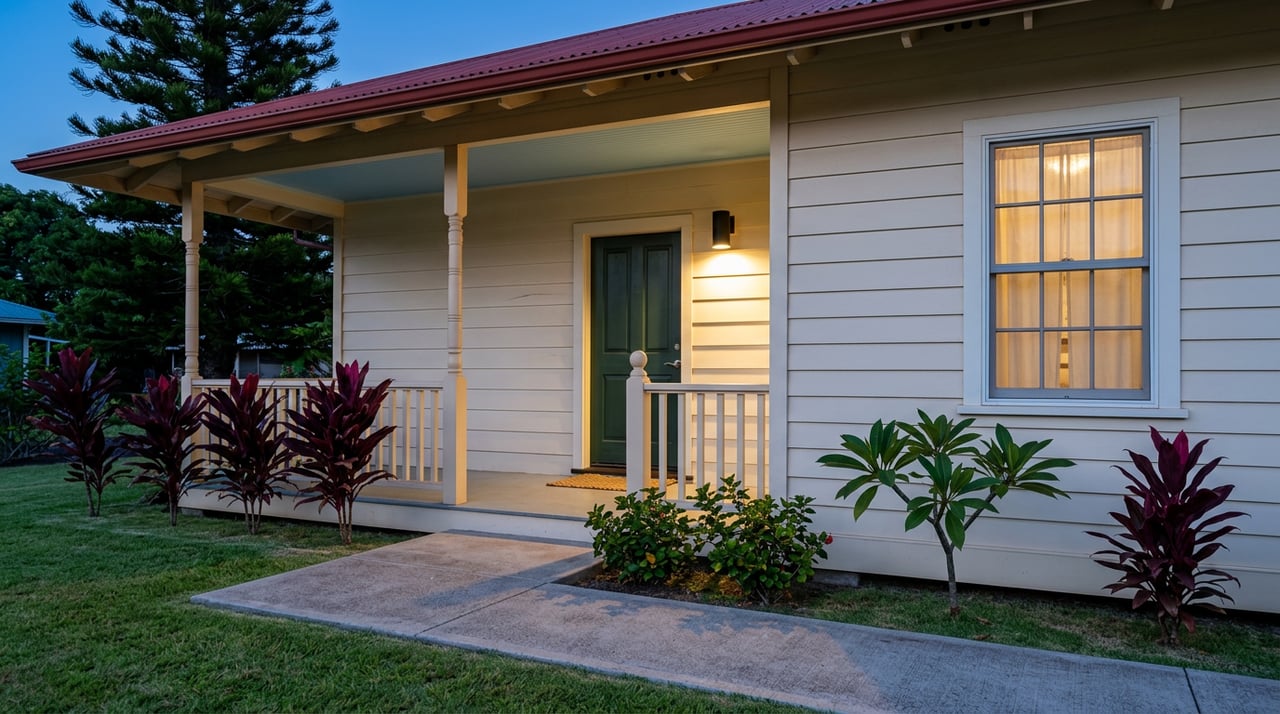
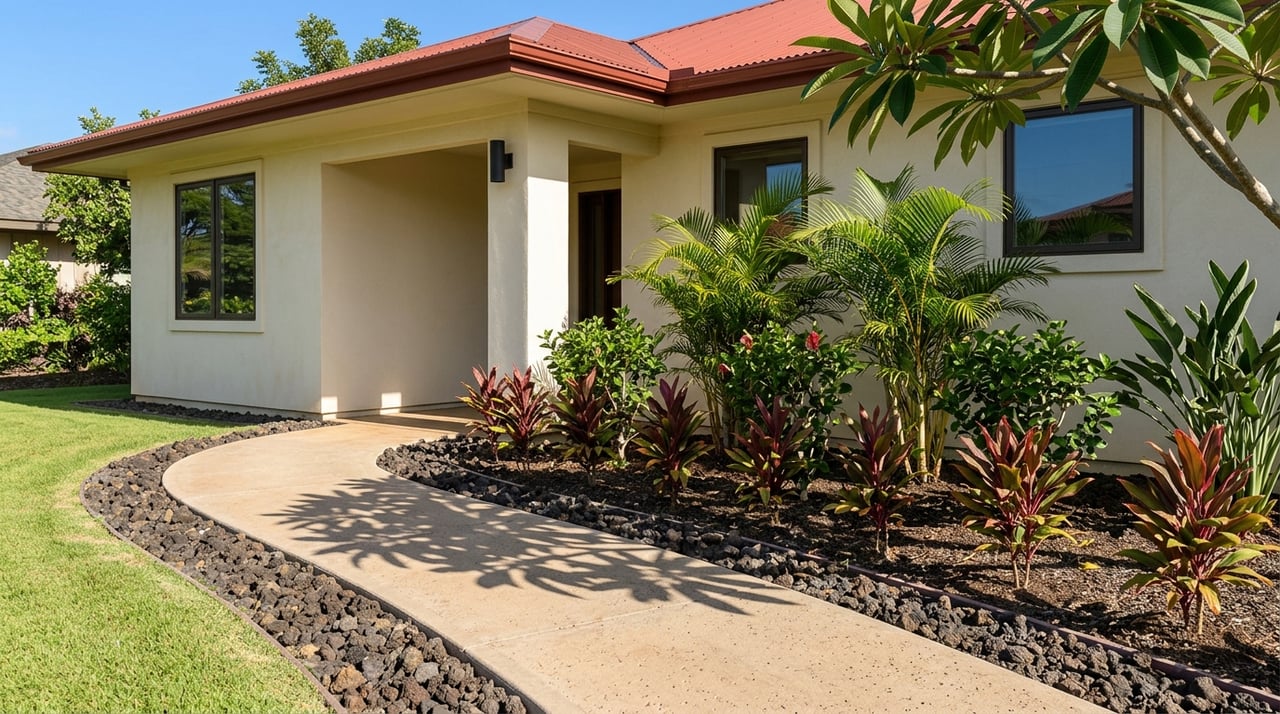
Town housing ranges from older plantation-era homes to modest single-family houses, a few small condos, and a limited rental supply. Inventory is small and sales are infrequent, so price snapshots vary a lot between data sources. Treat any market number as directional and verify with current MLS comparables. Island upkeep costs can be higher than you may be used to, given shipping and contractor logistics.
Most daily drives are short. Many interior roads are unpaved, so a 4x4 is useful if you like to explore. The drive from Lānaʻi City to the Manele and Hulopoe resort area is often in the 20 to 30 minute range, depending on start point and conditions.
For off-island trips, you’ll rely on inter-island turboprop flights to Maui and Oahu. Typical flight durations run about 25 to 40 minutes depending on the route. To see route options and schedules, check Kahului to Lānaʻi City routes on Kayak.
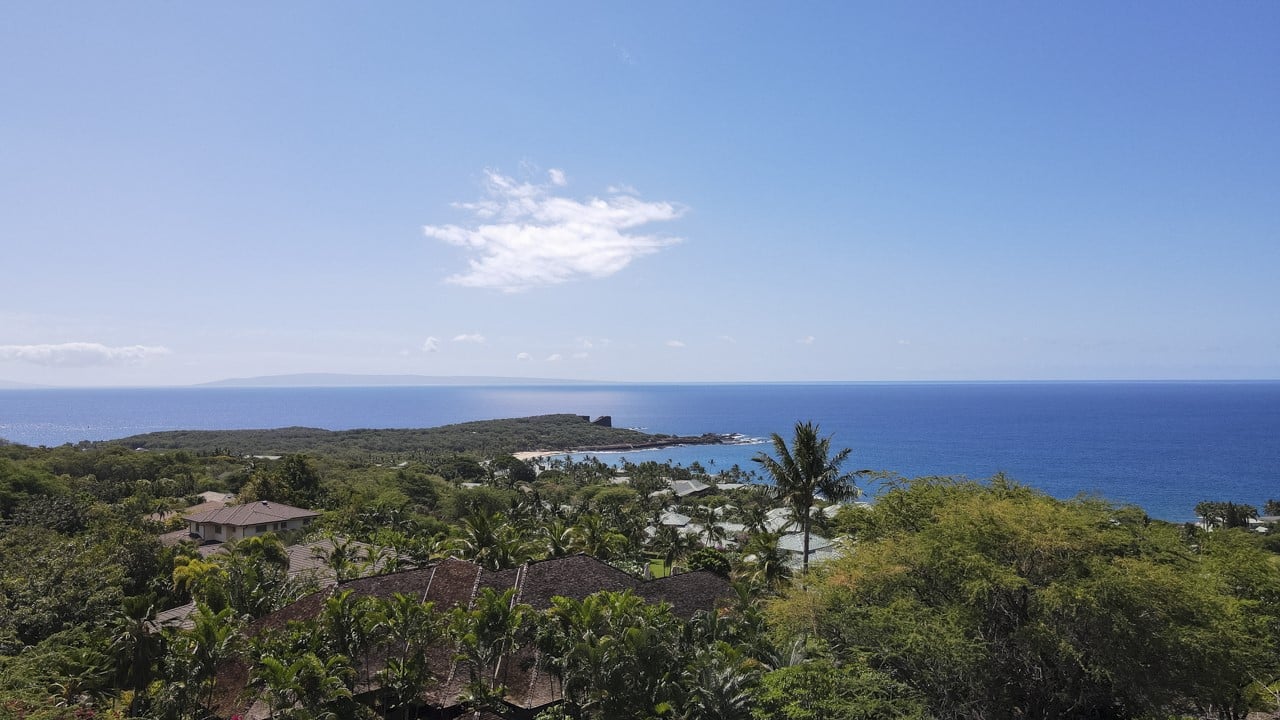
The island’s main resort clusters are the Manele Bay coast at Hulopoe and the upland Koʻele area. These zones are anchored by Four Seasons properties and a wellness retreat, with amenities like dining, spa services, golf, and guided activities. For an overview of on-property offerings, visit the Four Seasons Resort Lānaʻi site.
Resort neighborhoods are not full-service towns. You trade a quick walk to the post office for hotel-level convenience: concierge, on-property dining, landscaping, maintenance, and security. Life can feel extra serene in slower travel periods, then busier during peak seasons as guest arrivals and events pick up.
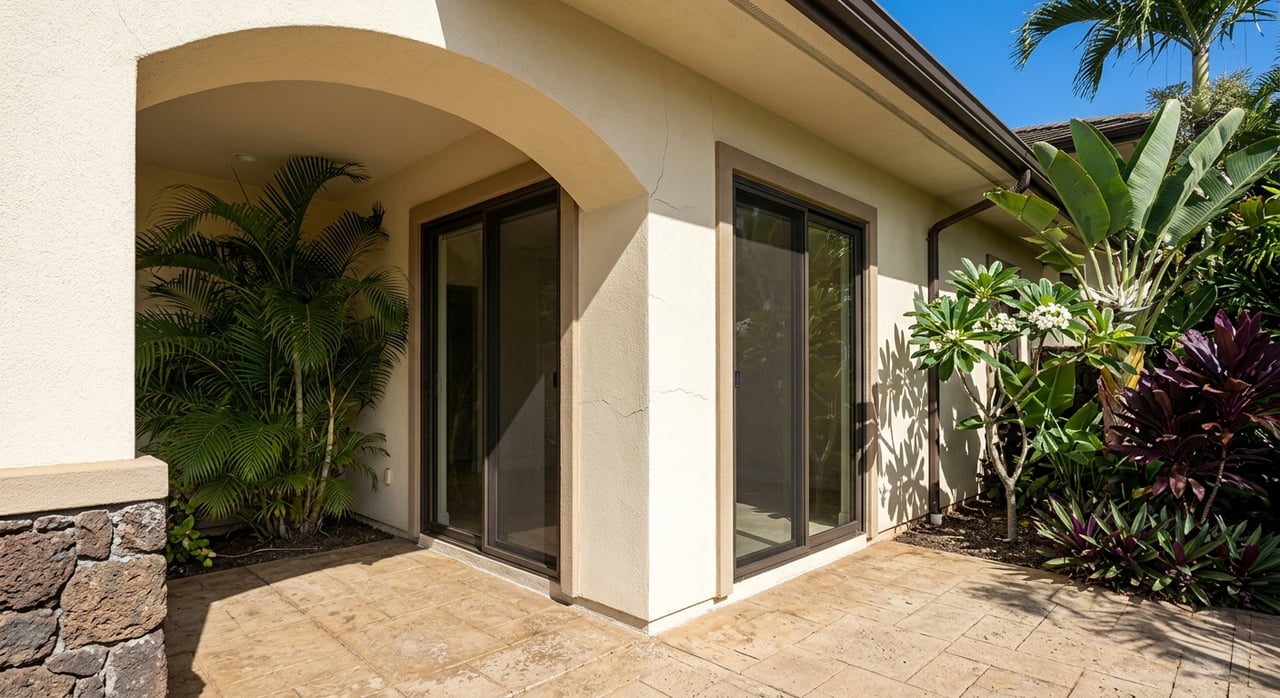
Resort-area housing skews to luxury condos, villas, and residence options associated with the resort environment. Purchase inventory is limited and typically commands a premium. If you are exploring rental potential, know that resort-managed units and privately owned condos can have different rules on short-term use, owner occupancy, and HOA covenants. Always confirm governing documents and any recent ordinance changes with the HOA and Maui County. County updates are posted on the Maui County site.
Resorts employ a large share of the island’s workforce, and many team members commute from town. Housing supply, leasing policies, and workforce access to long-term rentals are ongoing community topics. For a snapshot of how ownership and resort development intersect with local life, see this Business Insider report hosted via kompas.wasmer.app.
Hawaiian islands experience higher costs for many goods due to shipping and logistics. It is smart to budget for higher grocery and materials costs and occasional delivery delays. You can find context in federal discussions about shipping and supply chains on Congress.gov.
Use this list to clarify which side of the island fits you best, then verify the details during your search.
If you want neighborly routines, a simple drive to the market, and a grounded pace, Lānaʻi City likely fits. You’ll trade a few dining choices and limited professional services for easy access to daily needs. If you prefer resort-caliber amenities, manicured grounds, and concierge support, life near Manele or Koʻele can be a great match. You’ll still rely on town for most errands and the school campus, so build that drive into your plans.
Either path benefits from clear expectations about island logistics. Confirm transportation, understand property rules, and budget for shipping and maintenance. With the right guidance, you can choose the setting that supports your routine, your guests, and your long-term goals.
Ready to compare specific homes in town and near the resorts, or to talk through logistics like inspections, vendors, and HOA rules? Okamoto Realty LLC is based on Lānaʻi and helps you plan each step with clear, local guidance. Talk with a Lānaʻi real estate expert.
Stay up to date on the latest real estate trends.
We bring together a mix of integrity, imagination and an inexhaustible work ethic, striving to make each buying and selling experience the best possible.