Koele vs Manele vs Lānaʻi City: How to Choose
April 9, 2026
April 9, 2026
If you are thinking about buying on Lānaʻi, one question usually rises to the top fast: Should you focus on Kōʻele, Mānele, or Lānaʻi City? Each area offers a very different day-to-day experience, and the right fit depends on how you plan to live on the island. This guide will help you compare setting, housing style, and practical lifestyle differences so you can narrow your search with more confidence. Let’s dive in.
On Lānaʻi, resort development is mainly centered in two places: Kōʻele, above Lānaʻi City, and Mānele, along Hulopoʻe Bay on the south coast. According to Maui County planning materials, Lānaʻi City remains the island’s historic town center.
That means your choice is often less about picking between three similar neighborhoods and more about choosing between two resort-oriented districts and the island’s main year-round residential hub. For many buyers, that distinction shapes everything from daily convenience to the kind of property that makes the most sense.
Kōʻele is the island’s upland resort district. Sensei Lānaʻi describes the area as being in the traditionally spiritual uplands of Lānaʻi, surrounded by mountains, valleys, and plateaus, with gardens, spa hale, and shuttle access to downtown.
In practical terms, Kōʻele tends to feel quiet, tucked away, and removed from the busier parts of island life. If you are drawn to open green space, a retreat-like atmosphere, and a calmer setting, this area often stands out.
Because Kōʻele sits in the uplands, it should generally feel cooler than lower-elevation areas. NOAA climate guidance notes that temperature in Hawaiʻi usually decreases about 3°F per 1,000 feet of elevation, and rainfall can vary sharply with terrain.
That helps explain why Kōʻele is often associated with a greener, cooler environment than the coast. If your ideal Lānaʻi home leans more garden-oriented than beach-oriented, Kōʻele may match that vision better.
Housing in Kōʻele is not defined by a large, conventional residential subdivision. Instead, it is largely tied to resort uses and a smaller amount of condo-style ownership.
The State of Hawaiʻi condominium association registry lists both Villas at Koele Phase I and Villas at Koele Phase II, confirming ownership opportunities exist in the district. For many buyers, that points to a more limited, low-density ownership environment rather than a typical town neighborhood.
Mānele is Lānaʻi’s south shore beach and harbor district. The Department of Land and Natural Resources places Mānele and Hulopoʻe bays on the southern coast, about eight miles from Lānaʻi City, and notes the area includes a small boat harbor, beach park, tidepools, and the Mānele-Hulopoʻe Marine Life Conservation District.
If Kōʻele is about upland quiet, Mānele is about proximity to the ocean. Buyers who picture beach access, coastal views, and a resort setting usually gravitate here first.
Mānele is strongly hospitality-driven. The Four Seasons Resort Lānaʻi accommodations overview highlights oceanfront and ocean-view lodging, private lanais, pools, beach access, spa and fitness amenities, while the resort’s golf offering includes the Manele Golf Course above Hulopoʻe Bay.
That does not automatically make every ownership opportunity in Mānele a hotel-style experience, but it does tell you a lot about the area’s identity. The setting is built around the coast, recreation, and resort amenities rather than everyday town services.
Like Kōʻele, Mānele includes condo-style ownership rather than only visitor accommodations. The state condo registry lists Palms at Manele - Phase I, confirming that ownership products exist alongside the resort environment.
For buyers seeking a lock-and-leave second home, this setup can be appealing. For buyers who want a more traditional neighborhood pattern, it may feel less aligned with everyday residential life.
Lānaʻi City is the island’s historic town center and the strongest candidate for buyers looking for a primary residence. The Historic Hawaiʻi Foundation describes it as a 1920s Garden City or Village planned community organized around Dole Park, with tree-lined streets, generous setbacks, and designated residential, business, civic, industrial, and agricultural areas.
The same source notes that Lānaʻi City contains the largest collection of intact plantation-period buildings remaining in Maui County. That gives the town a very different character from the two resort districts.
For everyday living, Lānaʻi City has the island’s clearest concentration of services. Lānaʻi High & Elementary serves pre-K through 12 at 555 Fraser Avenue, and the research report also identifies the Lānaʻi Public and School Library, the Lanai Community Health Center, and a Maui County district office as being in town.
That service concentration is a major reason many full-time residents focus their search here. If convenience matters, Lānaʻi City often offers the most straightforward day-to-day setup.
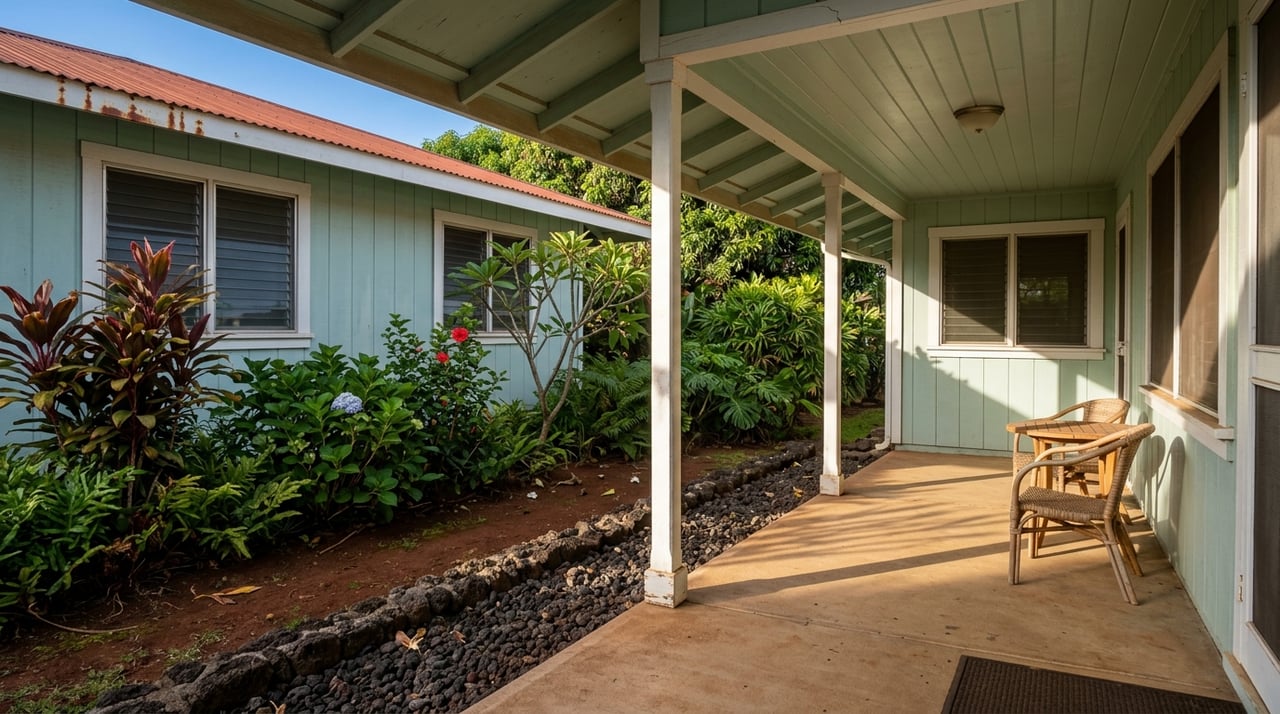
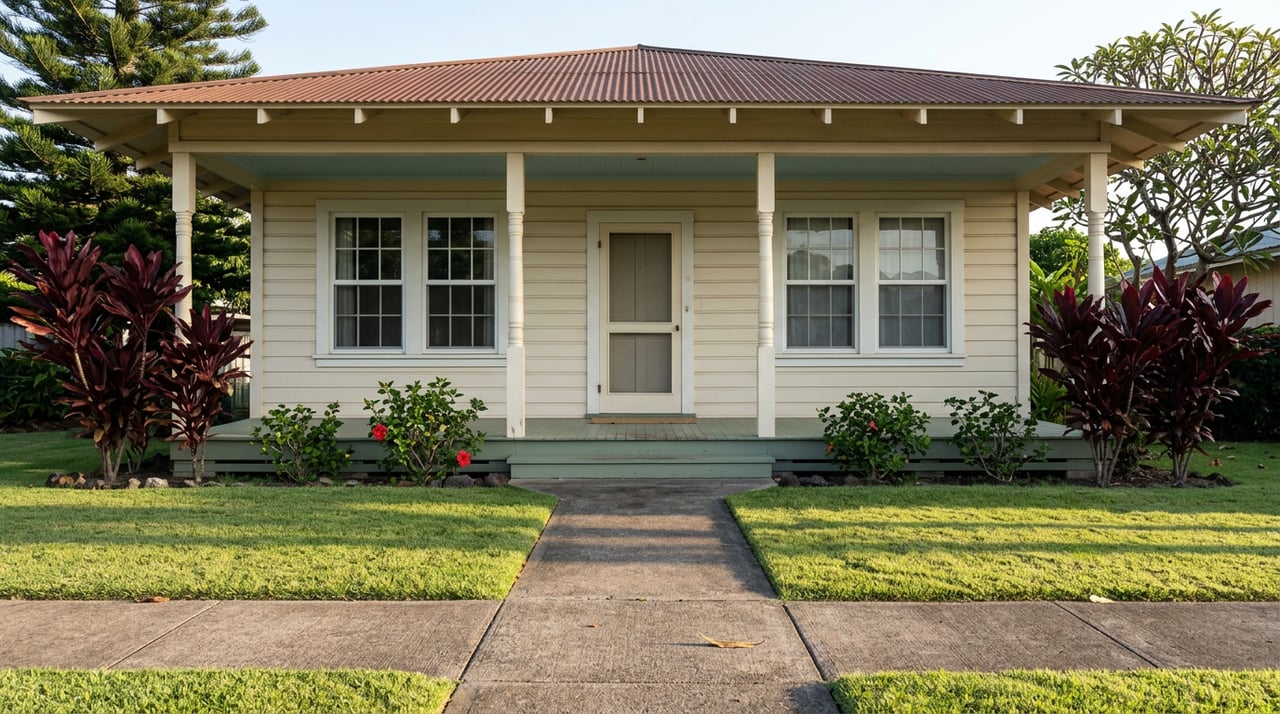
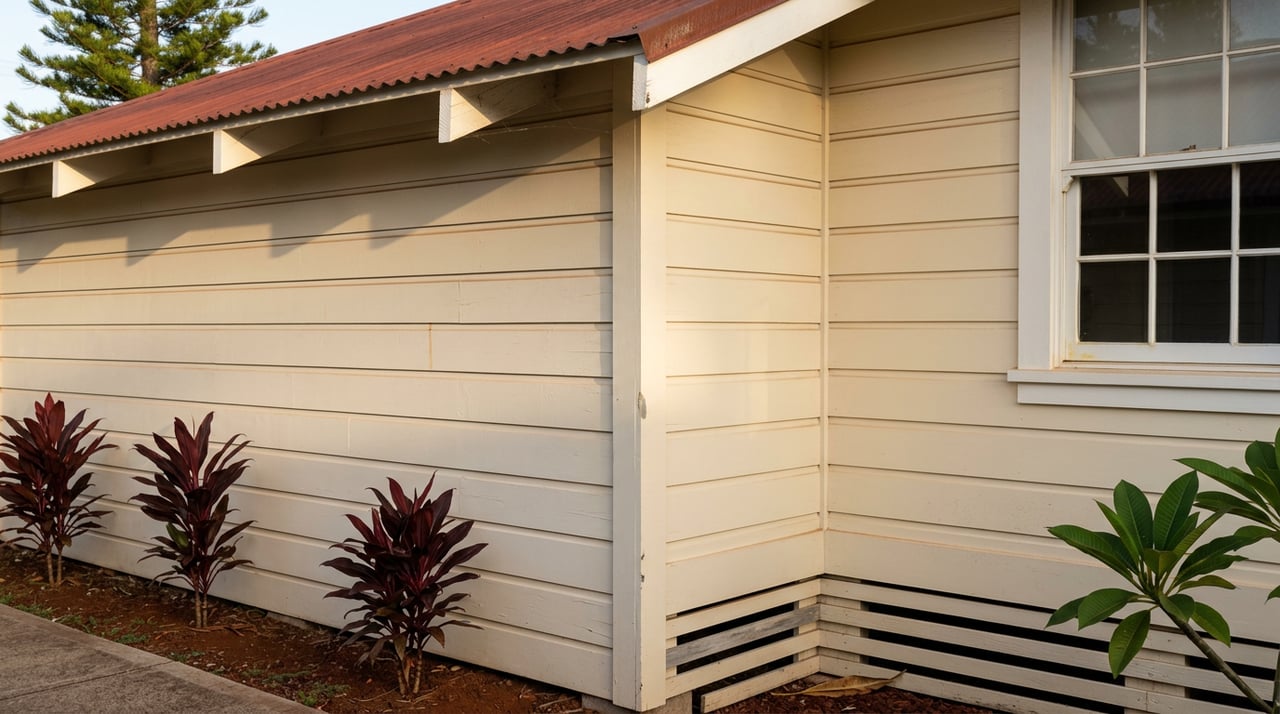
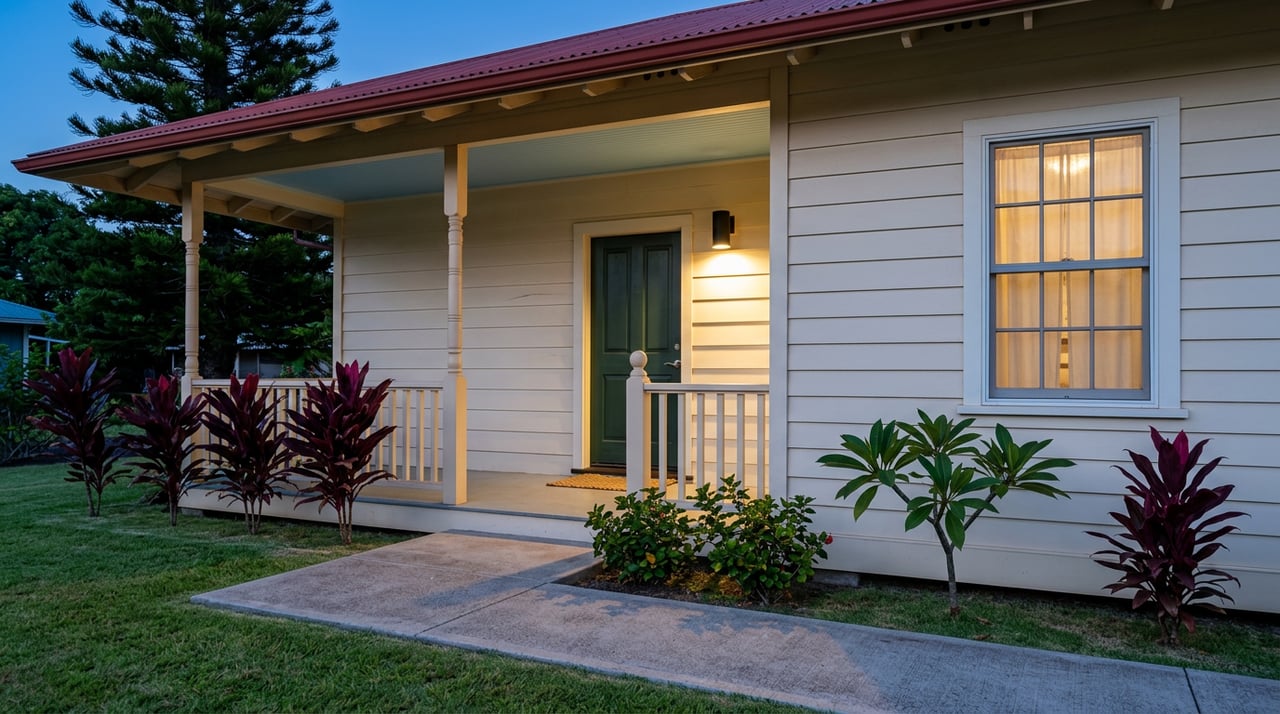
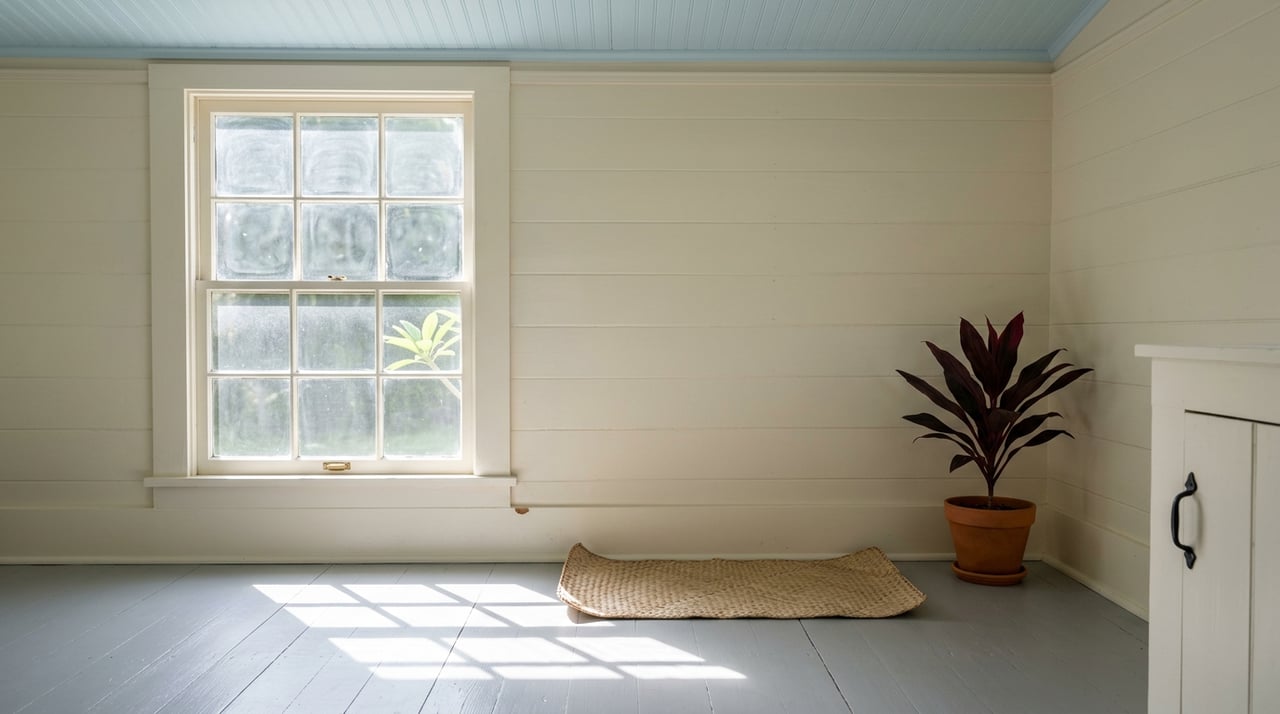
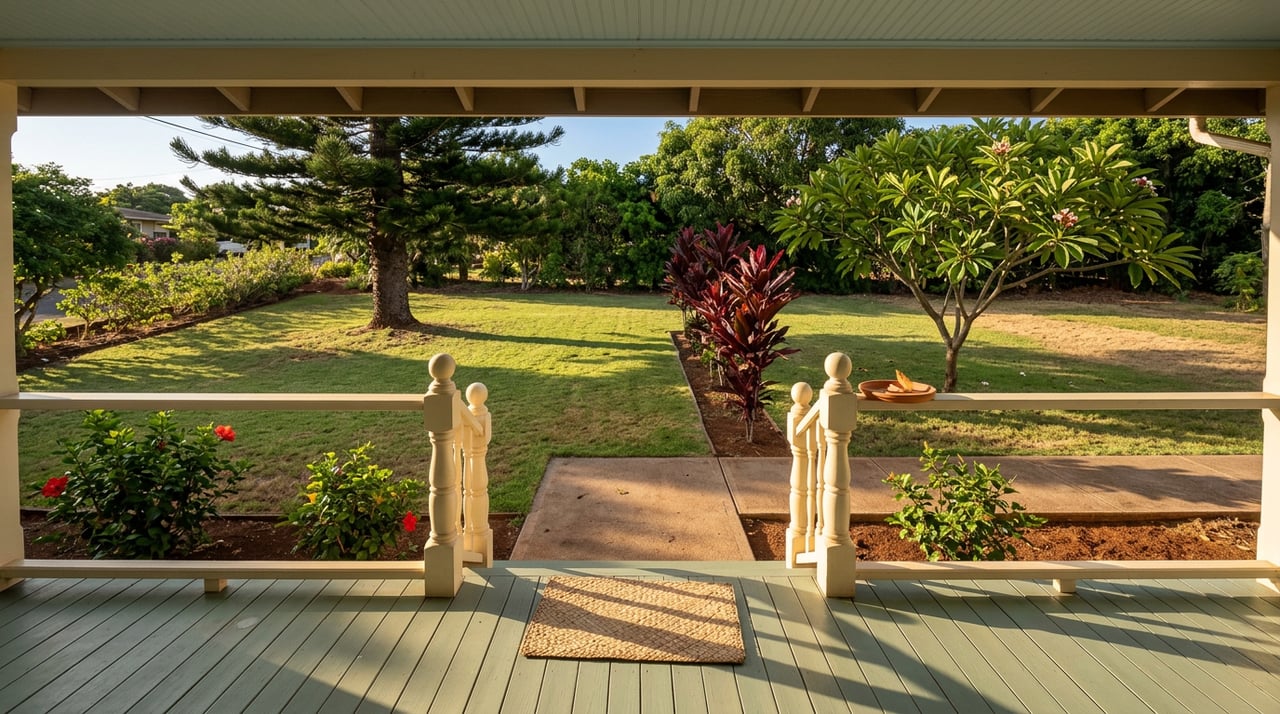
The housing stock in Lānaʻi City is also more conventional for year-round living. The Historic Hawaiʻi Foundation describes plantation-era homes as single-story wooden houses on posts with crawl spaces, corrugated hipped roofs, exposed rafter tails, and multi-light windows.
That same preservation effort has included rehabilitation of existing homes, rebuilding non-repairable homes as exact exterior replicas, and adding compatible infill. For buyers who want a home in an established town setting, this creates a different ownership experience from resort-area condo living.
The best choice often comes down to how you want your property to function in real life. Are you planning to live on Lānaʻi full time, spend part of the year here, or look for a lower-maintenance second home?
Here is a simple way to think about it:
| Area | Best fit for | Main setting | Housing pattern |
|---|---|---|---|
| Kōʻele | Buyers who want quiet and an upland retreat feel | Cooler uplands, gardens, wellness-oriented setting | Mostly resort uses with limited condo-style ownership |
| Mānele | Buyers who want beach access and coastal amenities | South coast, harbor, beach, ocean views | Resort-dominant with condo-style ownership options |
| Lānaʻi City | Buyers who want daily convenience and town living | Historic town center on the central plateau | More conventional year-round housing |
If your top priority is a primary residence, Lānaʻi City is usually the strongest fit. That conclusion is supported by the concentration of school, library, health, and civic services in town, along with its more traditional residential housing stock.
For many buyers, especially those planning to spend most of the year on island, that practical foundation matters more than resort amenities. You may still enjoy easy access to other parts of Lānaʻi while keeping your home base in the most service-oriented area.
If you want a quieter, wellness-oriented environment, Kōʻele often rises to the top. Its upland location, greener feel, and more secluded atmosphere appeal to buyers looking for calm and separation.
This can be especially appealing if you want your time on Lānaʻi to feel restorative and removed from the coastline’s activity. The tradeoff is that the area is less centered on everyday services and more closely tied to a resort-style setting.
If your priority is oceanfront recreation, Mānele is the most obvious match. Its relationship to Hulopoʻe Bay, the harbor, and coastal amenities gives it a distinct appeal for buyers who want the beach-first side of Lānaʻi.
That said, Mānele is better understood as a resort-dominant environment than a full-service town neighborhood. For some buyers that is exactly the point, while for others it can shape whether the area works best as a second home rather than a primary residence.
On a small island, choosing the right area is not only about views or square footage. It is also about understanding logistics, property type, and how each part of Lānaʻi functions day to day.
That is where local perspective can make your search easier. Whether you are comparing a plantation-era home in town, a condo ownership opportunity in Kōʻele, or a property in Mānele, a grounded understanding of the island helps you make a decision that fits how you actually plan to live.
If you are weighing your options between Kōʻele, Mānele, and Lānaʻi City, talk with a team that knows the island block by block. Okamoto Realty LLC offers hands-on buyer and seller guidance rooted in long local experience, practical knowledge, and a community-first approach.
Stay up to date on the latest real estate trends.
We bring together a mix of integrity, imagination and an inexhaustible work ethic, striving to make each buying and selling experience the best possible.