What Living at Koele Resort on Lānaʻi Is Really Like
April 2, 2026
April 2, 2026
If you picture Lānaʻi as all ocean views and beach clubs, Koele may surprise you. This upland part of the island offers a very different rhythm, with cooler air, pine-covered surroundings, and a quieter resort setting that feels more tucked away than the coast. If you are exploring what life around Koele is really like, this guide will help you understand the setting, the daily routine, and how it fits into the bigger picture of living on Lānaʻi. Let’s dive in.
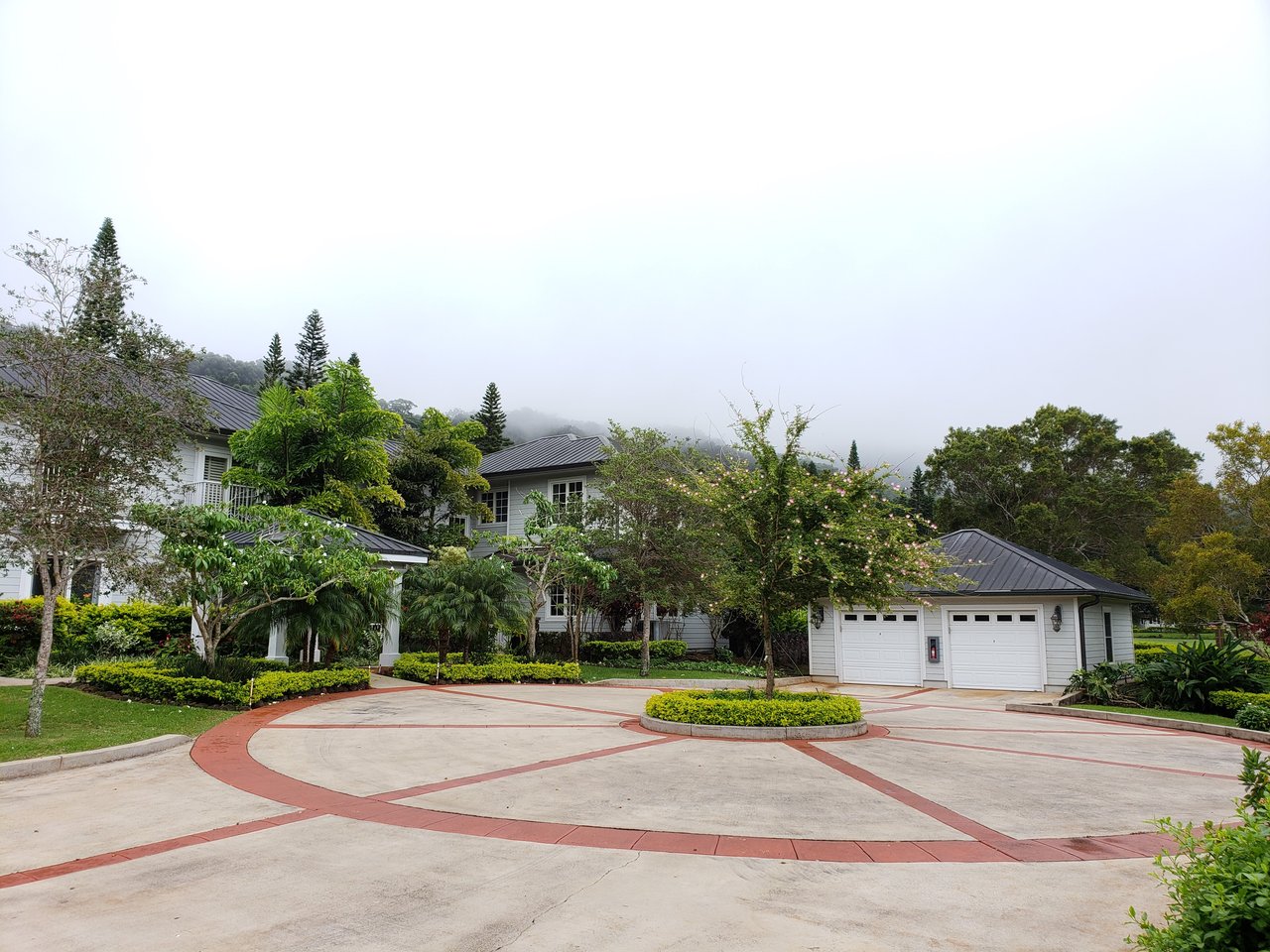
Koele is not the beachside version of island living many people first imagine. The area is tied to the former Lodge at Koele, now Sensei Lānaʻi, A Four Seasons Resort, an adults-only wellness retreat on One Keomoku Highway in Lānaʻi City’s upland area. According to Four Seasons resort facts, the property opened in 1991, came under Four Seasons management in 2005, and was transformed into a wellness retreat in 2019.
That history matters because it shapes what you experience there today. Instead of a busy coastal resort atmosphere, Koele leans quiet, green, and low-rise. It is best understood as an upland resort enclave with a distinct identity of its own.
One of the biggest differences at Koele is the climate. Go Hawaii notes that Lānaʻi City sits in the central highlands at about 1,700 feet, which makes it noticeably cooler than coastal areas. The same source says the island is generally pleasant and dry, with temperatures typically between 70°F and 85°F and about 37 inches of rain each year.
Maui County materials also explain that Lānaʻi sits in the wind and rain shadow of West Maui and East Molokaʻi, while Lānaʻi City is partly sheltered from the trade winds. In practical terms, that means your day in the Koele area may feel more like an upcountry retreat than a sunny shoreline scene. You may notice cooler mornings, greener surroundings, and a softer, more sheltered feel.
Even the name Koele reflects that setting. Four Seasons explains that Koele is associated with moisture-laden clouds descending from the mountain gulches. That fits the area’s garden-forward, more secluded character.
If you are trying to picture the physical setting, think low-rise and spread out rather than vertical and dense. Four Seasons press information lists 96 total rooms across two stories. The accommodations are hotel-style room and suite types, not ownership-style tower units.
That detail is helpful for anyone comparing Koele to other resort areas in Hawaiʻi. The built environment is more intimate and less crowded than a typical condo-heavy destination. The overall feeling is calmer and more residential in scale, even within a hospitality setting.
Daily life around the resort revolves around wellness more than nightlife. The resort’s official site highlights wellness consultations, spa treatments in private hales, fitness and well-being classes, lectures, and island activities. It also lists offerings such as garden walks, ranch walks, forest bathing, art walks, cultural classes, movement studios, a yoga pavilion, outdoor yoga space, and a 24-hour gym.
That does not mean every day has to be structured. It does mean the area’s tone is intentional, quiet, and experience-driven. If you are drawn to calm routines, open space, and slower mornings, Koele stands apart from busier resort environments.
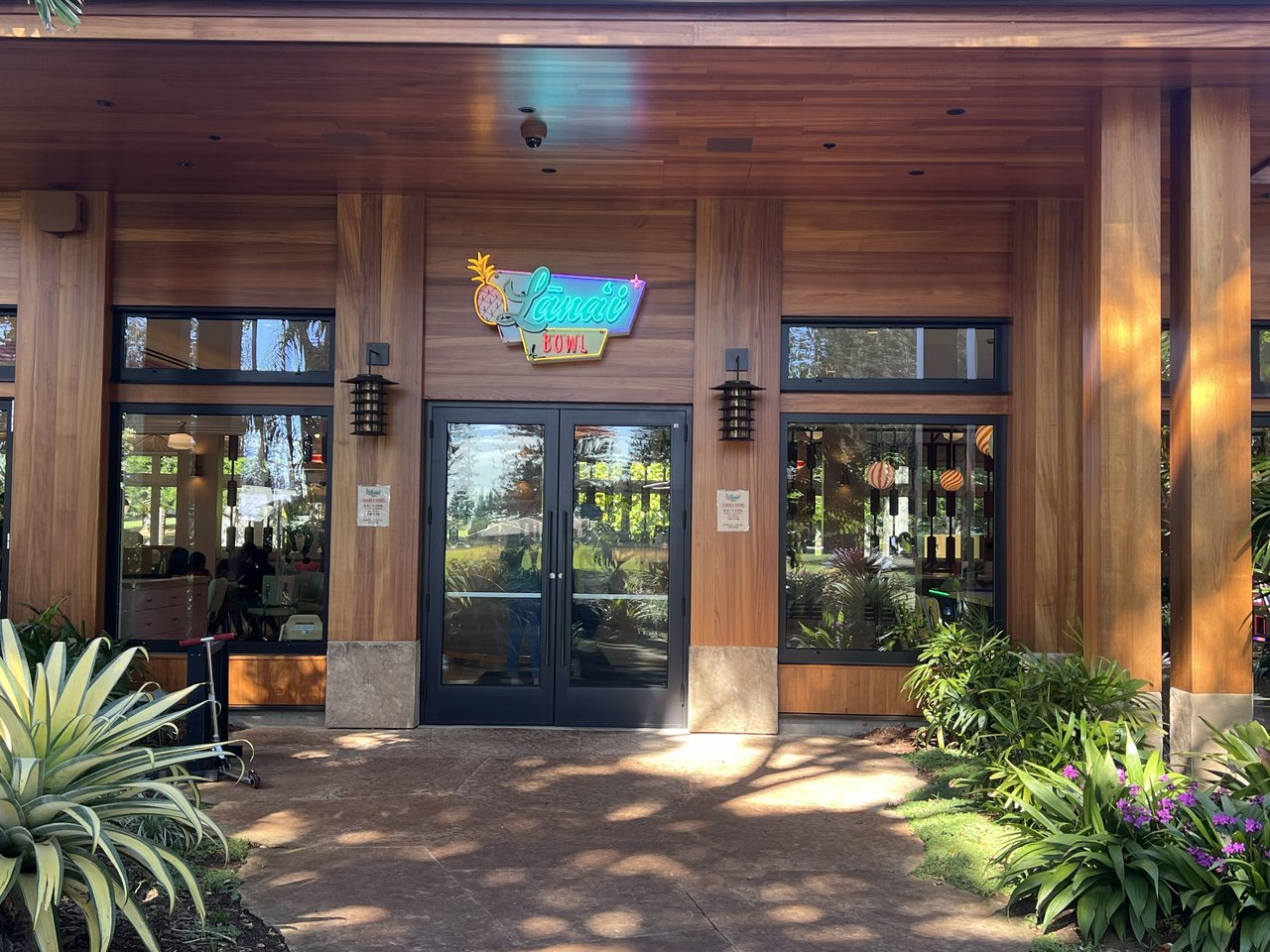
Koele’s dining options also support that slower rhythm. The Sensei dining page features Sensei by Nobu, set in a glass pavilion over a reflecting pond, along with the Koele Garden Bar just off the lobby with garden views. Poolside dining and 24-hour in-room dining are also available.
What you do not see is a large entertainment district or a nightlife corridor. Dining here is part of the retreat atmosphere, not a separate scene. For many buyers and long-term owners, that is part of the appeal.
For day-to-day convenience, the accommodations page lists a complimentary shuttle among the featured amenities. That helps make movement around the resort easier without adding a lot of friction to your day. In a place designed around ease and quiet, small details like that matter.
This is one reason Koele can feel self-contained. You can move between lodging, dining, wellness spaces, and resort grounds without the feel of a large, fast-paced property.
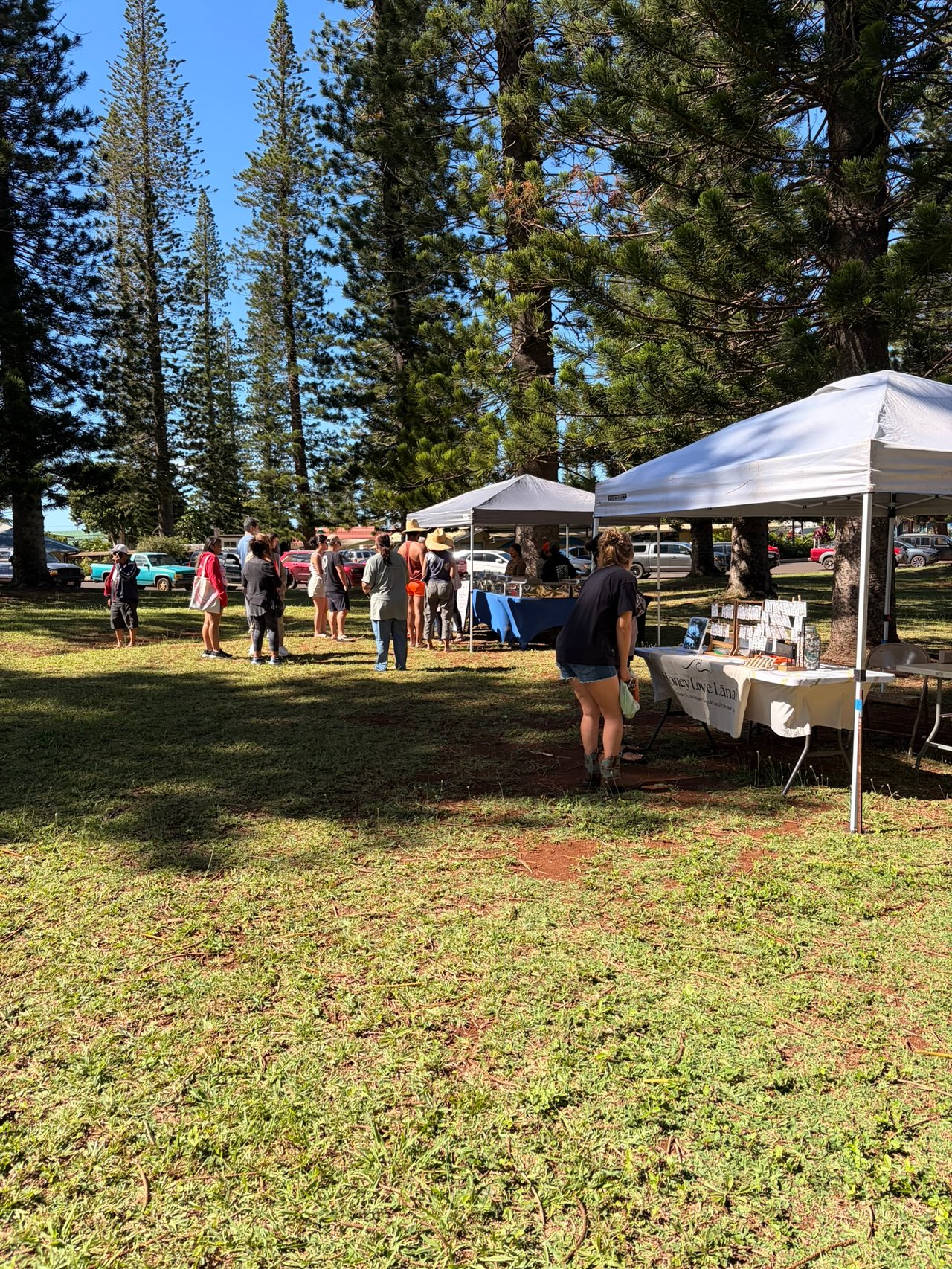
Koele may feel tucked away, but it is closely tied to nearby Lānaʻi City. Go Hawaii describes Lānaʻi City as the island’s central town and notes that it is about 3 miles from the airport. The same source points to shops, restaurants, businesses, Dole Park, the Lānaʻi Art Center, the Culture & Heritage Center, coffee shops, and local eateries.
That means life in the Koele area is not only about resort amenities. Everyday routines still connect back to town. You might spend part of your day in the cooler uplands, then head into Lānaʻi City for errands, coffee, lunch, or a simple walk near Dole Park.
Maui County’s design guidelines for Lānaʻi City describe a town with plantation-era visual qualities, a grid plan, primarily one-story buildings, and a rural, pedestrian-scale character. The document also lists common uses such as specialty shops, grocery stores, restaurants, galleries, offices, banks, and a theater.
That context is important if you are considering a move or long-term ownership on Lānaʻi. Koele offers the upland retreat atmosphere, while Lānaʻi City provides much of the island’s everyday practical routine. Together, they create a lifestyle that is quieter and more local than many resort markets.
From a real estate standpoint, Koele is worth understanding clearly. Maui County’s Koele ordinance describes the district as a low-density, primarily residential and recreational development with hotel facilities in an upland rural setting. It says the district is intended to support Lānaʻi City and includes uses such as single-family residential, multifamily residential, hotel, open space, park, and public uses.
This helps explain why Koele should not be viewed as only a hotel property or as a conventional neighborhood. It is a mixed resort and residential planning area. If you are looking at ownership opportunities on Lānaʻi, that distinction matters.
It is also helpful to separate resort character from the island’s broader housing picture. Current accommodations at Koele are hotel-style rooms and suites, while long-term housing activity is more visible in and around Lānaʻi City. Maui County’s FY 2026 Affordable Housing Fund plan included Kaiaulu O Lānaʻi in Lānaʻi City, a new construction project for 68 rental units for families and seniors earning 30% to 60% of area median income.
In the same county update, the 2026 State of the County address said the Hōkūao Project completed 76 affordable homes on Lānaʻi in 2024, and that Kaiaulu O Lānaʻi Phase I is expected to deliver 72 affordable homes, including rental and rent-to-own housing. Those updates show that long-term residential life on Lānaʻi is an active, evolving topic centered more in town than within the resort itself.
So what does upcountry living at Koele really mean for you? It means cooler temperatures, a more secluded setting, and a daily pace shaped by wellness, open space, and low-rise design. It also means staying connected to the practical rhythm of Lānaʻi City, where much of the island’s daily commerce and community life is centered.
If you are considering buying or selling property on Lānaʻi, it helps to work with someone who understands those distinctions clearly. The island is small, but each area has its own setting, land-use context, and lifestyle pattern. For practical guidance rooted in local knowledge, connect with Okamoto Realty LLC, and talk through what Koele, Lānaʻi City, or other island neighborhoods may mean for your goals.
Stay up to date on the latest real estate trends.
We bring together a mix of integrity, imagination and an inexhaustible work ethic, striving to make each buying and selling experience the best possible.