If you have ever walked through Lānaʻi City and felt like the homes tell a story, you are not imagining it. The town’s housing has a distinct look because it grew as a planned company town, and much of that original character still shapes what buyers see today. If you are trying to understand what kinds of homes exist here, what makes them different, and which style may fit your goals, this guide will help you read the market with more confidence. Let’s dive in.
Why Lānaʻi City Looks Different
Lānaʻi City was conceived as a planned company town in 1923, and county planning documents describe it as the last intact plantation town in Hawaiʻi. Most plantation-era structures were built between 1927 and 1938, and more than 600 residences were constructed for plantation workers.
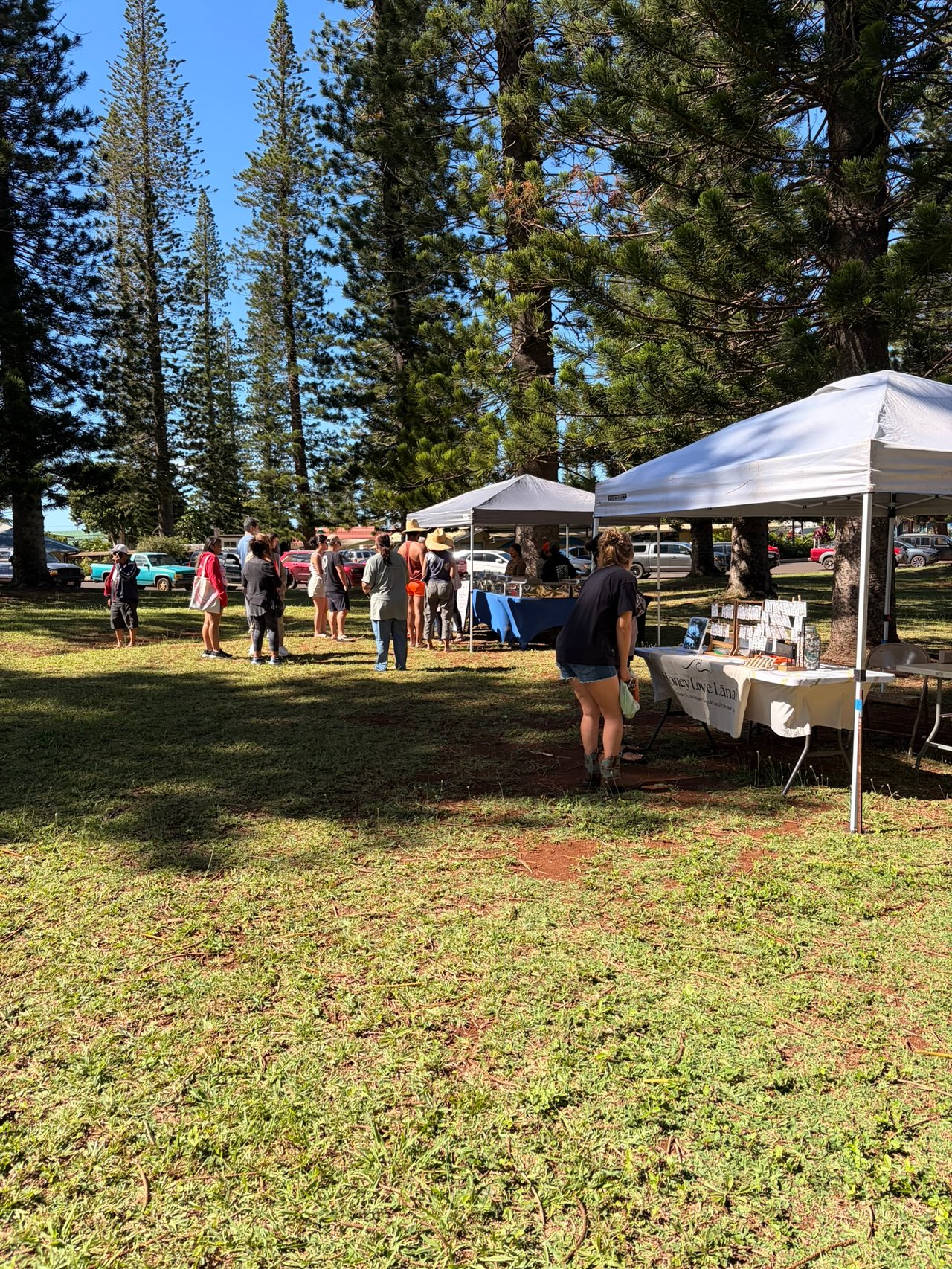
That history still shows up in the town today. Around Dole Park, you can see a compact grid, low-rise buildings, and mature Cook pines that give the area a consistent, small-scale feel. Instead of a suburban pattern with wide variation from block to block, Lānaʻi City feels more tied to its original layout and building traditions.
At the same time, not every older home survived unchanged. County materials note that some original structures were demolished or fell into serious disrepair, including termite-related deterioration. That is why today’s inventory includes a mix of original cottages, altered older homes, and newer replacement construction.
Plantation-Era Homes Still Define the Market
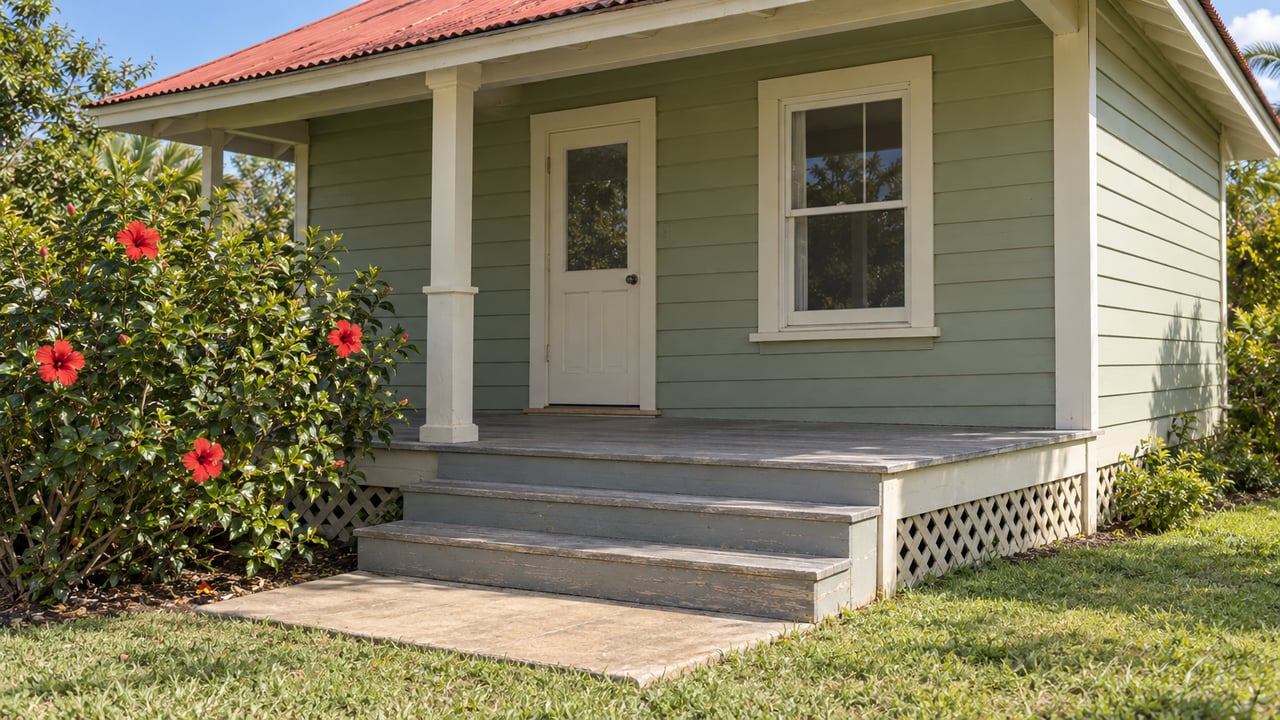
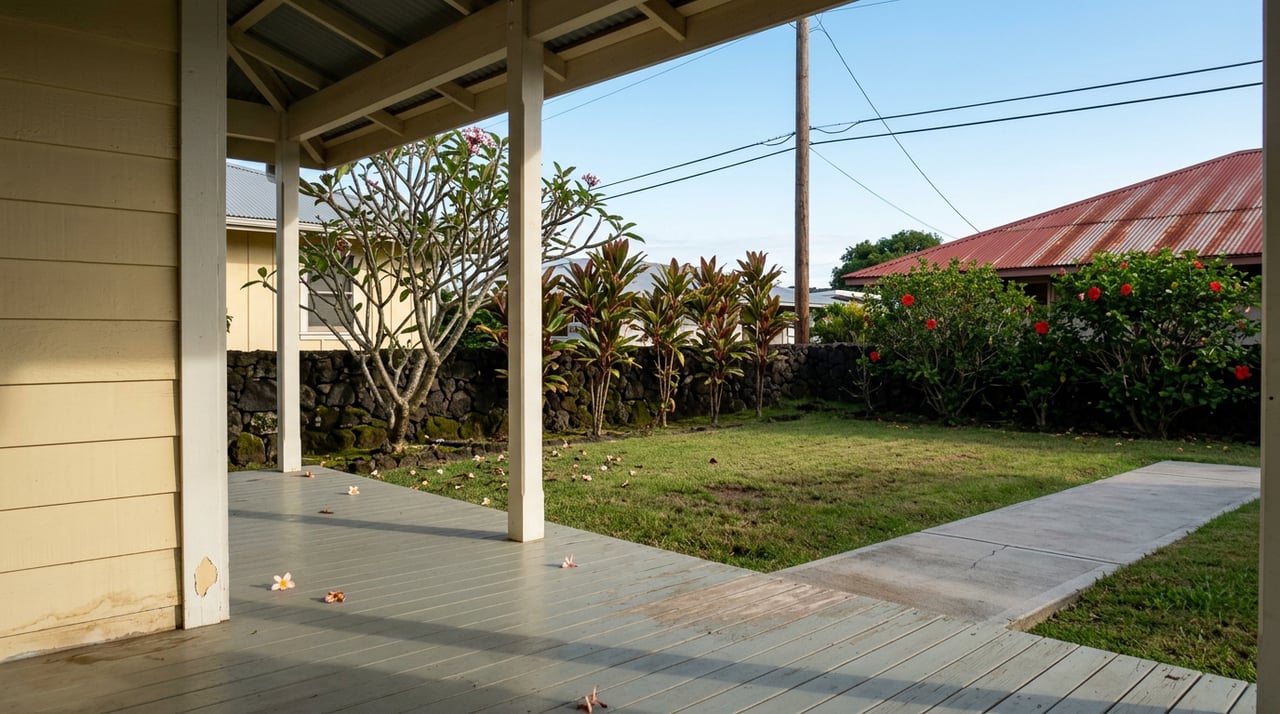
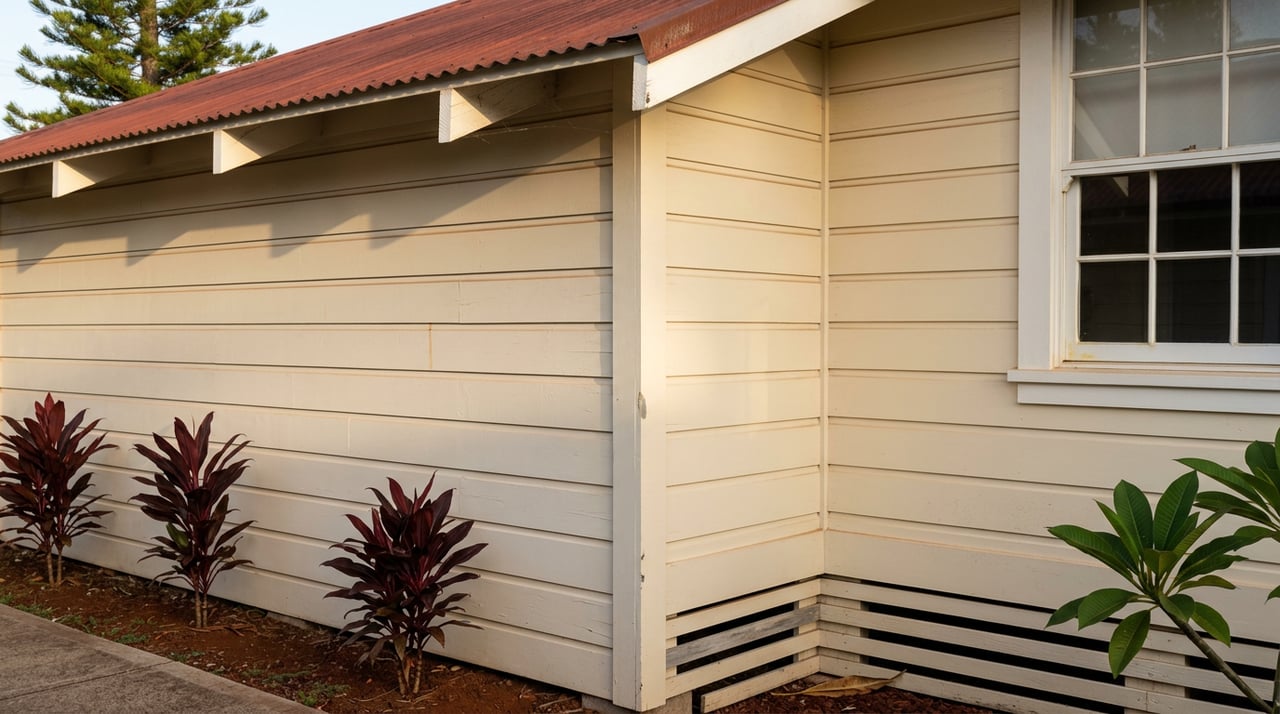
The home style most buyers will notice first is plantation vernacular. These homes are usually wood-built with single-wall construction, simple gabled or hipped roofs, corrugated metal roofing, and covered front porches or lanai entries.
Exterior materials often include board-and-batten or tongue-and-groove siding. Many homes came from only a few basic plans, but over time owners added personal touches through paint, landscaping, gardens, and additions. That means two homes with similar roots can feel quite different in person.
For many buyers, this is the appeal. Plantation-era cottages often offer character, a porch-oriented layout, and a strong connection to outdoor space. The tradeoff is that the rooms, storage, and finishes may feel more modest than what you would expect in a newer suburban-style home.
What to Expect Inside Older Cottages
Older cottages often prioritize simplicity over size. You may find a compact footprint, straightforward room layouts, and a home that feels more practical than expansive.
That does not mean these homes lack comfort. In many cases, the charm comes from the scale, the natural light, the front porch, and the way the house sits on the lot. If you value history and a lived-in sense of place, this style can feel very rewarding.
Why Some Plantation Homes Feel Larger
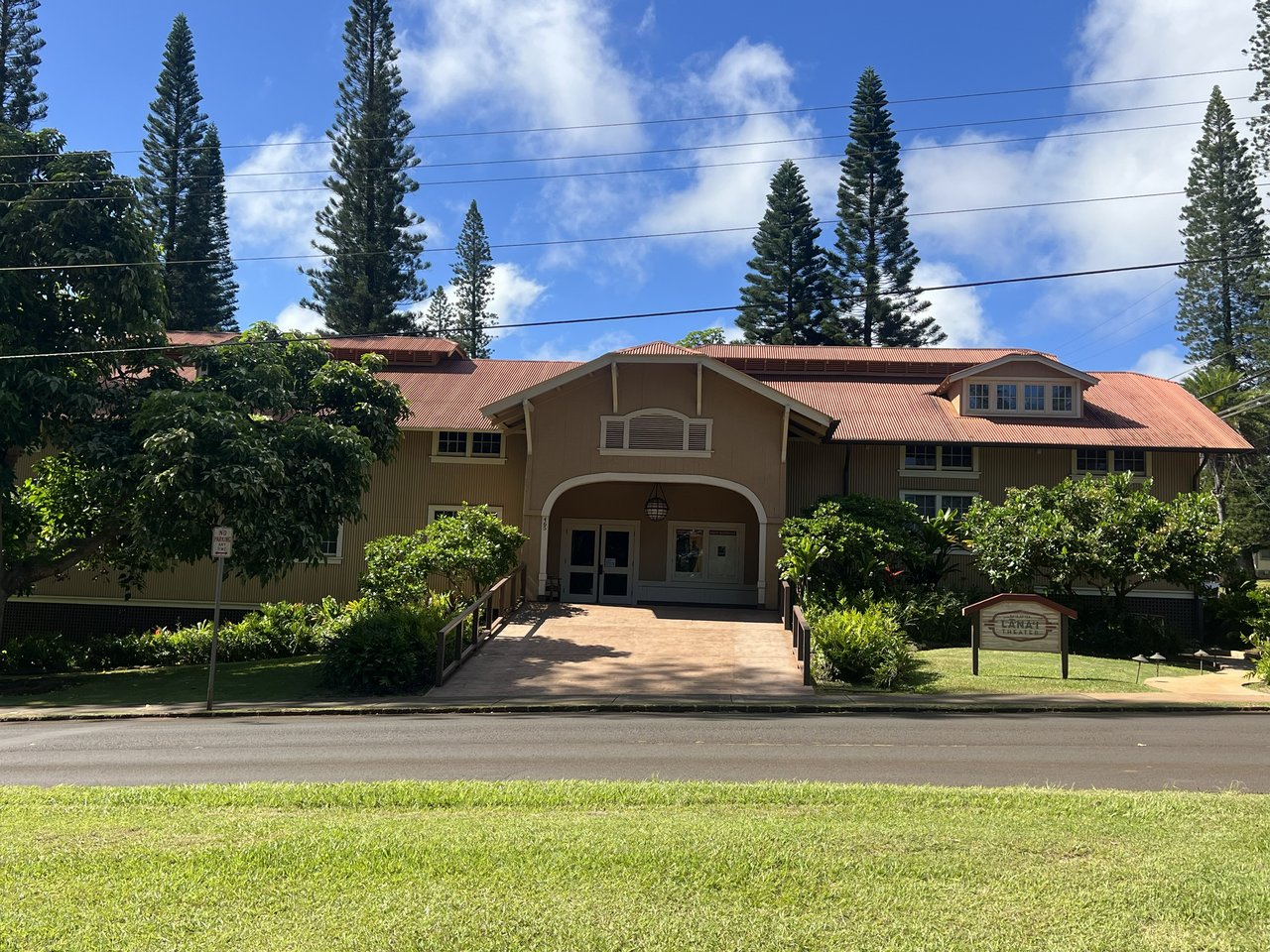
Not all older homes in Lānaʻi City are small worker cottages. County guidance notes that some larger plantation-era residences have more complex plans and more decorative detailing.
In real terms, that can mean more square footage, larger additions, or a stronger street presence. These homes still fit within the broader plantation-era character of the town, but they may offer a bit more flexibility for buyers who want historic style with more living space.
Newer Homes Usually Blend In
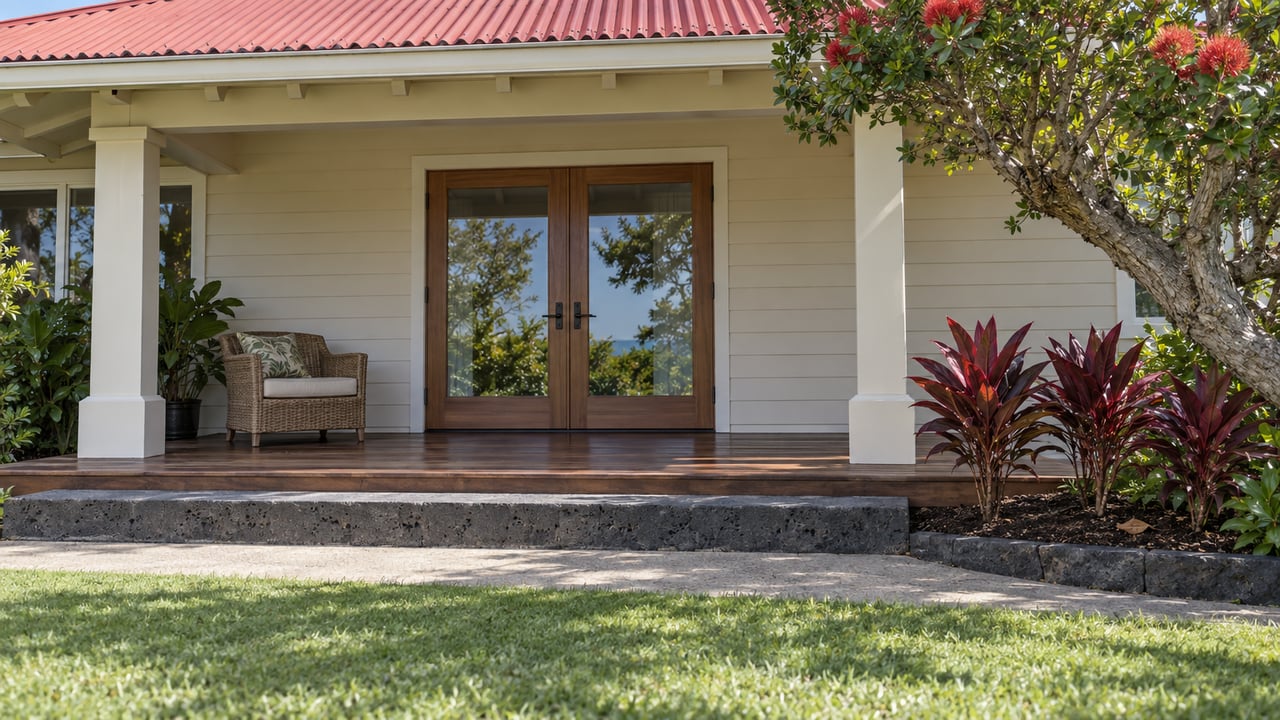
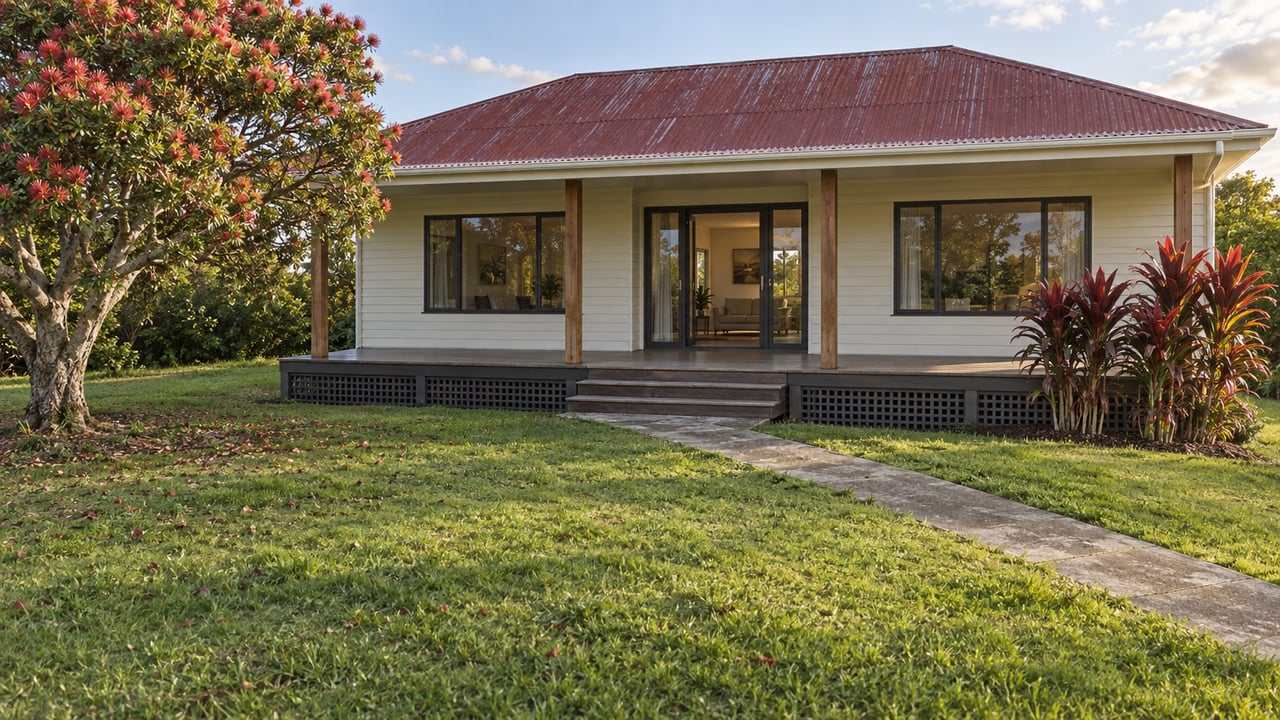
One of the more interesting things about Lānaʻi City is that newer homes are generally designed to work with the town’s character, not compete with it. County design guidance says new residential development should be similar in height, shape, size, roof form, lanais, carports, openings, and setbacks, while still remaining distinguishable from historic buildings.
So if you are looking at newer construction, you may still see familiar design cues. A newer home may have more current systems and a lower near-term renovation burden, but it will often still sit comfortably within the plantation-compatible visual language of the town.
Recent county examples show that housing is still being added on Lānaʻi. County planning materials described the Hōkūao project as 150 single-family homes on 8,000-square-foot lots reflecting Lānaʻi City’s design standards, and the Mayor’s 2026 State of the County Address said Hōkūao completed 76 affordable homes on Lānaʻi in 2024 while Kaiaulu O Lānaʻi Phase I is expected to deliver 72 more homes, including rental and rent-to-own units.
Exterior Clues That Help You Read a Home
When you tour homes in Lānaʻi City, a few details can tell you a lot about the style and likely era of the property. The most useful visual clues include wood siding, especially vertical boards, board-and-batten finishes, or tongue-and-groove materials.
You will also want to notice the roofline. Gable and hip roofs, corrugated or standing-seam metal roofing, deep eaves, and wide overhangs all fit the traditional look described in county design guidance. Covered porches and lanais are another strong clue, both visually and functionally.
Windows can help too. Small-paned or multi-pane windows often match the historic texture of the town, and newer work may use wood or wood-like substitutes to stay compatible with the older streetscape.
Because Lānaʻi City sits on gentle slopes, some homes have raised entries or slightly elevated main floors. Setbacks also tend to leave homes visually open rather than packed tightly together, so even a smaller house can feel comfortable on its lot.
Renovation Matters as Much as Style
In Lānaʻi City, choosing a home style is only part of the decision. Condition, maintenance history, and renovation quality often matter just as much as the original design.
That is especially true with plantation-era homes. The county’s guidance favors preservation over wholesale replacement, which means original materials should be kept where possible, repairs are preferred when feasible, and replacement materials should match or remain compatible with the original character.
Additions are also expected to stay subordinate to the historic structure, usually at the side or rear. New work should fit the setting without becoming overly ornate or trying to create a fake historic replica.
Why Design Review Can Affect Your Plans
Renovation in Lānaʻi City is not just a private design choice. The County’s Historic & Country Town process directs applicants to the Country Town Business District design-review process, and the Planning Department reviews development proposals, zoning changes, community plan amendments, special management area matters, project districts, and historic-district permits.
If a property is a historic property, Chapter 6E also applies. For buyers, that means it is smart to understand early whether your plans may involve review, approvals, or design constraints. This is especially important if you are thinking about major exterior changes rather than simple maintenance.
Termites and Upkeep Are Part of the Conversation
On Lānaʻi, age alone does not tell you how much work a home may need. Practical upkeep issues can have a huge impact on value, budget, and day-to-day ownership.
Termites are one of the biggest examples. University of Hawaiʻi CTAHR says the Formosan subterranean termite is the single most damaging insect pest to homes in the state, and prevention includes keeping wood off the ground, reducing termite-friendly conditions around the house, and using resistant construction or physical barriers where appropriate.
For older plantation homes especially, rooflines, moisture control, siding condition, and termite history should be part of your pre-offer due diligence. A home with great character can still be a strong fit, but you want a clear picture of ongoing maintenance needs before moving forward.
Which Home Style Fits You Best?
The right fit often comes down to how you balance character, condition, and upkeep. In Lānaʻi City, buyers are often choosing not just between older and newer homes, but between different maintenance timelines and living experiences.
Here is a simple way to think about it:
- Original plantation cottages often suit buyers who value history, charm, and a porch-centered lifestyle and who are prepared for ongoing upkeep.
- Renovated plantation homes can offer a middle ground with preserved character and improved livability.
- Newer compatible homes usually make sense for buyers who want more current systems, easier upkeep, and a more turnkey experience.
In many cases, the biggest budget variable is condition and repair scope, not age by itself. Two homes from a similar era can have very different ownership costs depending on maintenance, materials, and past improvements.
Why Local Guidance Helps in Lānaʻi City
A small market with a distinct housing stock takes local context. In Lānaʻi City, details like design compatibility, renovation limits, termite history, and vendor coordination can matter just as much as square footage.
That is why many buyers benefit from working with a team that knows how these homes have evolved over time. Whether you are comparing an original cottage, a renovated plantation home, or newer construction, local insight can help you focus on the issues that really affect fit, upkeep, and long-term value.
If you want help understanding which home style makes sense for your goals on Lānaʻi, talk with a local team that knows the island’s housing stock and the practical details behind it. Reach out to Okamoto Realty LLC for grounded, hands-on guidance.
FAQs
What are the most common home styles in Lānaʻi City?
- The most common homes are plantation-era cottages and worker homes, along with some larger plantation-era residences, altered older homes, and newer construction designed to stay compatible with the town’s historic character.
What do plantation-style homes in Lānaʻi City usually look like?
- They often feature wood siding, single-wall construction, simple gable or hip roofs, corrugated metal roofing, covered porches or lanais, and modest, practical layouts.
Are there newer homes available in Lānaʻi City?
- Yes. Newer housing has been added on Lānaʻi, and county guidance says new homes in Lānaʻi City should be similar in scale, roof form, setbacks, and materials while still being distinguishable from historic buildings.
What should buyers look for when touring older homes in Lānaʻi City?
- Pay close attention to siding condition, rooflines, moisture control, termite history, layout changes, and whether renovations appear compatible with the home’s original character.
Do renovations in Lānaʻi City require special review?
- Some projects may. The County directs applicants to the Country Town Business District design-review process, and historic properties may also be subject to Chapter 6E requirements.
Which Lānaʻi City home style is best for lower maintenance?
- Newer compatible construction is usually the best fit for buyers who want more current systems, fewer immediate repair needs, and a more turnkey ownership experience.