Wondering if The Resort at Koele feels like beachside Lānaʻi? It really does not. If you are thinking about buying, selling, or simply getting to know this part of the island, understanding Koele’s weather can help you picture daily life more clearly. You will get a practical look at temperatures, rainfall, seasonal patterns, and how Koele compares with the coast. Let’s dive in.
Koele Has a Cooler Upcountry Feel
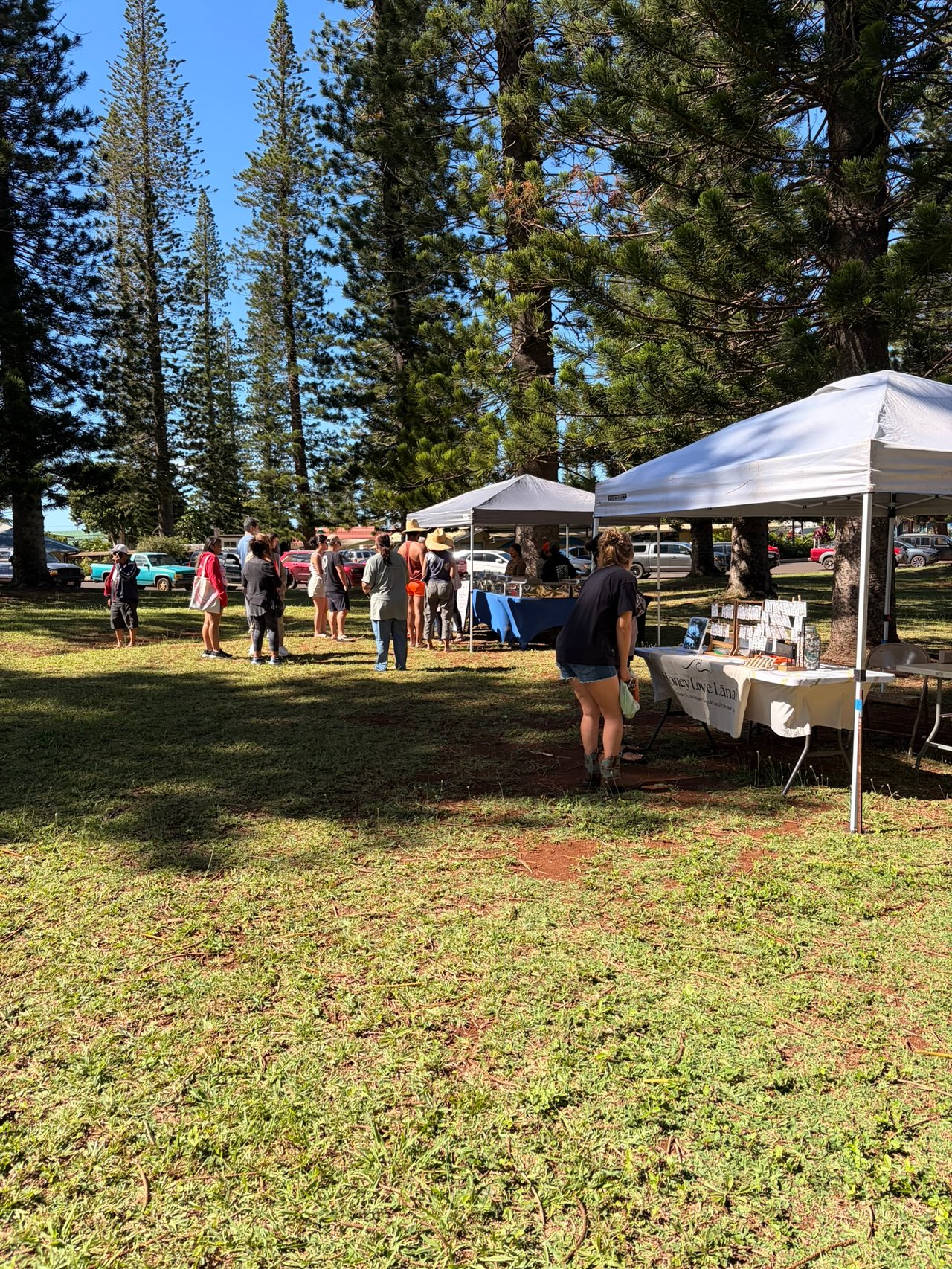
The Resort at Koele sits in Lānaʻi’s upland resort area, near Lānaʻi City, rather than along the shoreline. Four Seasons describes Koele as the island’s lush, green upcountry, which matches how many people experience it day to day.
That setting matters because elevation changes the weather. Lānaʻi City sits at nearly 1,700 feet, and the nearby NOAA climate station at Lānaʻi Airport is about 1,299 feet above sea level, so Koele often feels noticeably cooler than the coast.
A helpful statewide rule of thumb is that temperatures in Hawaiʻi generally drop about 3.5°F for every 1,000 feet of elevation gain. In plain terms, Koele usually feels milder and less beach-hot than Manele Bay.
Two Main Seasons on Lānaʻi
Like the rest of Hawaiʻi, Lānaʻi is usually described as having two seasons. Summer, or kau, runs from May through October, while winter, or hoʻoilo, runs from November through April.
Even so, seasonal temperature swings are fairly modest. A UH Mānoa climate portfolio for Lānaʻi shows an average annual temperature of 71.1°F, with the coolest month around 67.6°F in January and the warmest around 74.7°F in August.
That small range is one reason Koele appeals to people who want steadier weather through the year. You are not dealing with harsh seasonal extremes, but you should expect shifts in rainfall, cloud cover, and breeze.
Winter at Koele Brings More Rain
If you spend time at Koele in winter, the biggest seasonal difference you will likely notice is moisture. The wettest months on Lānaʻi are typically November through March, and January is identified as the wettest month in the UH Mānoa study at 3.4 inches.
The same research shows average wet-season rainfall around 2.6 inches per month, compared with about 1 inch per month in the dry season. That does not mean every winter day is rainy, but it does mean cloudier and wetter periods are more common.
Because weather on Lānaʻi is localized, conditions can vary from one part of the island to another. It may be raining inland while coastal areas stay sunny, which is a useful reminder that Koele has its own microclimate.
Summer at Koele Stays Mild
Summer on Lānaʻi runs from May to October, but Koele usually does not read as intensely tropical in the way many beach resorts do. August is the warmest month in the UH Mānoa data, but the average is still just 74.7°F.
The dry season is also noticeably drier. August is listed as the driest month at 0.6 inch of rainfall, which helps explain why summer can feel bright, open, and comfortable in upcountry areas.
Trade winds usually provide a cooling breeze across the island. For many homeowners and second-home owners, that means Koele can support outdoor routines through much of the year without the heavier heat you may expect near the shoreline.
Koele Versus Manele Bay Weather
For buyers comparing Lānaʻi resort areas, this is one of the most useful weather differences to understand. According to Go Hawaii, Mānele Bay and Hulopoʻe Bay are usually about 10°F to 12°F warmer than Lānaʻi City.
That gap gives you a practical way to picture Koele. The coast tends to feel warmer and more beach-oriented, while Koele feels cooler, greener, and more inland.
Neither setting is better for everyone. It simply depends on how you want to live on Lānaʻi and what kind of climate feels comfortable to you on a daily basis.
What Daily Life Feels Like at Koele
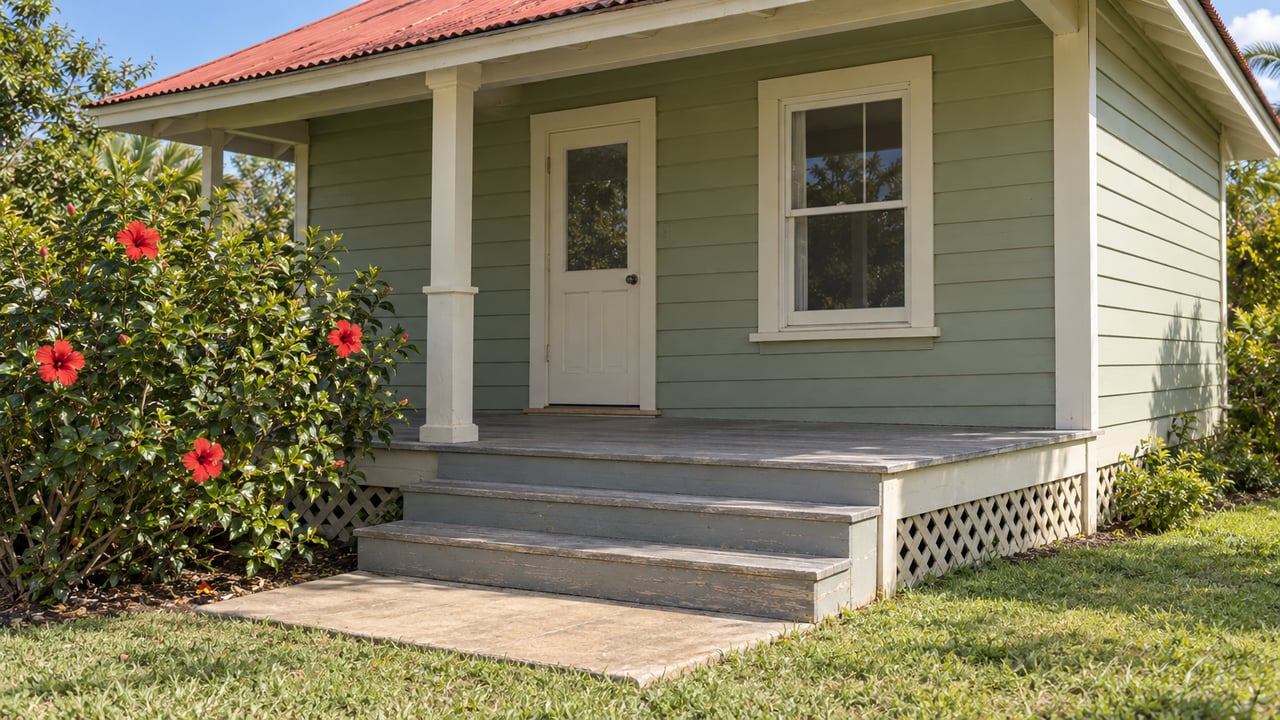
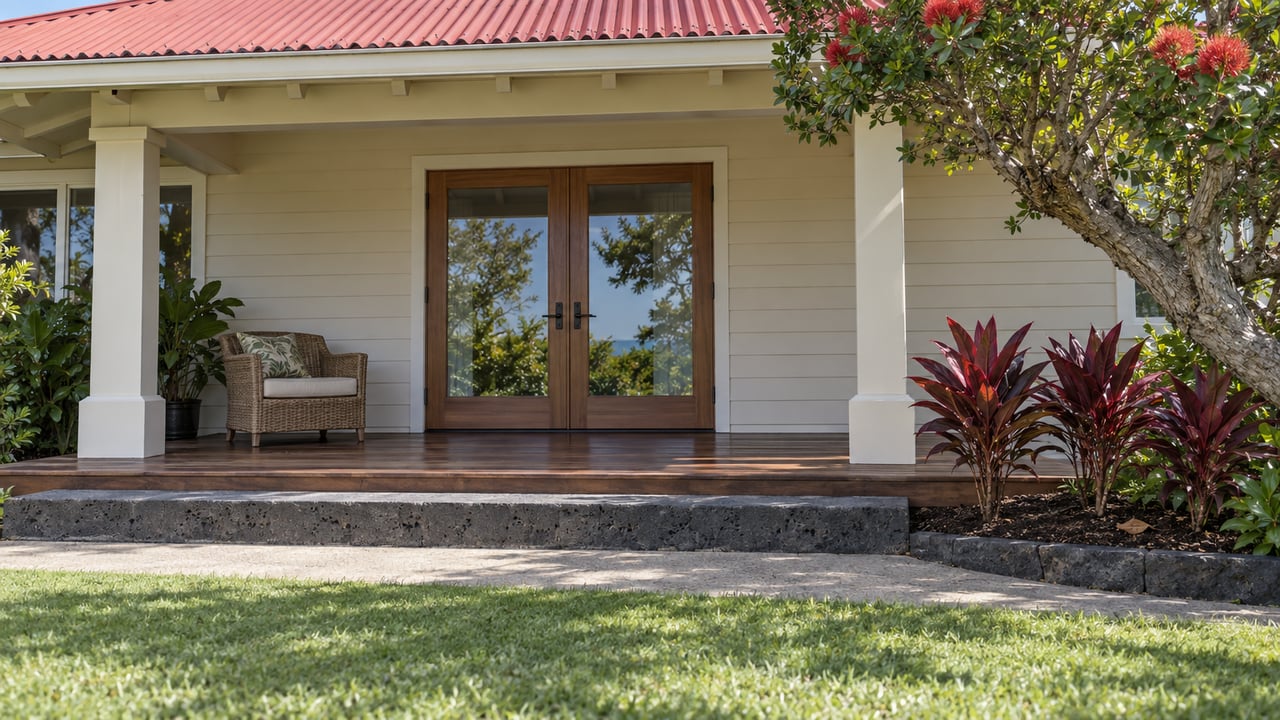
Koele’s weather often supports a different rhythm than the coast. Cooler mornings, milder afternoons, and more frequent cloud cover can make simple routines like coffee on the lanai, reading outside, or taking a walk feel comfortable even when lower-elevation areas are warmer.
At the same time, Koele is still part of a tropical island environment. You should expect humidity, passing clouds, and weather that can shift with elevation and wind rather than a dry mountain climate.
Nighttime temperatures in Hawaiʻi are typically about 10°F cooler than daytime conditions. In practical terms, a light jacket or extra layer can make sense at Koele, especially in the morning, after sunset, or during breezier winter periods.
Sun Protection Still Matters
Cooler does not mean low sun exposure. Go Hawaii notes that higher elevations have less protection from UV rays, so you still need to think about sunscreen, hats, and shade even on days that feel mild.
This catches some visitors by surprise because comfortable air temperatures can make the sun feel less intense than it is. If you are viewing homes, spending time outdoors, or settling into a regular routine at Koele, sun protection should still be part of the plan.
Rainfall Numbers Can Vary by Source
If you research Lānaʻi weather online, you may notice different annual rainfall totals. Go Hawaii cites about 37 inches per year, while the UH Mānoa portfolio gives an island average of about 22 inches.
That difference likely reflects varying methods and spatial averages, so it is better not to treat one single number as the final answer for Koele itself. What matters most for a buyer or homeowner is the broader pattern: Koele is generally cooler, greener, and wetter than the coast, especially in the winter months.
Why Weather Matters for Real Estate Decisions
Weather shapes how a home feels and how you use it. In Koele, the cooler upland climate may suit you if you prefer milder air, garden-like surroundings, and a retreat feel rather than direct beachfront heat.
It can also affect what you pack, when you spend time outdoors, and how you think about morning and evening comfort. These small lifestyle details matter when you are choosing between neighborhoods or trying to market a home to the right buyer.
For sellers, weather context helps set clear expectations for prospective buyers who may only know the sunny coastal side of Hawaiʻi. For buyers, it helps you choose a location on Lānaʻi that fits your routines, comfort level, and long-term goals.
If you are exploring Koele real estate and want practical guidance from a team that knows Lānaʻi block by block, talk with Okamoto Realty LLC. We are here to help you understand the island’s neighborhoods, climate differences, and day-to-day ownership realities.
FAQs
What is the weather like at The Resort at Koele on Lānaʻi?
- Koele usually feels cooler, greener, and milder than coastal Lānaʻi because of its upcountry location and higher elevation.
How does Koele weather compare with Manele Bay weather?
- Mānele Bay and Hulopoʻe Bay are usually about 10°F to 12°F warmer than Lānaʻi City, so Koele generally feels cooler than the coastal resort area.
What are the main seasons at The Resort at Koele?
- Lānaʻi typically has two seasons: summer from May to October and winter from November to April, with wetter conditions usually occurring from November through March.
Does it rain more at Koele than on the coast?
- Koele is part of a cooler upland microclimate, and the island’s wetter season usually runs from November through March, so it often feels greener and wetter than coastal areas.
Do you need a jacket at The Resort at Koele?
- Often, yes. Koele can feel cool in the morning, after sunset, and during breezier winter periods, so a light jacket is useful.
Is Koele too cool for outdoor living on Lānaʻi?
- No. Many people find Koele’s milder climate comfortable for outdoor routines like sitting on the lanai, walking, and spending time outside without as much coastal heat.
Should homeowners at Koele still worry about sun exposure?
- Yes. Higher elevations in Hawaiʻi have less UV protection, so sun protection still matters even when the weather feels cool or mild.