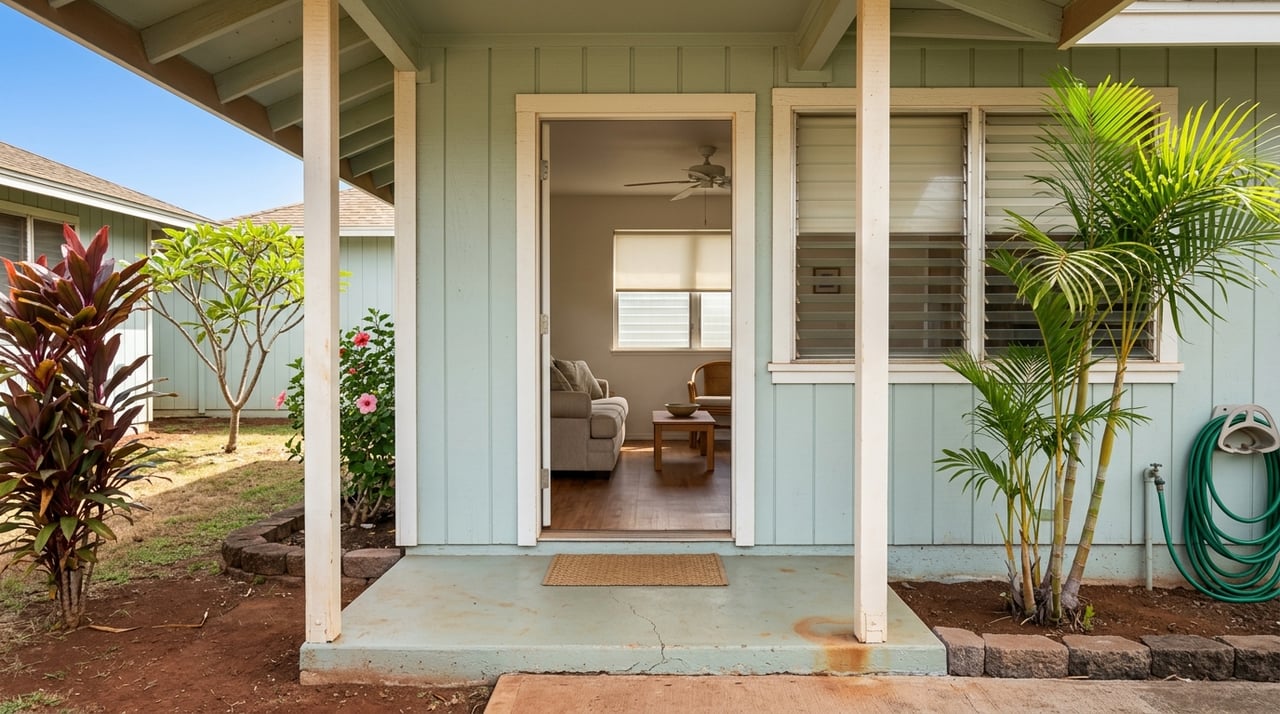
Lanai City Long Term Rentals: A Practical Local Guide
May 28, 2026
May 28, 2026
Wondering how long-term rentals work in Lānaʻi City? In a small housing market, the details matter more than most people realize. Whether you are renting out a home, looking for a stable place to live, or trying to understand the rules before you make a move, it helps to know how Hawaiʻi law and Maui County housing priorities shape the local picture. This guide walks you through the basics so you can make informed decisions with more confidence. Let’s dive in.
Lānaʻi is a small housing market by any measure. The Lanai CCD has 3,443 residents, 1,658 housing units, and 1,255 households, according to the ACS 2024 5-year profile. In a place with a limited housing base, each long-term rental unit plays an important role.
That local context helps explain why long-term rentals matter so much in Lānaʻi City. Stable rental housing supports residents who need a place to live full time, and Maui County has continued to put resources toward resident-focused and affordable housing on Lānaʻi.
Maui County’s FY 2026 Affordable Housing Fund plan describes Kaiaulu O Lānaʻi as a 68-unit rental project for families and seniors earning 30% to 60% of area median income. The county also says Hōkūao completed 76 affordable homes on Lānaʻi in 2024, and the FY 2026 budget added $7.2 million in loan funding for Kaiaulu O Lānaʻi and $10 million for infrastructure supporting affordable housing on Lānaʻi.
In Maui County, short-term rental homes are treated as a separate category. The county says STRH permits are limited by community plan region and are intended to provide visitor accommodations while preserving residential neighborhood character.
That distinction is helpful if you are trying to understand the local market. A long-term rental in Lānaʻi City serves a very different purpose from a visitor stay. In practical terms, long-term rentals are part of the island’s residential housing supply.
For owners, that means a long-term rental strategy is generally tied to steady occupancy and clear lease expectations. For tenants, it means the focus is on housing stability rather than temporary lodging.
In Hawaiʻi, the state Landlord-Tenant handbook recommends a written rental agreement whether the tenancy is month-to-month or for one year. That is one of the most important takeaways for both landlords and tenants in Lānaʻi City.
A written lease helps everyone understand the terms from day one. It should clearly state the rent amount, the due date, parking arrangements, house rules, and any promises about repairs or other conditions.
In a small community, clarity can prevent avoidable misunderstandings. A well-documented agreement gives both sides a shared reference point if questions come up later.
A fixed-term lease ends automatically on the date listed in the contract. A month-to-month tenancy continues until one party gives proper notice.
Under the state handbook, landlords must give 45 days’ written notice to end a month-to-month tenancy, and tenants must give 28 days’ written notice. If you are planning a move, renewing a lease, or adjusting your housing plans, those timelines are important to keep in mind.
One of the smartest steps at the beginning of a tenancy is to document the unit’s condition carefully. The state handbook specifically recommends a signed and dated inventory of the rental’s condition at move-in.
This does not need to be complicated, but it should be thorough. Notes about walls, flooring, appliances, windows, keys, and existing wear can make move-out much smoother later.
For landlords, this creates a clear baseline. For tenants, it helps prevent being charged for issues that were already present before move-in.
Hawaiʻi law does not provide a grace period for late rent. If rent is not paid when due, the landlord may give a 10-calendar-day notice to pay the full amount owed.
That makes it especially important for the lease to spell out when rent is due and how it should be paid. Clear expectations help reduce disputes and make lease administration more straightforward.
Current DCCA guidance also says Act 278 adds a pre-filing mediation step in nonpayment cases beginning February 5, 2026, if the tenant requests mediation within 10 days of receiving the notice. For both landlords and tenants, that means communication and prompt attention to notices matter.
Hawaiʻi law places the core habitability duty on the landlord. According to the state handbook, landlords must make repairs needed because of normal wear and tear, start emergency repairs within three business days, and start non-emergency repairs within 12 business days after receiving written notice.
For tenants, written notice is key. If something needs repair, putting the request in writing helps create a record and makes it easier to track timing.
In Lānaʻi City, where vendor scheduling and island logistics can affect repair coordination, clear communication matters even more. A practical, documented approach helps both sides stay aligned.
Tenant responsibilities go hand in hand with the landlord’s repair duties. Hawaiʻi law says tenants must keep the occupied part of the premises clean and safe, dispose of rubbish properly, use plumbing and electrical fixtures properly, avoid damaging the unit, and keep landlord-supplied items in fit condition except for reasonable wear and tear.
That means not every repair issue falls on the landlord. If damage is caused by misuse, the tenant may be responsible.
This is another reason good documentation and prompt communication are so important. When everyone understands what happened and when, it is easier to resolve maintenance concerns fairly.
Landlords do have the right to access a rental for certain reasons, including inspections, repairs or improvements, supplying agreed services, or showing the unit to prospective purchasers or tenants. Under Hawaiʻi law, tenants should not unreasonably withhold consent in these situations.
Except in emergencies, the landlord generally must give at least two days’ notice and enter only at reasonable hours. That balance is meant to protect both the tenant’s use of the home and the landlord’s ability to manage the property responsibly.
For long-term rentals in Lānaʻi City, this is another area where simple, respectful communication goes a long way. Advance notice and clear expectations help avoid tension.
Security deposits are one of the most common areas of confusion in any rental relationship. In Hawaiʻi, a security deposit cannot exceed one month’s rent.
The deposit may be used for unpaid rent, cleaning, key replacement, and tenant-caused damage. It cannot be used for normal wear and tear.
If the landlord keeps any part of the deposit, the tenant must receive a written explanation with itemized deductions. The balance must be returned within 14 days after the rental agreement ends.
Move-out records are just as important as move-in records. A clear checklist, photos, and notes about the condition of the unit can help support the final deposit accounting.
For tenants, this can help you understand any deductions. For landlords, it provides a clear paper trail if questions arise after the tenancy ends.
Because Lānaʻi has a limited housing supply and Maui County continues to support resident-focused housing, long-term rentals carry real local importance. For many owners, residents, and property managers, the goal is not turnover but stability.
If you are involved in a long-term rental in Lānaʻi City, a few practices can make a big difference:
These steps are simple, but they can help reduce stress and make the rental process more predictable for everyone involved.
On a small island, real estate is personal. Housing decisions affect owners, tenants, families, and the broader community in a way that can feel more immediate than in a larger market.
That is why local knowledge matters so much in Lānaʻi City. Understanding the island’s small housing base, county housing priorities, and Hawaiʻi rental rules can help you make practical decisions that support both your property goals and long-term housing stability.
If you need guidance on long-term rental property, local sales, or hands-on real estate support on Lānaʻi, working with a community-rooted brokerage can make the process simpler. When you are ready to talk through your options, reach out to Okamoto Realty LLC.
Stay up to date on the latest real estate trends.
We bring together a mix of integrity, imagination and an inexhaustible work ethic, striving to make each buying and selling experience the best possible.