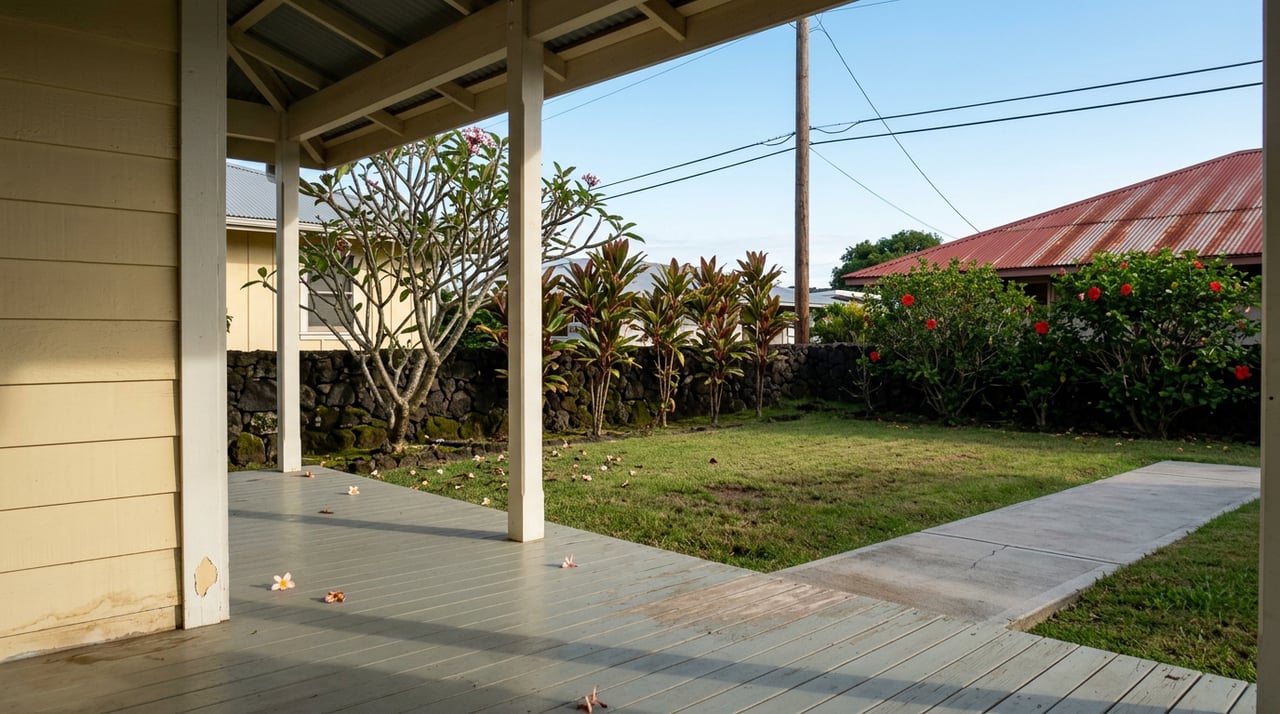
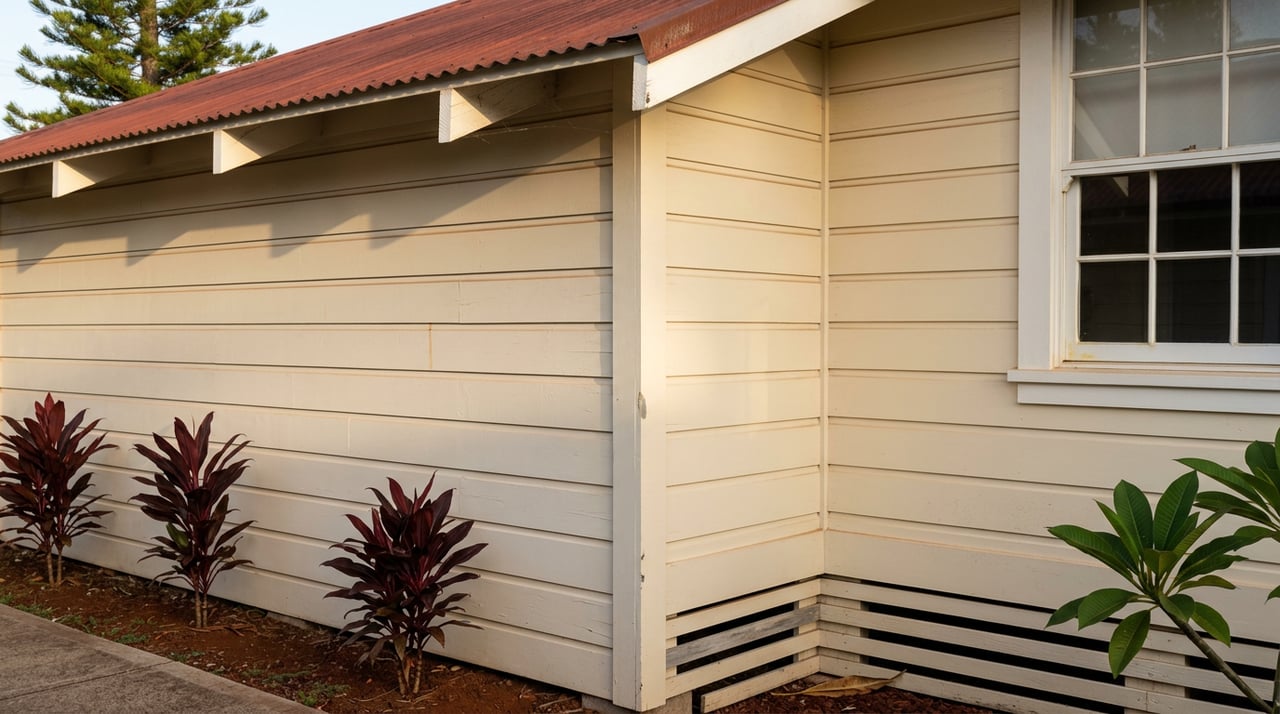
Wondering whether a Koele condo or a single-family home makes more sense for your life on Lānaʻi? It is a smart question, because Koele is not a typical neighborhood and the right choice often comes down to how you plan to use the property, how much upkeep you want, and how much control matters to you. If you are comparing ownership options in this inland resort-residential area, this guide will help you understand the tradeoffs and the documents that deserve a close look. Let’s dive in.
Koele Has a Different Setup
Koele is part of the Kōʻele Project District, an inland area mauka of Lānaʻi City that Maui County describes as roughly 1,600 to 2,000 feet in elevation. County materials note mild temperatures, moderate humidity, and steady northeasterly trade winds, which give the area a cooler, upcountry feel than coastal resort areas.
This district was established for resort, golf-course, and residential uses, and today it includes Sensei Lānaʻi and residential developments. In practical terms, that means Koele is a mixed setting where condominiums and single-family homes can exist side by side, with ownership details shaped by each property’s governing documents.
That distinction matters. In Koele, the condo-versus-house decision is usually less about being close to the beach and more about your day-to-day lifestyle, privacy preferences, maintenance expectations, and the amount of association oversight you are comfortable with.
Koele Condos at a Glance
A condo in Koele can appeal to buyers who want a more managed ownership experience. If you spend only part of the year on Lānaʻi or want fewer hands-on property chores, a condo may offer the kind of setup that feels easier to manage from off-island.
That said, condo ownership in Hawaii is not just about the interior walls of your unit. Under Hawaii condominium law, ownership includes the unit plus a relationship to common elements, and some features you may think of as private, such as lanais, patios, windows, or exterior doors, can be classified differently depending on the declaration.
What That Means for You
You should not assume every exterior feature is fully under your control. In many condo projects, the association has authority over rules, budgets, reserves, assessments, and how common elements are used, maintained, repaired, or modified.
That structure can be helpful if you prefer shared oversight and coordinated maintenance. It can also feel more restrictive if you want broad freedom over exterior changes or use of outdoor areas.
Maintenance and Fees
In general, Hawaii law says the association is responsible for operating the property unless the project documents say otherwise, while each owner is responsible for maintenance, repair, and replacement of the owner’s unit. The same legal framework also allows reasonable access through a unit when needed for those purposes, which is one reason condo living can feel less private than owning a detached home.
Monthly dues are also a major part of the picture. Those fees help cover current common expenses and reserve funds for future major costs, and weak reserves can increase the risk of special assessments.
When you compare Koele condos, look beyond the monthly fee amount alone. A lower fee is not always better if the project has limited reserves or a history of special assessments.
Not All Koele Condos Are the Same
One of the biggest mistakes buyers make is treating all condos in the same area as interchangeable. In Koele, that can be especially misleading.
The state’s association contact list identifies Villas at Koele Phase I and Villas at Koele Phase II separately, and the listed management companies are different. That is a reminder that even nearby condo properties can have different boards, managers, fees, maintenance practices, and house rules.
Single-Family Homes at a Glance
A single-family home in Koele often appeals to buyers who want more privacy and more direct control over the property. Detached living can mean fewer shared-wall concerns and a more residential feel within Koele’s inland resort setting.
For some buyers, that added separation is the main advantage. If you plan to spend more time on-island, want more say over the property’s day-to-day use, or simply prefer a home that feels more independent, a detached property may be the better fit.
More Control, More Responsibility
The tradeoff is that more control usually comes with more direct responsibility. With a single-family home, you should expect to verify who handles landscaping, exterior repairs, utilities, roads, drainage, and any shared infrastructure before you assume the setup is low maintenance.
Even within a resort-residential district like Koele, the answer can vary by parcel and by governing documents. That is why a house is not automatically a carefree option, even if it offers more independence than a condo.
Why Koele’s Setting Matters
Koele’s inland location is part of its draw for many buyers. Maui County materials describe the area as cooler, milder, and more sheltered than coastal resort areas, with resort, golf, and residential development rather than dense urban housing.
For buyers who want a quieter residential base near resort amenities, a single-family home can line up well with that goal. It offers a different ownership feel from a condo, even within the same broader district.
Condo Versus House: Key Differences
If you are deciding between the two, it helps to look at the tradeoffs side by side.
| Factor |
Koele Condo |
Koele Single-Family Home |
| Maintenance |
Often less hands-on for common areas and some exterior needs |
Often more direct owner responsibility |
| Privacy |
More shared governance and possible shared-wall or access considerations |
Usually more separation and a more independent feel |
| Control |
More association rules and approval requirements |
Often more flexibility, subject to recorded documents |
| Costs |
Monthly dues, reserves, and possible special assessments |
Fewer condo-style dues in many cases, but more direct upkeep costs |
| Best Fit |
Part-time owners or buyers seeking a lock-and-leave setup |
Buyers wanting more control and willing to manage more upkeep |
Which Option Fits Your Lifestyle?
A condo often makes sense if you visit only a few times a year, want fewer on-island chores, and like the idea of an association handling more of the common-area upkeep and long-term planning. That can be especially helpful for mainland or Maui-based buyers who want a more lock-and-leave arrangement.
A single-family home often makes more sense if you spend more time on Lānaʻi, value privacy, want more control over the property, and do not mind taking on more direct upkeep. That can also suit buyers who care a lot about how outdoor spaces are used and maintained.
Neither choice is automatically better. In Koele, the better option is usually the one that matches how often you will be here, how involved you want to be, and how comfortable you are with rules, fees, and shared responsibilities.
Documents You Should Review Before Choosing
At Koele, the property type alone never tells the whole story. Before you narrow your choice, ask for the documents that explain how the property is actually governed and maintained.
For Condo Buyers
Review these carefully:
- Recorded declaration
- Bylaws
- House rules
- Current budget
- Reserve information
- Special-assessment history
The Hawaii Real Estate Branch provides a public condo database that can be searched by project or association name, TMK, address, developer, or registration number. Owners and their authorized agents are also entitled to a free electronic copy of the governing documents from the association.
For House Buyers
For a single-family home, review the recorded deed, CC&Rs, and any HOA or neighborhood documents that may affect use, maintenance responsibilities, or shared infrastructure. This step is important because detached ownership can still come with rules or obligations that are not obvious at first glance.
Why Local Guidance Helps in Koele
Koele is a small, specialized market within a small island market. Two properties that look similar on paper can come with very different practical realities once you review the governing documents, fee structure, or maintenance obligations.
That is where local knowledge can save you time and reduce surprises. A clear, practical review of the ownership structure can help you focus on the option that fits your actual lifestyle, not just the one that looks appealing in photos.
If you are weighing a condo against a single-family home in Koele, talking it through with a local team can make the comparison much easier. For plainspoken guidance rooted in Lānaʻi experience, talk with Okamoto Realty LLC.
FAQs
What makes Koele different from a typical neighborhood on Lānaʻi?
- Koele is a mixed resort-residential district in the Kōʻele Project District, with both condominiums and single-family homes rather than one standard subdivision pattern.
What should buyers know about Koele condo ownership?
- A Koele condo may offer less hands-on maintenance, but it also usually comes with association rules, shared governance, monthly dues, reserve considerations, and possible special-assessment risk.
What is the main advantage of a single-family home in Koele?
- A single-family home often offers more privacy and more direct control over the property, though owners usually take on more upkeep responsibility.
What documents should buyers review for a Koele condo?
- Buyers should review the declaration, bylaws, house rules, current budget, reserve information, and any history of special assessments.
Are all condo properties in Koele run the same way?
- No. Even nearby projects can have different boards, managers, fees, reserves, and rules, so each property should be reviewed on its own terms.
How can buyers decide between a Koele condo and a Koele house?
- Start with your lifestyle: how often you will be on-island, how much maintenance you want to handle, how much privacy you prefer, and how comfortable you are with association oversight.