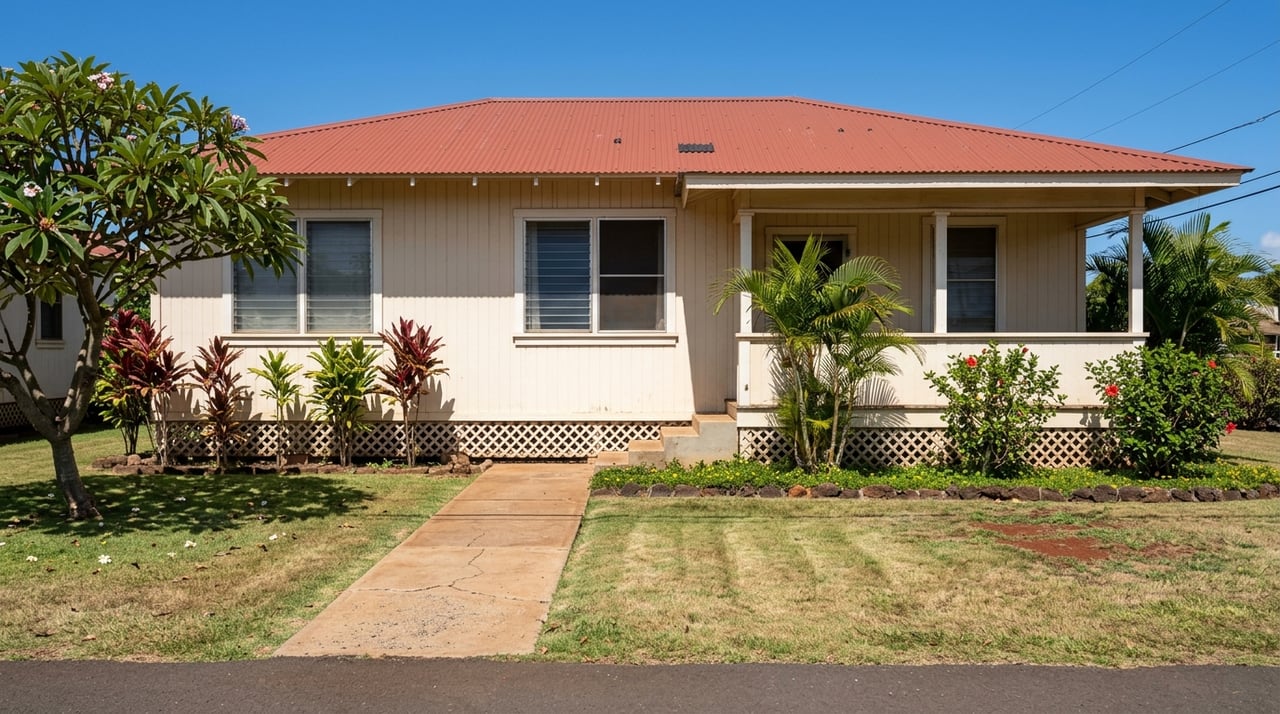
Getting A Lānaʻi City Plantation Home Ready To Sell
May 14, 2026
May 14, 2026
Selling a plantation home in Lānaʻi City is not the same as prepping a newer house on the mainland. If your home has been in the family for years, or you are handling a sale from off-island, it can be hard to know what to fix, what to leave alone, and what could slow down closing. The good news is that smart prep usually means careful maintenance, good records, and a presentation that respects the home’s original character. Let’s dive in.
Lānaʻi City was planned as a plantation town, and many of its homes were built between 1927 and 1938. Maui County says the town’s character comes from its early 20th-century planning, parks, landscaping, and compatible building details.
That matters when you get ready to sell. In many cases, the best move is not a full remodel. A plantation-era home often shows better when you focus on repair, upkeep, and preserving features that make it feel authentic to Lānaʻi City.
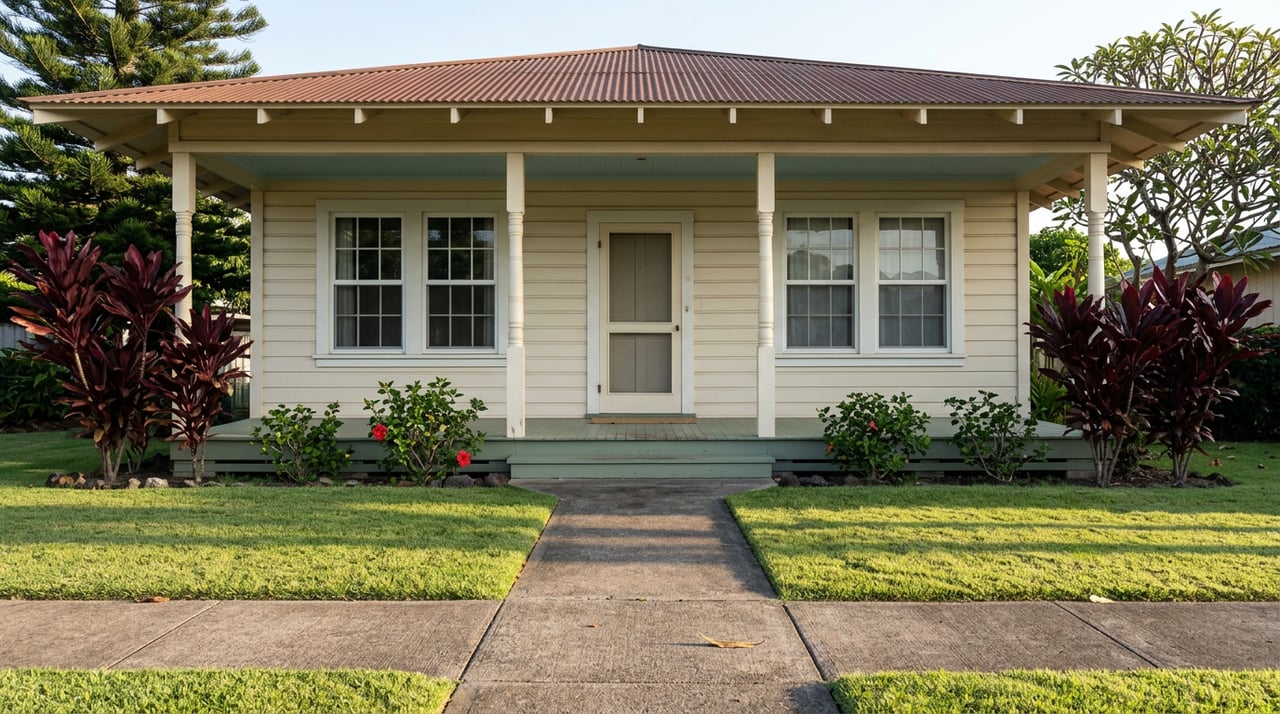
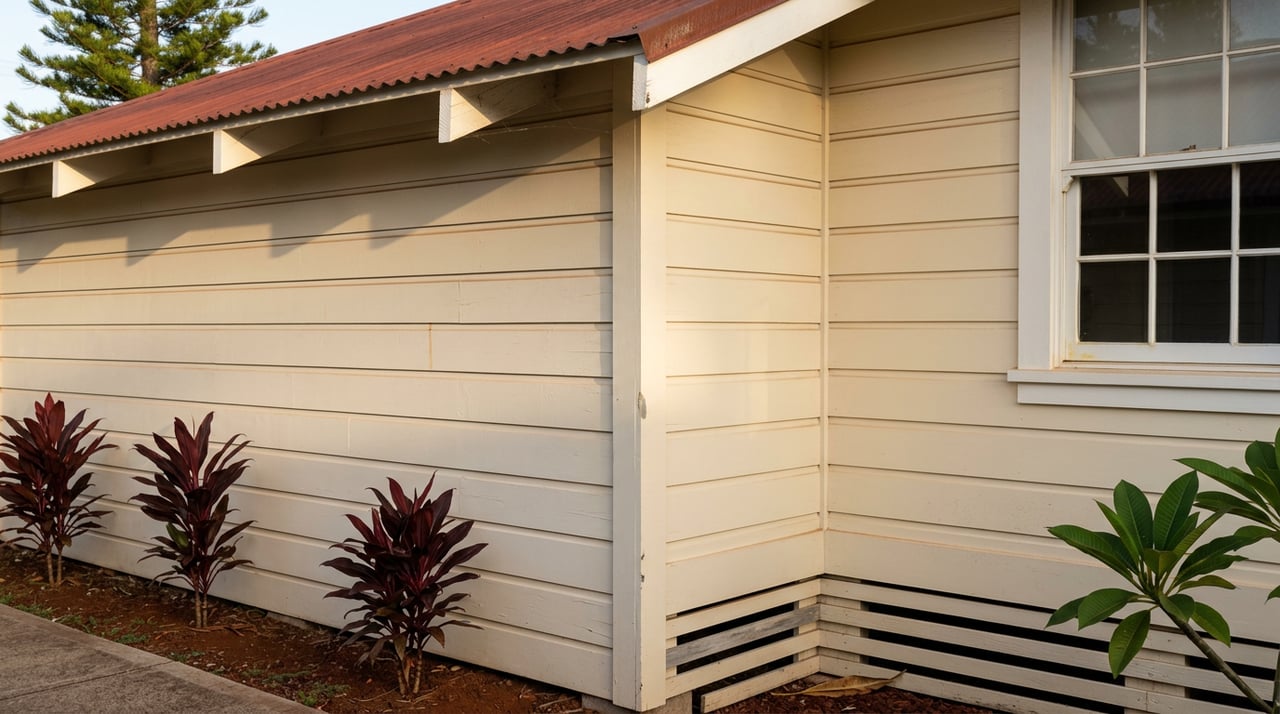
Historic Hawaiʻi Foundation describes common plantation-era features in town as single-story wood homes on posts with crawl spaces, corrugated hipped roofs, exposed rafter tails, and multi-light windows. Maui County also notes that many homes have gained character over time through additions, paint choices, gardens, and landscaping. Your goal is to present a home that feels cared for, not stripped down or over-modernized.
Before you spend money on paint, staging, or yard work, start with the paper trail. This is one of the most important steps for legacy properties, estate sales, and off-island owners.
Maui County Online Services lets you review property tax records, tax maps, land and permit data, and images of issued permits. If you are not fully sure what was done over the years, checking records first can help you avoid putting fresh money into a project that may raise permit questions later.
Maui County says a building permit is required for construction, alteration, moving, demolition, repair, and use of a building or structure. The county also says permits expire five years after issuance if work is not completed.
That means older additions, enclosed lanais, structural changes, or other past work should be reviewed before listing. If something was never finalized, it can become a negotiation point or delay once a buyer starts inspections and escrow.
Lānaʻi City is one of Maui County’s Country Town Business Districts. The county says owners should use the Zoning & Flood Confirmation Form to verify whether a property is inside the district.
If it is, Country Town Design Review may apply to new construction, reconstruction, and renovations involving 50% or more of each elevation. Even if your property falls outside the district, Maui County encourages owners to follow the Lānaʻi City design guidelines so exterior changes stay compatible with the town’s historic character.
The State Historic Preservation Division says buildings and structures over 50 years old may be eligible for the Hawaiʻi Register. Still, age alone does not automatically mean a special review applies.
If a private property is listed on the Hawaiʻi Register, alterations are subject to SHPD review under HRS 6E-10. Before you replace original windows, siding, porch details, or other visible features, it is wise to confirm the property’s status.
In a market where homes may take longer to sell, practical improvements tend to matter more than expensive overhauls. Public market trackers in late 2025 and early 2026 described Lānaʻi City as a buyer’s market, with relatively long days on market.
The exact numbers vary by source, but the takeaway is consistent. Sellers usually benefit more from a clean, well-documented, move-in-ready presentation than from a high-cost renovation that does not fit the home.
Maui County’s guidance says routine maintenance is the most effective form of preservation. It also says repair is preferable to replacement when historic materials or architectural elements can still be saved.
For pre-listing prep, start with the obvious issues:
These items affect first impressions and inspection results. Taking care of them early can help your home show as well-maintained and reduce surprises later.
Curb appeal matters, but in Lānaʻi City, the best exterior updates are usually thoughtful rather than dramatic. Maui County allows varied and even contrasting colors for roof, siding, and trim, but says colors should be chosen carefully so they fit the town’s visual character.
A fresh paint job can absolutely help if surfaces are peeling or faded. The key is to brighten and protect the home without making it look disconnected from its setting.
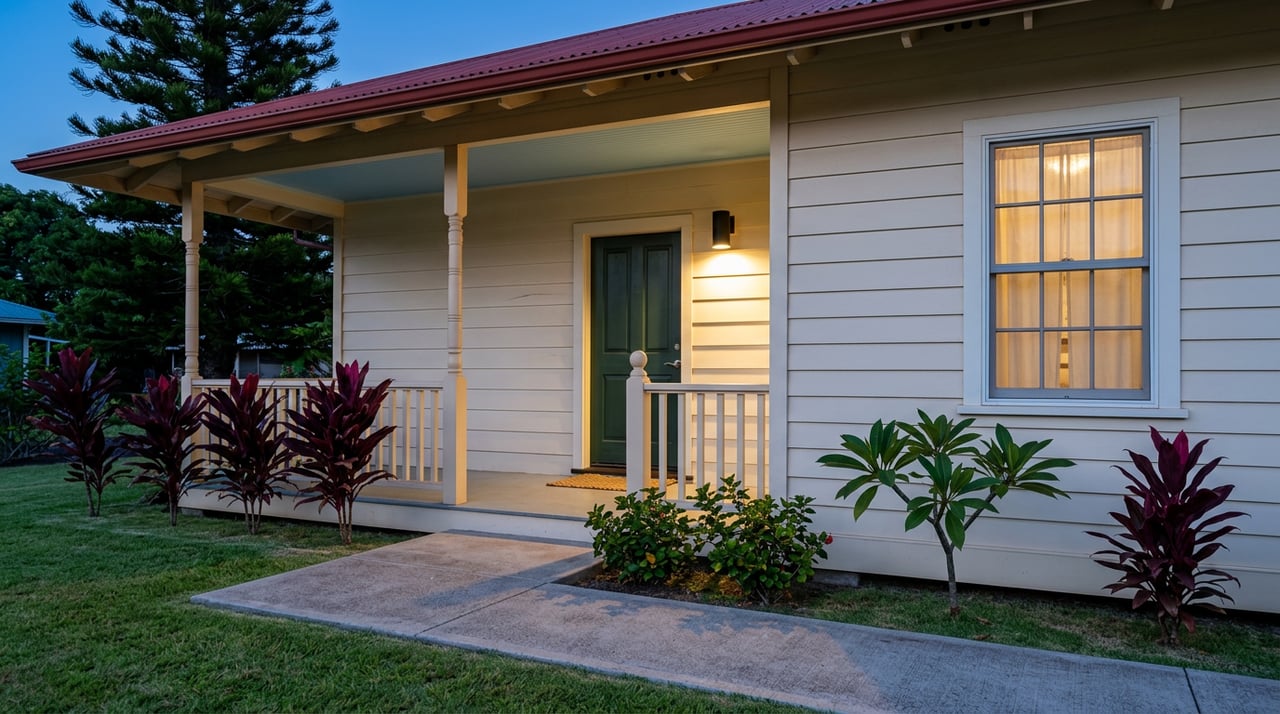
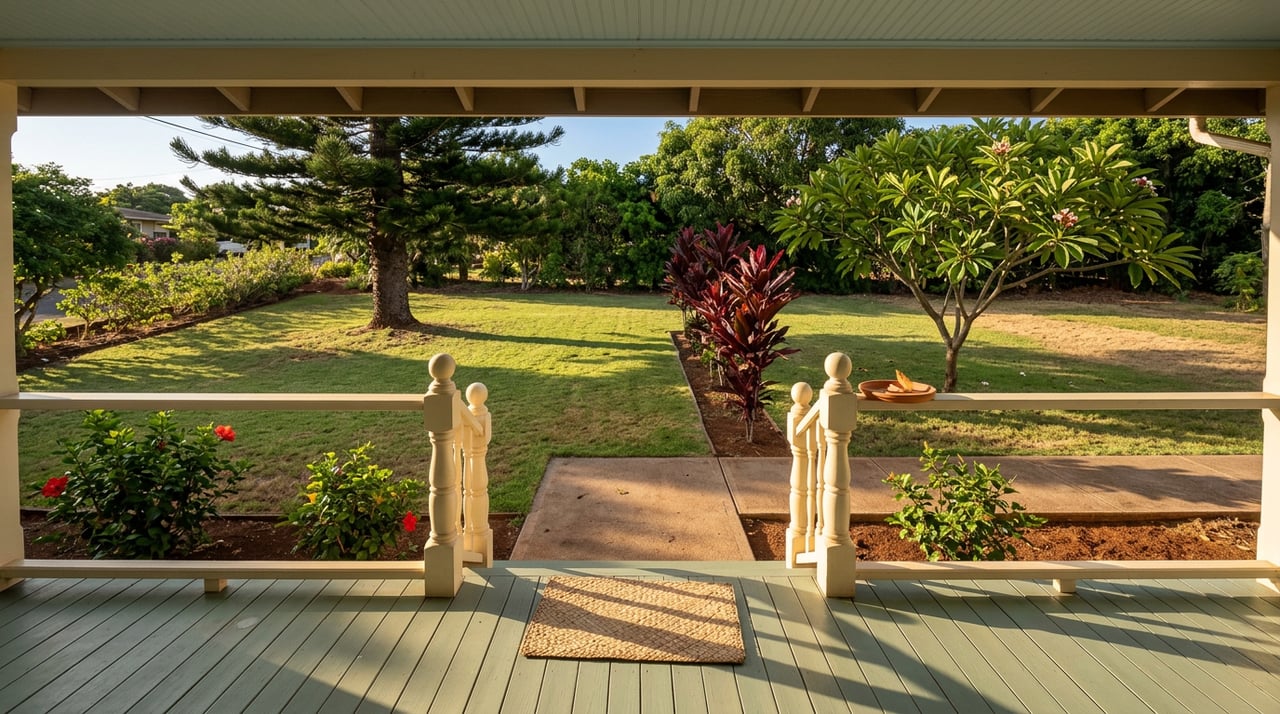
The county’s design guidance highlights covered porches, wood doors and frames, multi-paned windows, and traditional wood-based siding as important local features. It also recommends preserving original roof shape and overhangs where possible.
If you are preparing the home for photos or showings, avoid covering these details with oversized décor or heavy visual clutter. Let buyers see the porch, the trim, the window pattern, and the simple shape of the house.
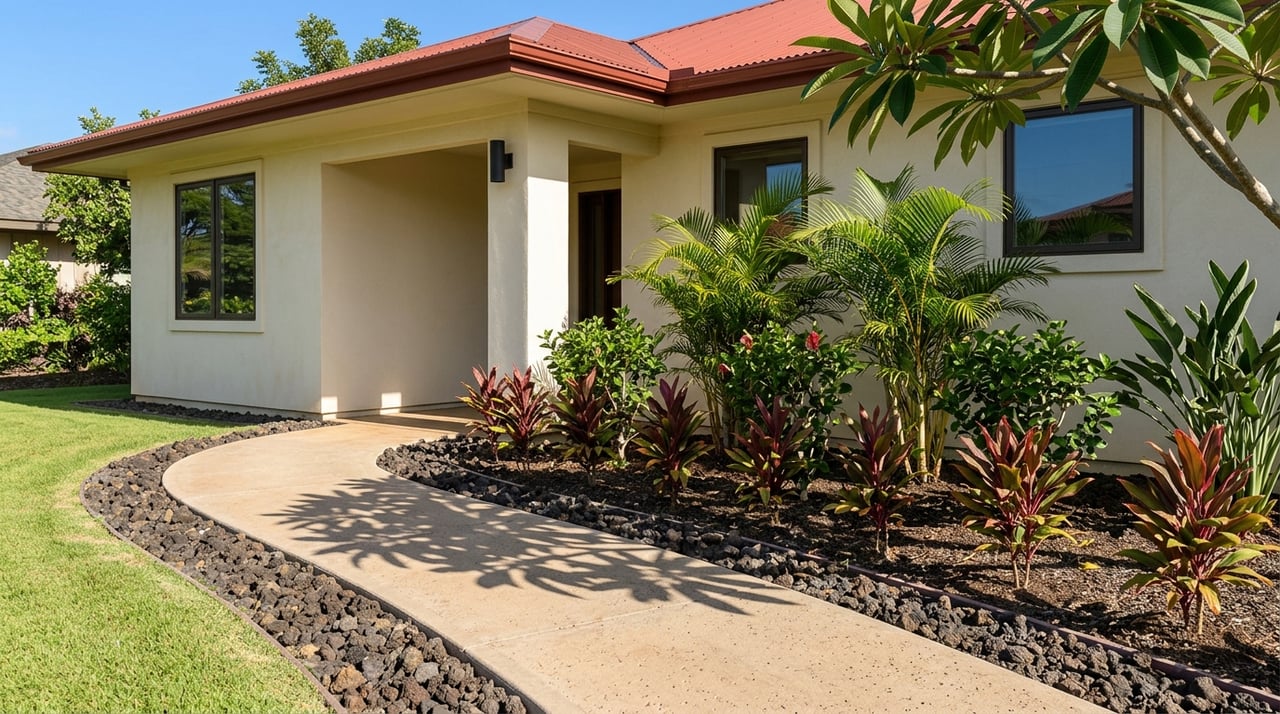
In Lānaʻi City, landscaping is part of the home’s appeal. Maui County notes that front yards provide room for landscaping and identifies mature Cook pines as a defining feature of the town.
That does not mean you need a major landscape project before listing. In fact, a tidy, natural look often works better than trying to redesign the whole yard.
Simple cleanup can go a long way:
The county encourages preserving and enhancing Cook pines and notes that wood fences or low rock walls are often compatible with local character. For most sellers, the right move is a clean front path, manageable planting beds, and a yard that feels cared for.
Plantation homes often show best when staging is simple. Maui County’s guidance emphasizes compatibility with surrounding historic buildings, plantation vernacular proportions, and the town’s existing character.
That supports a lighter touch indoors. Declutter, simplify furniture layouts, and open up the rooms so buyers can understand the flow.
Try to make the home feel comfortable and well-kept, not overdesigned. In practical terms, that often means:
This approach is especially helpful in older homes where charm comes from proportion, materials, and lived-in character.
One of the most helpful things you can do before listing is organize your documents. Because Maui County records and permit images are available online, sellers can put together a clear property file ahead of time.
This is especially useful if you live off-island or are helping sell a family property. When buyers ask questions, quick answers build confidence.
Include items such as:
A well-organized file will not solve every issue, but it can make the property easier to inspect, explain, and move through escrow.
Many sellers worry they need to restore every detail to original condition before they can go on the market. That is not what the local guidance says.
Maui County prefers repair over replacement, and when replacement is needed, the guidance says materials should match or be compatible with the original. In other words, you do not need to turn your home into a museum. You need to present it as a well-maintained part of Lānaʻi City’s historic fabric.
That usually means avoiding over-renovation, staying thoughtful about visible exterior changes, and spending your budget where buyers will feel the difference. For many sellers, the strongest plan is simple: verify records, fix the obvious issues, tidy the yard, and let the home’s original character come through.
If you are getting a Lānaʻi City plantation home ready to sell, local guidance and hands-on coordination can make the process much smoother. For practical help with property prep, vendor coordination, and listing strategy, talk with Okamoto Realty LLC.
Stay up to date on the latest real estate trends.
We bring together a mix of integrity, imagination and an inexhaustible work ethic, striving to make each buying and selling experience the best possible.