The Seeds Saved for Lānaʻihale Are Now Growing in a Lānaʻi City Nursery. Here's How to Plant Some at Home.
October 29, 2026
October 29, 2026
A 40-foot container sits in Palawai Basin. It runs on solar power, with a backup generator for long cloudy stretches, and air conditioning and dehumidifiers keep the inside cool and dry. By September 2026 it held more than 3.3 million native seeds from more than 56 species, stored in more than 300 separate batches.
Every one of those seeds came from Lānaʻi, and all of them are meant to be used on Lānaʻi. That rule is the core of the project. It now matters to anyone in Lānaʻi City with a yard to plant, because since September the island's most locally rooted plants can be bought with an email, and a grower doesn't have to wait for a festival booth.
The seed bank belongs to Kuahiwi a Kai: Lānaʻi Watershed Conservation Program, which the National Fish and Wildlife Foundation and Pūlama Lānaʻi set up in 2019. The program covers about 20,000 acres, from the mountain to the shoreline. Its goals include protecting ʻuaʻu and other native species, cutting erosion and sediment runoff, and protecting reefs and cultural sites. In September 2026, NFWF announced new funding for the program that includes ungulate-proof fencing and a community-based effort to reduce invasive deer and sheep.
Terraformation, a native forest restoration company based on Hawaiʻi Island, runs the seed bank with Pūlama Lānaʻi. The container arrived in November 2024, and the first collection trip came that December. Since then, Terraformation staff have generally come back every month to month and a half, spending about a week collecting and processing seeds.
Two figures show how the bank works. Of the 3.3 million seeds, Pūlama Lānaʻi estimates about 15,000 went out for direct nursery use in 2026. That is less than half of one percent of the inventory, so almost all of the stock is a reserve. About 2.4 million of the seeds are ʻōhiʻa, which are small enough to keep in folded paper envelopes.
Lehua Todero, Terraformation's seed bank manager, told Lāna'i Today that the same species can adapt differently on different islands. Collecting on Lānaʻi keeps the genetic material of plants that already grow under Lānaʻi's conditions. The team also collects in different places and returns over time. If seeds come from only a few parent plants, the seedlings can share the same weakness to drought or pests. Collectors take only about 20 percent of the seeds available and leave the rest.
Todero has a phrase for the risk, "common until it's not." Her point is that seed should be banked while a plant is still plentiful, because a pest or another threat can shrink a population before it ever gets formal endangered status.
Going back to the same places again and again has already turned something up. In February 2026, Todero spotted an ʻōhiʻa with unusually long leaves. Bishop Museum identified it as Metrosideros waialealae var. fauriei, a variety that had been considered gone from Lānaʻi. The museum's only earlier Lānaʻi specimen was collected in 1928. As of September 2026 she had found just one plant, and its seeds are now in the bank.
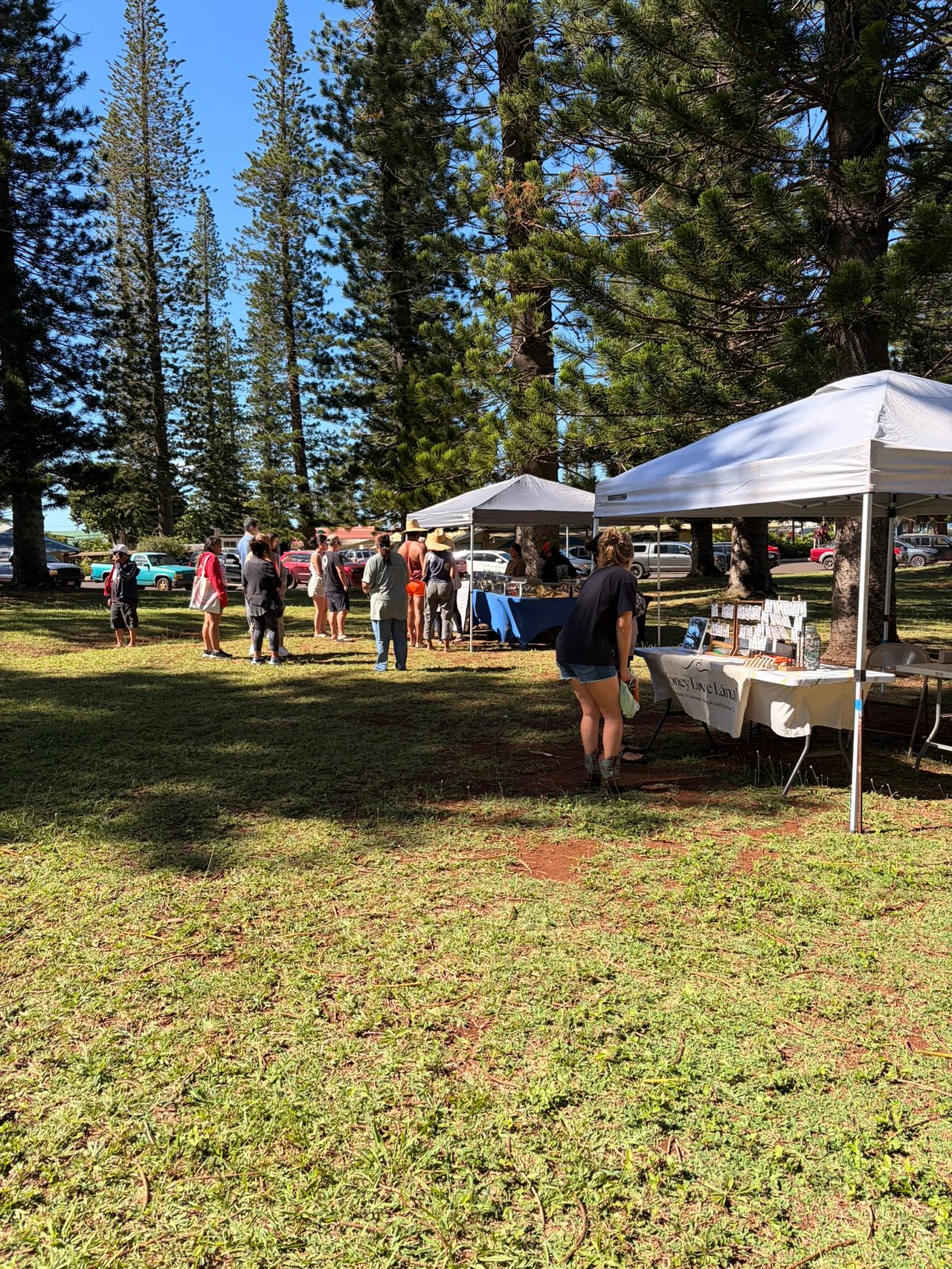
Until this fall, the Lānaʻi Culture & Heritage Center sold its nursery plants mostly at community events. In September it started selling them directly to residents. The 2,000-square-foot nursery is at Pūlama Lānaʻi Community Gardens and grows native and Polynesian-introduced plants. It also serves as an outdoor classroom for students.
The center's nursery is separate from the seed bank. The overlap is the ʻōhiʻa lehua, which the center says is grown from Lānaʻi seed stock. So the reasoning Todero uses for restoration seed also applies to a tree going into a yard on Fraser Avenue.
The current plant list was updated October 20, 2026. These are the native plants on it:
| Plant | Notes on the list | Pot | Price |
|---|---|---|---|
| ʻŌhiʻa lehua, Metrosideros polymorpha var. glaberrima and var. incana | Native, endemic; most likely red-flowered and shrubbier; Lānaʻi seed stock | 1 gallon | $20 |
| ʻĀkia, Wikstroemia uva-ursi | Native; deer-resistant | 3 inch | $4 |
| Kokiʻo keʻokeʻo, Hibiscus arnottianus | Native | 1/2 gallon | $8 |
| Kokiʻo ʻula, Hibiscus kokio subsp. saintjohnianus | Native | 1/2 gallon | $8 |
| ʻUkiʻuki, Dianella sandwicensis | Native | 1 gallon | $6 |
| Palapalai, Microlepia strigosa | Native, indigenous | 1 gallon | $10 |
| Kupukupu fern, Nephrolepis cordifolia | Native, indigenous | 1/2 gallon | $5 |
Every native plant is listed at fewer than 10 available, and ʻukiʻuki at fewer than five. The rest of the list includes hau, which is marked Polynesian-introduced, and Hawaiian chili pepper, lemongrass, galangal, strawberry, moringa and leatherleaf fern, which are all marked non-native. French hydrangea and pakalana are listed as coming soon.
Orders have a $20 minimum. You order by emailing Kari Bogner through the center's Aloha ʻĀina page. One ʻōhiʻa covers the minimum on its own. At $4 a pot, it takes five ʻākia to reach it. The selection changes regularly, so check the list again before you plan a bed around anything on it.
Lānaʻi City sits at about 1,600 feet. That's high enough to be cooler than the coast, and the Native Plants Hawaiʻi database at the University of Hawaiʻi files several of these plants under the same dry, windy, sunny conditions. Here is what it says about the plants on the list and in the seed bank coverage.
The center names the deer-resistant plants on its list as a practical choice for local gardens. That's useful for any yard near the edge of town, where browsing deer are part of gardening here. Older planting guidance from UH's College of Tropical Agriculture and Human Resources also warns against digging plants up from the wild. A nursery pot grown from collected seed avoids that problem, and the seed bank's 20 percent limit applies the same idea at a larger scale.
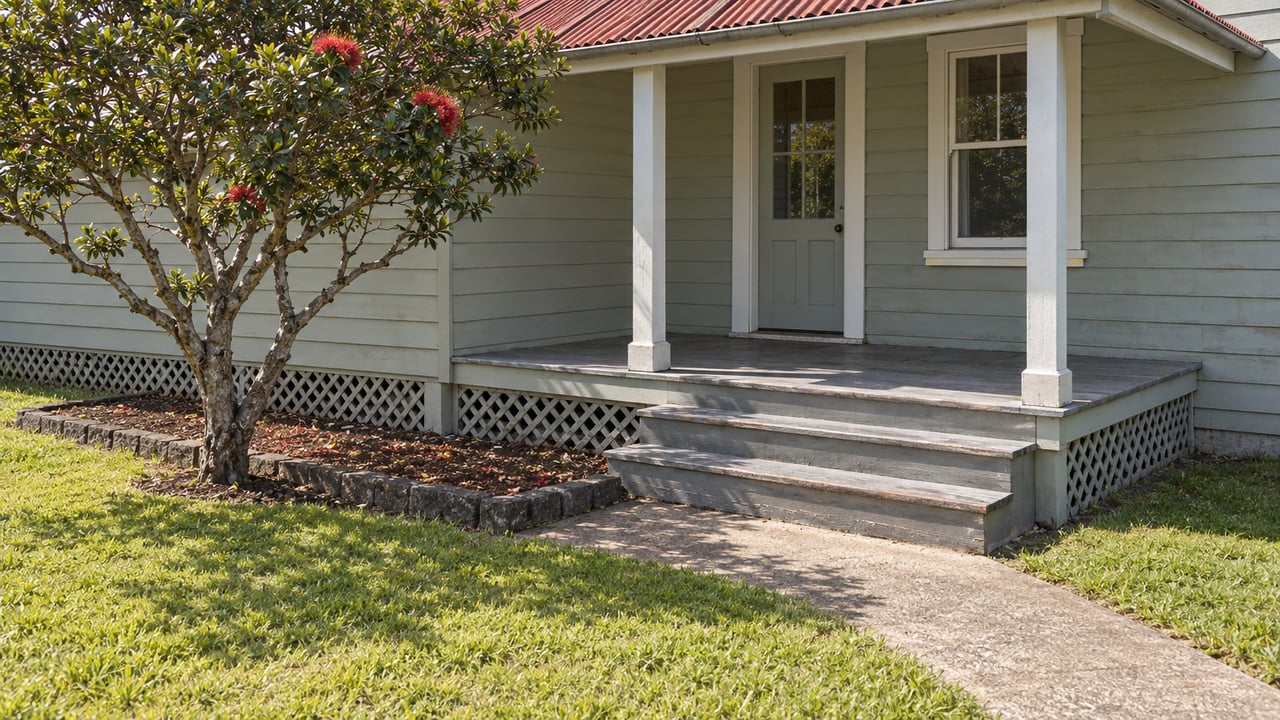
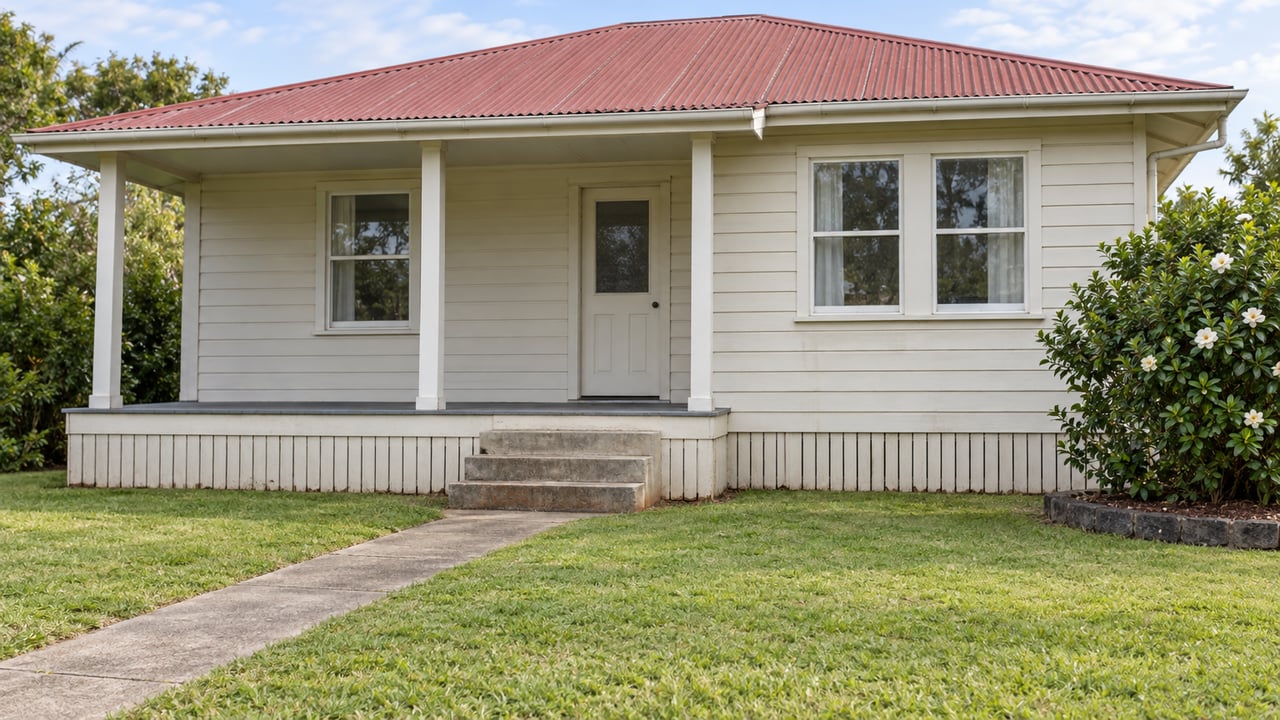
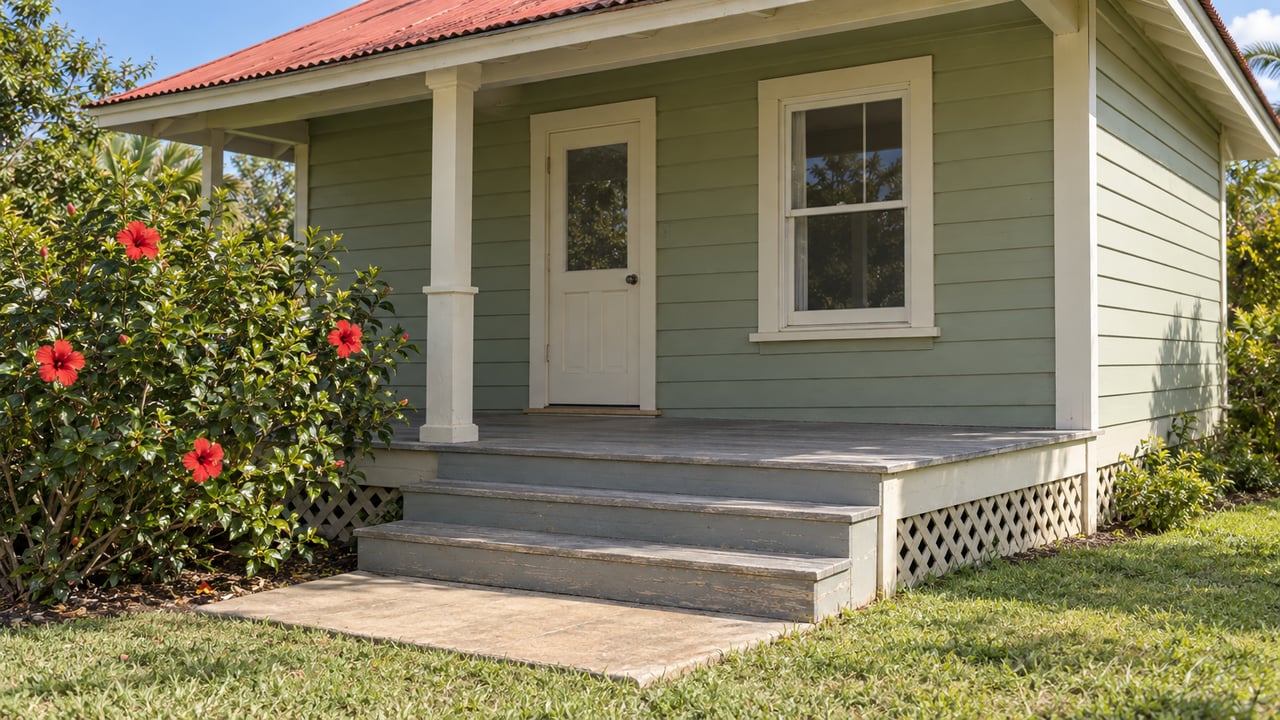
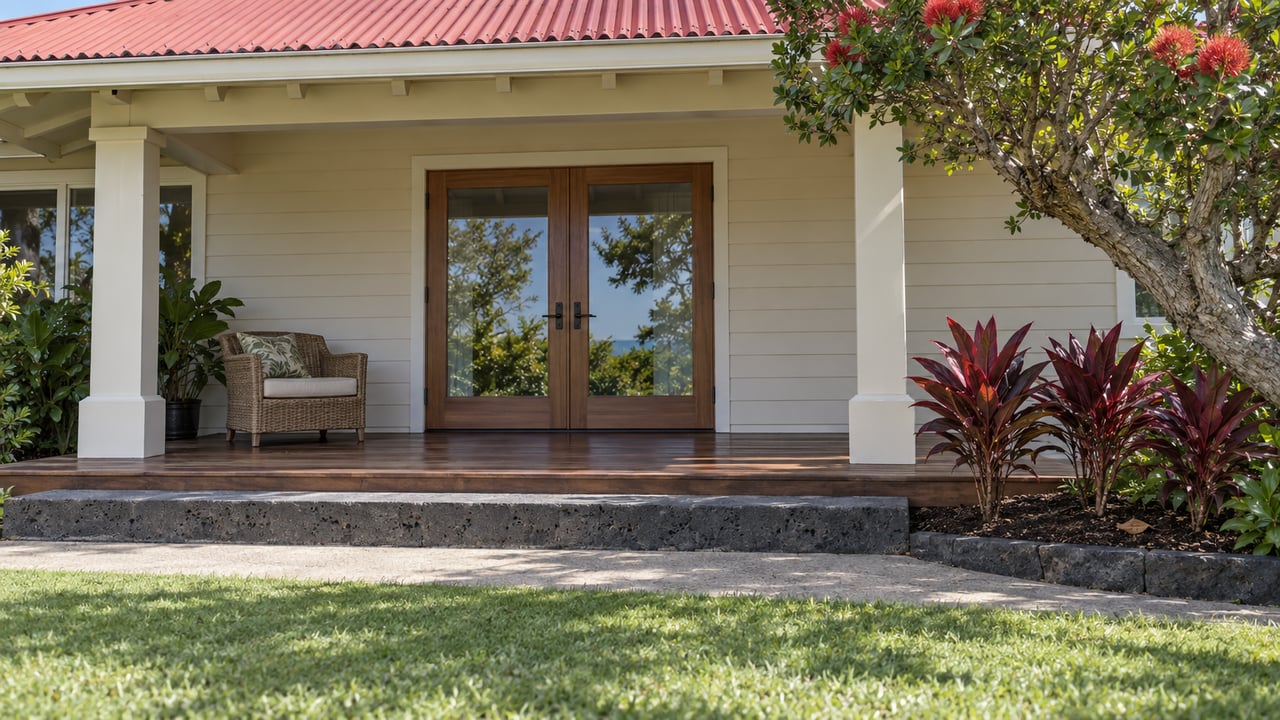
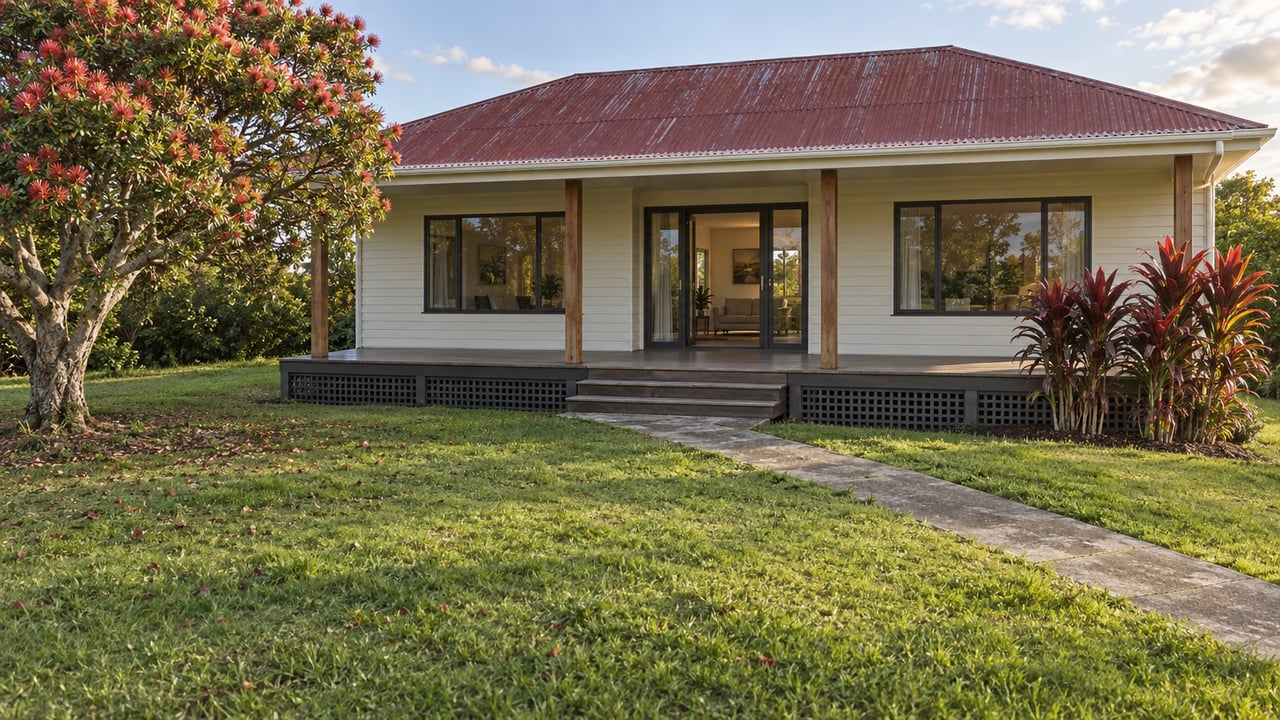
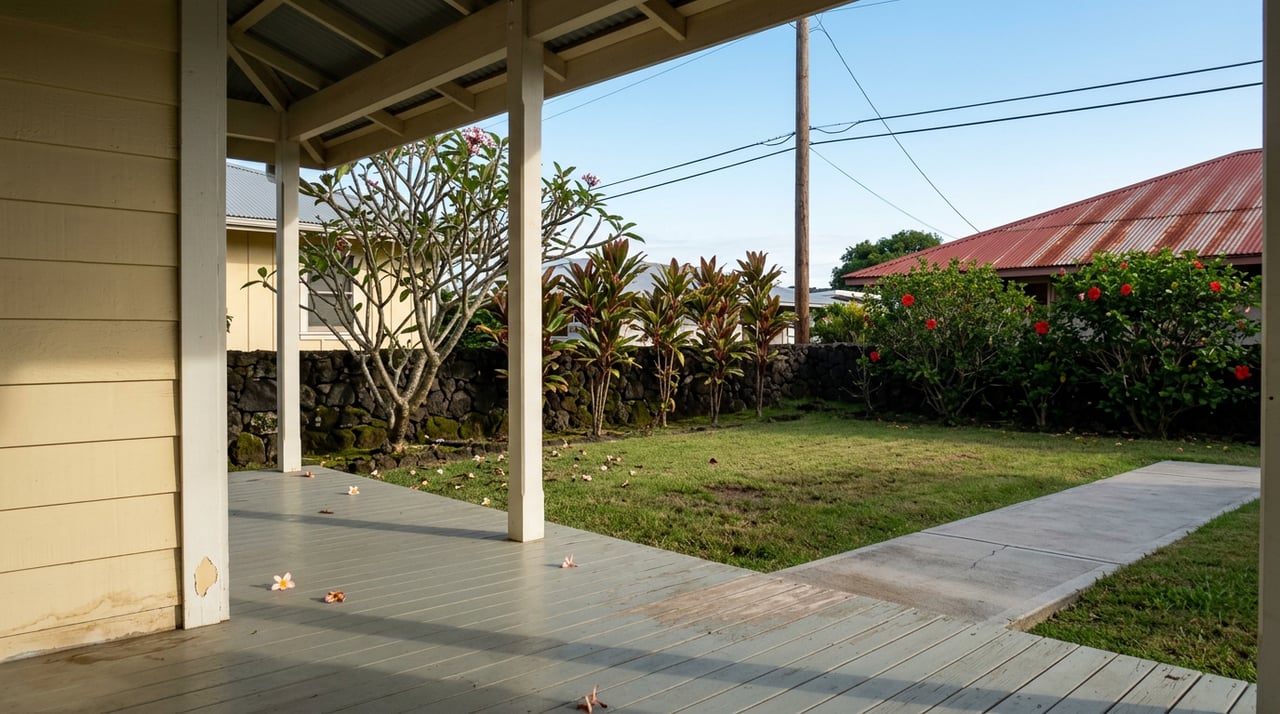
If you're planting around a plantation-era home, the house styles you see across Lānaʻi City usually come with open lawn and broad eaves. Low ʻākia or ʻukiʻuki along a lava-rock edge, with one ʻōhiʻa in the sunniest corner, fits those lots without needing a full redesign.
Pūlama Lānaʻi is also growing more native plants in its own nursery to make them easier to get for landscaping and community use. Seeds from the Terraformation partnership are already growing there. Terraformation's long-term plan is to hand routine seed collection, and everything it has learned, over to Pūlama Lānaʻi. For now, the Lānaʻi Culture & Heritage Center list is the place to order a native plant grown from Lānaʻi seed for your own yard, with a $20 minimum per order.
At Okamoto Realty, we've watched Lānaʻi City yards change hands across generations, and we know how much a well-planted lot means to the people who live on it. If you're getting a home ready for its next chapter, or just want to know which local vendors and growers we trust, talk with a Lānaʻi real estate expert.
Stay up to date on the latest real estate trends.
We bring together a mix of integrity, imagination and an inexhaustible work ethic, striving to make each buying and selling experience the best possible.