Lānaʻi's Only Archive Was Built Around Climate Control. Now That System Needs Replacing.
November 5, 2026
November 5, 2026
In March 1948, Pine Parade, the monthly newsletter for Hawaiian Pineapple Company employees, put out an issue documenting life and work on Lānaʻi. Decades later the Alfonso Lopez family gave their copy to the Lānaʻi Culture & Heritage Center. A May 1950 issue came from the Natsuko Minami family. Both now sit in the old Dole Plantation Administration Building at 730 Lānaʻi Avenue, which the center says holds more than 40,000 items.
The center was built to keep those items safe from Lānaʻi City's air, and this month it told the community that the equipment doing that job has worn out.
The Lānaʻi Culture & Heritage Center started in 2007 as a community-based nonprofit, founded in consultation with kūpuna and islanders. In 2010 it opened what its own history calls "a climate-controlled display and archive center" in the Dole Plantation Administration Building. Since then, more than 100,000 people have visited the museum or attended its programs.
Climate control is right there in that founding description, and for good reason. In its November 2026 appeal, the center explains that fragile photographs, documents and textiles need carefully controlled temperature and humidity to keep from deteriorating. A family in 1950 could keep a copy of Pine Parade in a drawer. Keeping a full run of plantation-era paper usable for another hundred years takes equipment.
On its archives page, the center describes its holdings as Lānaʻi's only archival collection of artifacts. On its visit page, it calls them the largest archive of Lānaʻi-focused materials. Either way, the paper records of plantation-era Lānaʻi City are concentrated in this one building and depend on that one climate system.
The center's Help Protect Lānaʻi's History for Generations to Come appeal is dated November 2026. It states the problem directly:
"Unfortunately, the center's climate-control system has reached the end of its useful life. Without reliable temperature and humidity control, some artifacts have already experienced mildew and mold, putting these irreplaceable materials at risk of further damage."
The center expects a new system to cost more than $60,000. A group of donors, including the Stupski Foundation, has pledged $30,000 in matching funds toward the Lānaʻi Heritage Preservation Fund. That pledge covers at most half of the estimated cost, so the community has to raise at least the other $30,000. The appeal asks for gifts of $25, $50, $100 or whatever people can give, and donations go through the center's Lānaʻi Heritage Preservation Fund page.
The appeal also explains why replacing the system is urgent. "Once a historic photograph, family heirloom, or fragile document is damaged beyond repair, the stories it holds may be lost forever."
The appeal makes the stakes personal for longtime Lānaʻi City families, because it describes much of the collection as family history entrusted to the center. The center lists the kinds of items it holds:
The employment cards are a series of Hawaiian Pineapple Company records labeled HAPCo Employee Cards: 1923–1938. They begin the same year that, according to the center's timeline, James Dole and his associates were planning Lānaʻi City, Kaumālapaʻu Harbor and the plantation fields, and the first buildings in town were going up. Records from the town's first plantation years are part of what's stored on Lānaʻi Avenue.
Some of the photographs have never been on display in the museum. The center's online exhibit Plantation Life on Lānaʻi shows them alongside recorded stories from Dean Del Rosario, Albert Morita and Diane Preza, who all grew up on the plantation. Dean Del Rosario's father took many of the photos in the exhibit.
The collection is also still growing, which makes it more than a record of the past. The Pine Parade page says the center is looking for more issues. The Plantation Life exhibit asks residents with Lānaʻi family photos, or with information about the people and places in existing photos, to get in touch. The Changing Landscapes on Lānaʻi exhibit belongs to the "Our Living History: Lānaʻi Digital Archive" project, in which the center's archivist is organizing and digitizing the collections, and it also invites people with Lānaʻi photos to share them.
That ongoing growth is why the climate system matters so much. Families who hand over a newsletter or a photo album now are trusting that it will be safer in the building than at home. The replacement system is what allows the center to keep that promise to future donors as well as to the families who have already given.
The museum is open while the fundraising continues, and it is easy to reach from anywhere in town. Here is how residents can use it this season:
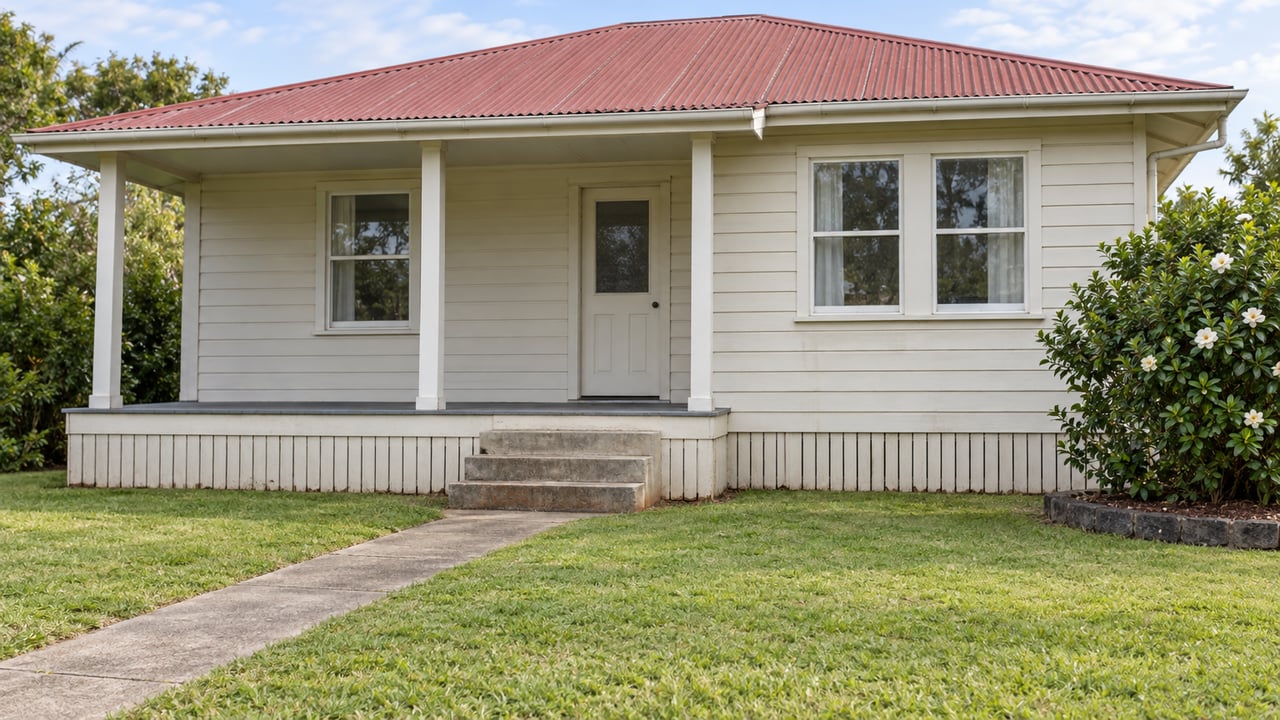
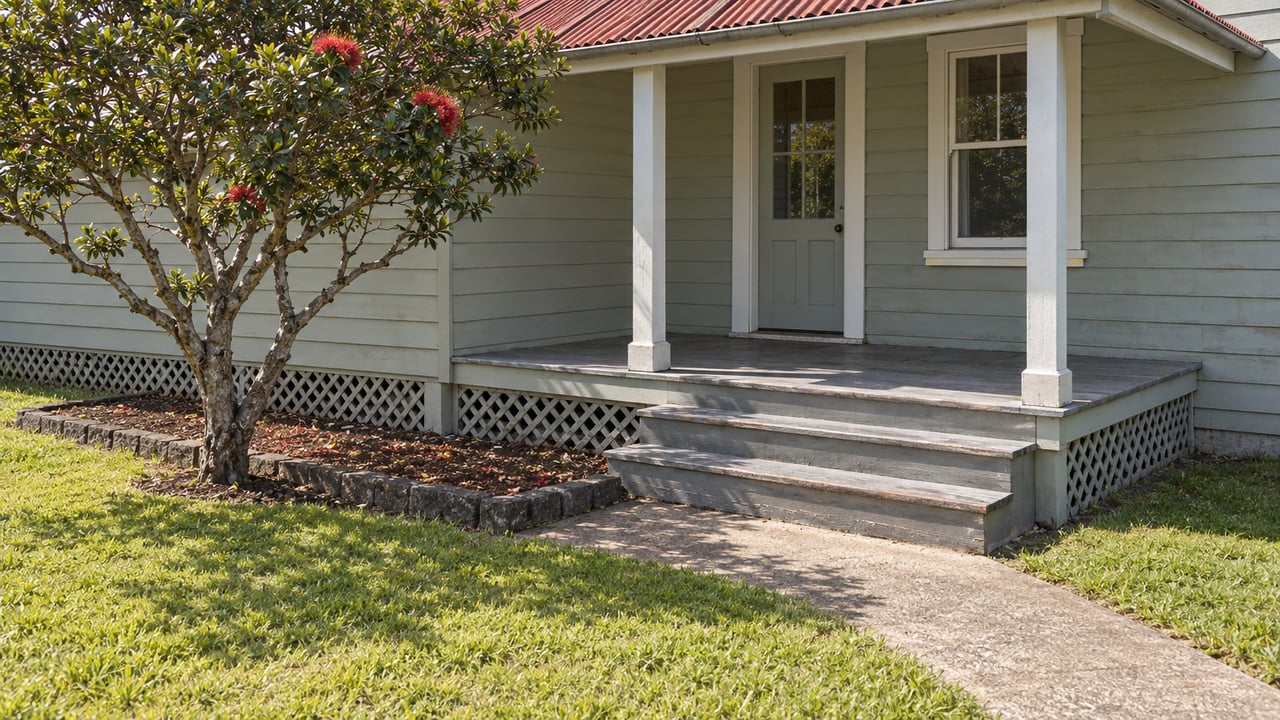
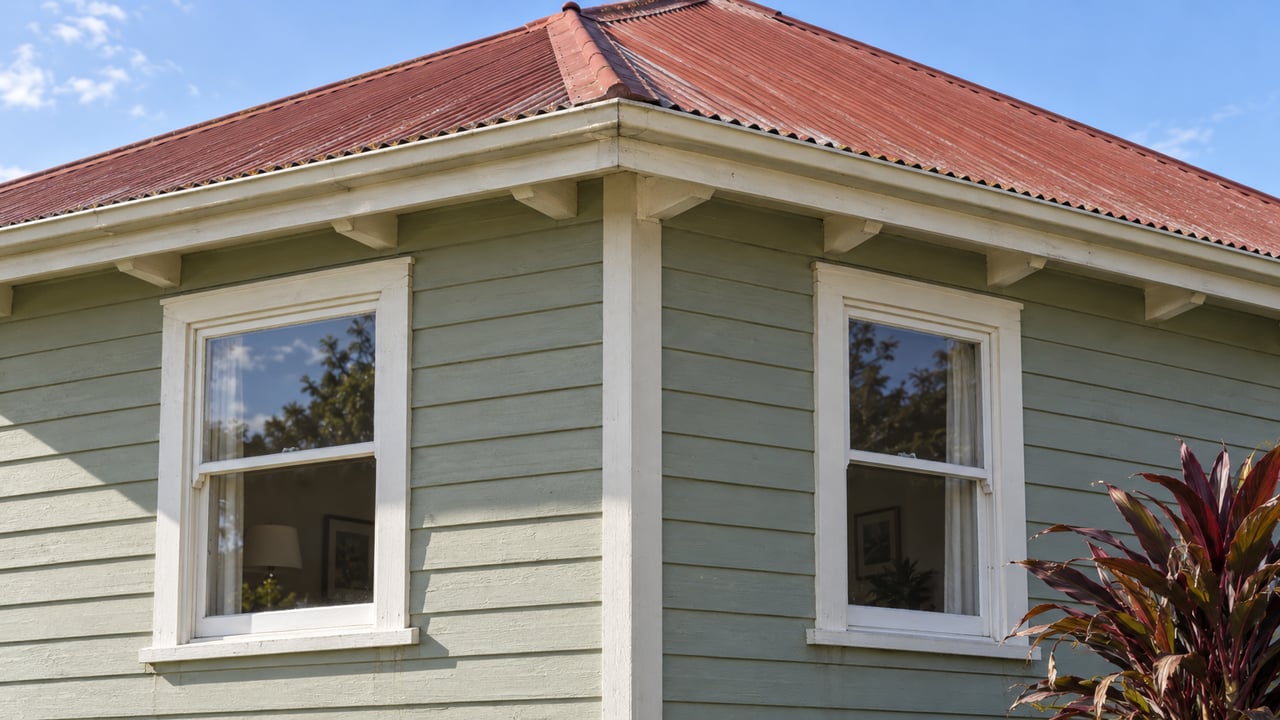
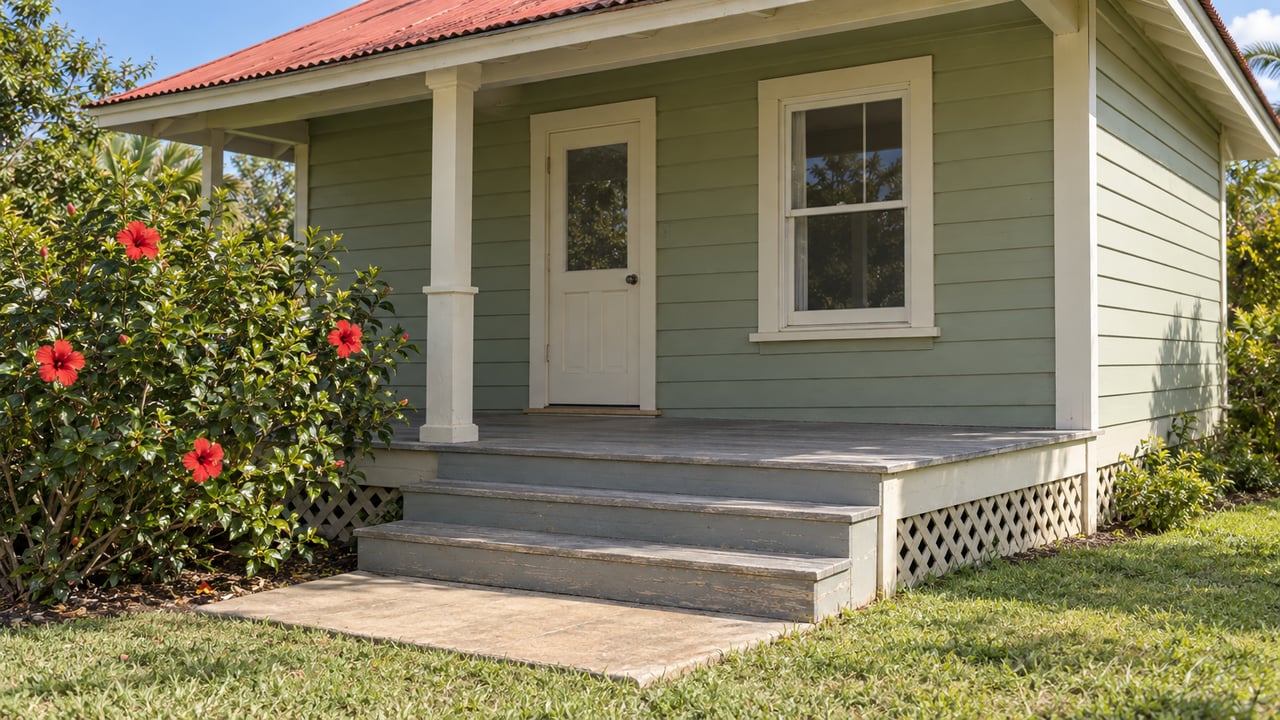
The fourth item on that list usually comes up when a family home is being sorted out. Old newsletters, photo albums and boxes of papers tend to surface during the slow work of clearing a plantation-era house after someone passes, which we cover in our guide to inherited property sales in Lānaʻi City. The houses themselves date from the same era as the records, as our look at home styles in Lānaʻi City explains. When a house changes hands, the stories inside it can go to the building on Lānaʻi Avenue instead of being thrown out.
Some of what the center already holds came from exactly that kind of decision. The Lopez and Minami families each gave a Pine Parade issue, and Dean Del Rosario's father took many of the photographs in the Plantation Life exhibit. Some artifacts in the collection have already shown mildew and mold, and the fund to replace the system protecting them is open now.
If you're preparing a family home in Lānaʻi City and want help deciding what to keep, what to pass on and what comes next for the house, Okamoto Realty has worked with Lānaʻi families through those decisions for decades. Talk with a Lānaʻi real estate expert.
Stay up to date on the latest real estate trends.
We bring together a mix of integrity, imagination and an inexhaustible work ethic, striving to make each buying and selling experience the best possible.