Planning Repairs Before Selling At The Resort At Koele
July 2, 2026
July 2, 2026
Wondering which repairs are worth doing before you sell at The Resort at Koele? That is a smart question, especially when buyers in a resort setting tend to notice finish quality, upkeep, and presentation right away. If you plan carefully, you can focus your time and budget on the updates most likely to reduce buyer concerns and support a smoother sale. Let’s dive in.
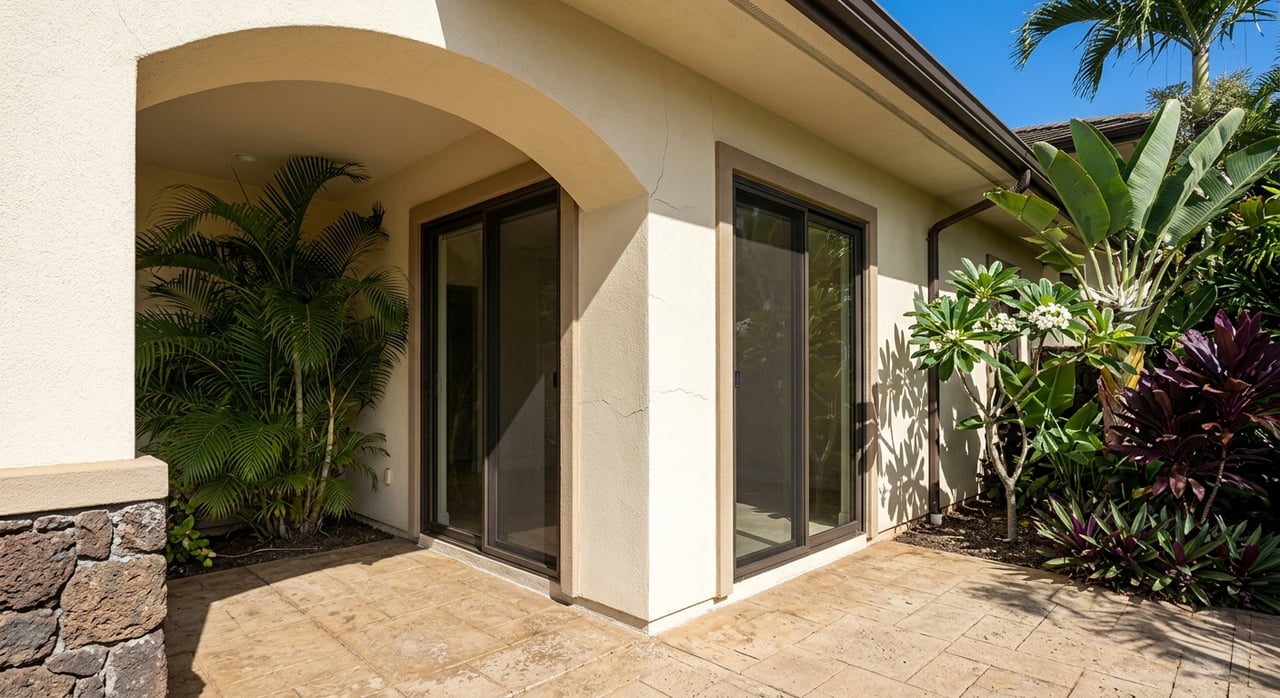
Koele’s setting stands out. Four Seasons describes the area as a secluded upland resort environment with rolling hills, tropical greenery, and resort-style gardens. In a setting like that, worn finishes, exterior wear, and inconsistent upkeep can be more visible during showings.
That does not mean you need a full remodel. In most cases, a better strategy is to fix the issues that create doubt for buyers, then finish with cleaning and presentation. A repair-first plan helps you avoid spending heavily in the wrong places.
Before you call contractors, it helps to sort projects into three simple tiers. This keeps your budget pointed at the items most likely to matter during inspections, buyer walk-throughs, and listing photos. It also helps you avoid doing cosmetic work too early.
Your first dollars should usually go to core property problems. Harvard’s 2025 housing research notes that owner improvement spending remains heavily focused on replacement and repair items such as roofing, windows, and HVAC, and also points to common serious deficiencies like leaks, cracks, plumbing issues, electrical problems, and heating concerns.
For a seller, these are often the most important items to address first because they can raise buyer objections quickly. If a roof issue, moisture problem, electrical concern, or plumbing defect is visible or discovered early, buyers may worry about larger hidden costs.
Common Tier 1 items may include:
Once the major functional issues are handled, move to deferred maintenance. These are the problems that may not stop a sale on their own, but can make buyers feel the home has not been kept up.
Harvard’s research also suggests pre-sale projects can cost much more than routine yearly upkeep. That is a good reminder to stay selective. Focus on visible defects that hurt first impressions rather than opening the door to a broad renovation that may not return enough value.
At Koele, this tier may include:
Cosmetic work should usually come last. Once repairs are complete, you can turn to cleaning, decluttering, curb appeal, and staging.
According to NAR’s 2025 staging research, 83% of buyers’ agents said staging made it easier for buyers to picture a property as their future home. The same research found that 49% of sellers’ agents said staging reduced time on market, while 29% reported a 1% to 10% increase in the dollar value offered.
NAR also found that the most common seller-prep recommendations were:
For many Koele sellers, that final layer can make a meaningful difference once the home’s basic condition is already solid.
In a resort community, presentation matters, but presentation works best when it sits on top of real repair work. Buyers can usually tell the difference between a well-maintained home and one that was only dressed up for photos.
That is why it helps to think about buyer objections in order. If a buyer walks in and notices signs of leaks, deferred upkeep, or worn exterior areas, the conversation often shifts away from the home’s strengths. Taking care of those concerns first can help your property show more confidently.
One of the biggest mistakes sellers can make is starting work without checking permit requirements. In Maui County, a building permit is required for construction, alteration, moving, demolition, repair, and use of any building or structure. Electrical and plumbing work have separate permit sections.
If work involves grading, paving, drainage, or other man-made changes in a special flood hazard area, Maui County says a flood development permit is also required. That matters for some exterior and site work, not only major new construction.
Because permit rules can affect your timeline, it is important to confirm requirements before hiring and before setting a target list date.
If your repair plan may involve permit-triggering work, timing matters. Maui County says building, electrical, and plumbing permits are generally issued within 30 days after a complete application is deemed complete.
The county also states that building inspections are typically performed within 48 hours of receiving a request. Even so, permit review, contractor scheduling, and follow-up work can still add time. Starting too close to your planned listing date can create unnecessary stress.
A practical rule is simple: the more technical the work, the earlier you should start. That gives you room for bids, permit review, repairs, inspections, and final touch-ups before photography and showings.
For many pre-sale projects, professional help is the safer route. Harvard reports that professionally installed improvements made up 84.1% of owner-occupied improvement spending in 2023, which reflects how often repair work is contractor-led rather than do-it-yourself.
Hawaii also has clear contractor rules. The Hawaii DCCA says a contractor license is required for any project over $1,500 in labor and materials, or for any job that requires a building, electrical, or plumbing permit. The same authority says licensed contractors are the ones who can obtain and sign permits.
That means contractor selection is not just about price. It is also about confirming the person you hire is properly licensed for the work and able to handle permit-related steps when needed.
Another reason to plan early is availability. Harvard’s 2025 housing report notes a widespread skilled-trades shortage and says material prices for many construction products remain elevated compared with 2019.
For sellers at Koele, the takeaway is practical. Line up bids early, keep your scope focused, and expect that good contractors may not be available immediately. Waiting too long can shrink your options and push your listing timeline back.
A clear sequence can save money and reduce last-minute surprises. Based on Maui County permit rules, Hawaii contractor rules, and the repair-first logic supported by the research, this is a sensible path for Koele sellers.
Start with a room-by-room and exterior review. Look for obvious wear, unfinished items, moisture concerns, and any problem that could show up in photos or inspections.
A local agent can help you sort these items into must-fix concerns and optional updates. That keeps the discussion grounded in market impact rather than guesswork.
If you suspect roof, plumbing, electrical, or moisture-related issues, bring in the right professional early. A targeted inspection or contractor opinion can help you avoid overspending on the wrong problem.
This step is especially useful if you have been away from the property, inherited it, or have not updated it in some time. Small signs of wear can point to larger maintenance needs.
Before work begins, verify whether permits are required. This is especially important for repairs involving building systems, plumbing, electrical work, or exterior site changes.
Taking this step early helps protect your schedule. It also reduces the risk of stopping and restarting work mid-project.
Handle safety, system, and condition issues before you spend on appearance. This is usually the best place to put your budget if your goal is to remove buyer hesitation.
In most cases, buyers are more comfortable with a home that is mechanically sound and well-maintained, even if every finish is not brand new.
After repairs are done, complete the final polish. Deep cleaning, decluttering, curb appeal work, photos, and staging should come at the end, not the beginning.
This sequence helps your marketing reflect the home’s actual condition. It also prevents you from having to redo presentation work after contractors finish.
One of the most useful takeaways from the research is that pre-sale work can become expensive fast. Harvard notes that homeowners undertaking pre-sale projects spend about twice as much as the annual per-owner improvement average.
That is why discipline matters. The goal is not to improve everything. The goal is to identify which repairs are most likely to remove buyer objections per dollar spent and per week of elapsed time.
For many Koele sellers, the best plan is not a broad cosmetic overhaul. It is a focused, repair-first strategy that improves confidence, supports presentation, and keeps the listing timeline on track.
If you are getting ready to sell at The Resort at Koele, a local, hands-on plan can make all the difference. For practical guidance on repair priorities, vendor coordination, and preparing your property for market, talk with Okamoto Realty LLC.
Stay up to date on the latest real estate trends.
We bring together a mix of integrity, imagination and an inexhaustible work ethic, striving to make each buying and selling experience the best possible.