If you are drawn to The Resort at Koele, chances are you are not just thinking about a home. You are also thinking about how life feels day to day on Lānaʻi. In this part of the island, outdoor living is less about big crowds or packed schedules and more about simple routines, cooler upland air, and easy access to open space. This guide will help you picture the trails, parks, and public outdoor areas that shape everyday life around Koele. Let’s dive in.
Koele’s Outdoor Setting
The Koele area sits in Lānaʻi’s pine-covered uplands, and that setting gives it a very different feel from the island’s shoreline areas. Sensei Lānaʻi, A Four Seasons Resort is centered on wellness and landscaped outdoor space, with 24 acres of botanical gardens and water-efficient grounds.
That matters for lifestyle because the area already feels built around walking, fresh air, and time outside. Instead of a beach-town pattern, you get a higher-elevation environment with trees, cooler conditions, and a quieter pace that many buyers find appealing.
What Daily Outdoor Life Looks Like
On Lānaʻi, there is no public transportation. In practical terms, daily movement around Koele usually means a mix of walking, scheduled shuttle service, and occasional driving.
The state airport transportation information notes that shuttle service connects the resort area, the airport, the ferry terminal, and Lānaʻi City. For you, that means outdoor routines near Koele are often easy to repeat, while town errands or outings to other parts of the island usually take a little planning.
Best Trails Near Koele
The trails that best fit a Koele lifestyle story are the upland routes that reflect the area’s forested terrain. These are the kinds of hikes that help you understand the landscape around the resort community.
Koloiki Ridge Trail
Koloiki Ridge Trail is one of the clearest trail references for the Koele area. The trailhead begins behind the Lānaʻi Adventure Park and Sensei Lānaʻi, and the route runs about 5 miles through Cook pines and Strawberry Guava.
As you continue, the descent opens to views of Maunalei Valley, Maui, Molokaʻi, and Lānaʻi City. For many people, this trail captures what makes Koele distinct: wooded surroundings, elevation, and wide island views rather than a coastal walk.
Hiʻi Trail
Hiʻi Trail is another useful example of the upland terrain near Koele. This route is about 5.1 miles and is known for gradual inclines, shaded tree cover, and an overlook toward the Pālāwai Basin.
If you like hikes that feel steady rather than extreme, this kind of trail adds to Koele’s appeal. It suggests an outdoor routine that can feel active without being overly intense.
Kaiholena Trail
Kaiholena Trail adds a slightly different experience, with a 5.3-mile ridge loop above Cook pines. It helps round out the picture of Koele as an area shaped by higher-elevation ridgelines and wooded open space.
For buyers thinking long term, that kind of setting can be just as important as square footage. The surrounding landscape often becomes part of how you use the property and organize your week.
A Note on Munro Trail
Munro Trail is one of Lānaʻi’s best-known outdoor routes, and it remains an important part of the island’s trail identity. The route begins just north of Lānaʻi City, past the stables of the former Lodge at Koele area, and climbs toward the Pālāwai Basin and Lānaʻihale.
At the moment, though, GoHawaii reports that Munro Trail is currently closed for construction and restoration. So while it is helpful as a landmark in understanding central Lānaʻi, it should not be treated as a dependable everyday outing right now.
Public Open Space Beyond Koele
Living near Koele does not mean your outdoor time stays only in the uplands. Some of the most practical public-access open spaces on Lānaʻi balance out the forested setting with shoreline and town options.
Puʻu Pehe and Hulopoʻe Beach Park
Puʻu Pehe and Hulopoʻe Beach Park are a strong pairing for a simple public outing. Hulopoʻe Beach Park is described as one of Lānaʻi’s most accessible beach areas, with parking, restrooms, picnic tables, and tide pools.
From there, you can take the short hike to Puʻu Pehe. For homeowners and second-home buyers, this is a good reminder that even if Koele is your home base, a beach outing with a short coastal walk is still part of the island’s rhythm.
Dole Park and Lānaʻi City
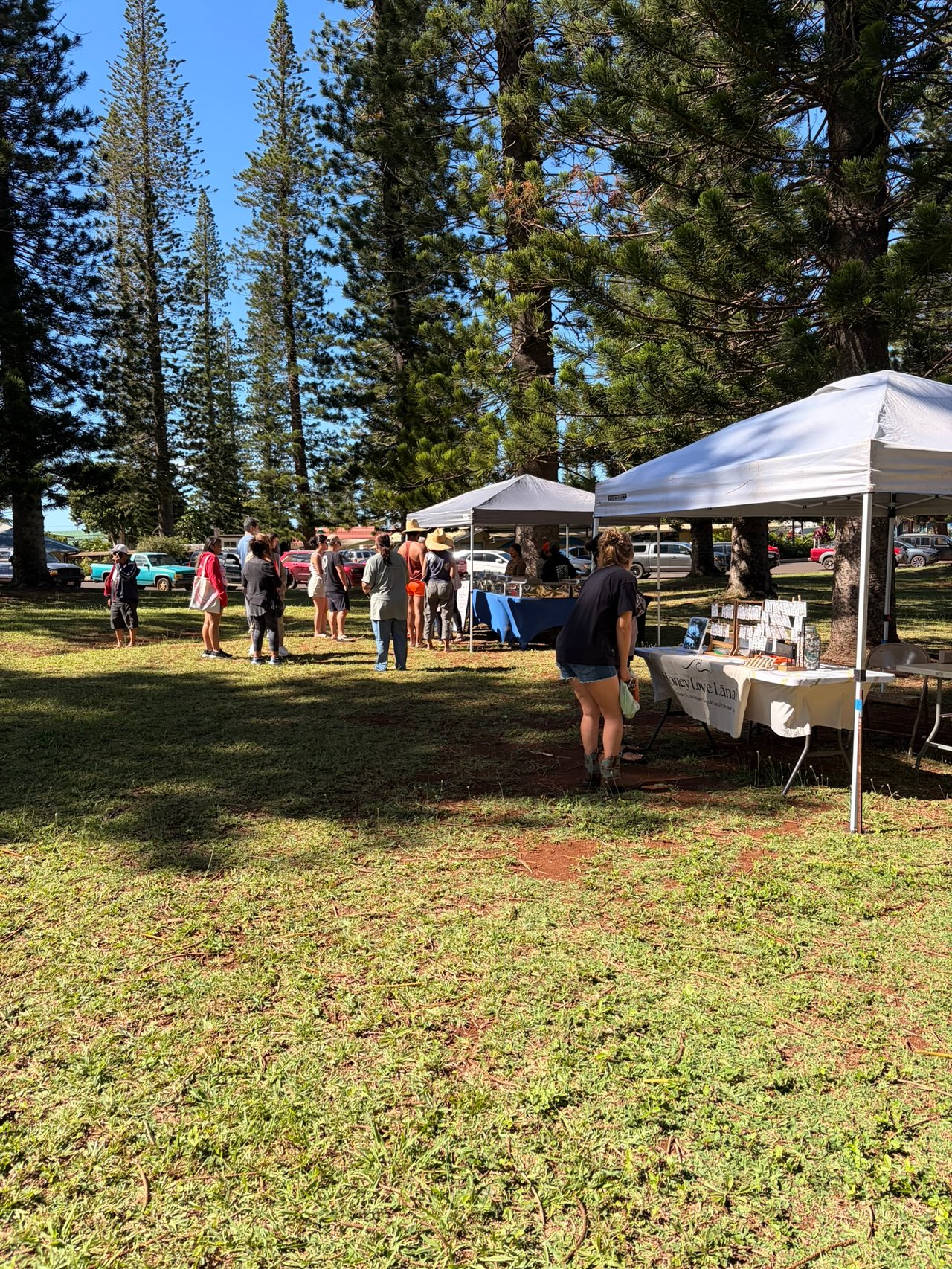
In town, Dole Park is the clearest public green space anchor. Maui County identifies Dole Park, the Lānaʻi Community Center, and the broader Lānaʻi Park Complex as key public facilities.
That recreation cluster includes a gymnasium, youth center, tennis courts, picnic area, playground, and parking. County planning materials also describe Dole Park as the focal point of Lānaʻi City, which helps explain why a walk through town feels compact, connected, and part of everyday community life.
Weekend Outings to Know
If you want to explore farther afield, Lānaʻi also offers a few longer outdoor options. These are better framed as occasional outings rather than part of a daily Koele routine.
Kānepuʻu Preserve
Kānepuʻu Preserve is a 590-acre dryland forest about 20 minutes northwest of Lānaʻi City. It requires four-wheel drive and includes a short self-guided tour using maps at the forest entry.
This is the kind of outing that rewards planning ahead. It broadens your picture of the island by showing a very different landscape from Koele’s pine-covered uplands.
Kaunolū Village
Kaunolū Village brings in another side of Lānaʻi’s outdoor experience. The area includes a coastal historic landscape with sea cliffs, heiau, petroglyphs, and preserved ruins.
For buyers who value place as much as property, outings like this help show how varied the island is. A home near Koele can still serve as a base for exploring shoreline and historic sites on weekends.
How to Plan Trail Time on Lānaʻi
Because trail conditions and closures can change, current planning matters. The Department of Land and Natural Resources Maui Nui trail resources point visitors to the Lānaʻi Guide app created by the Lānaʻi Culture & Heritage Center, along with current hazard and closure tools for trail updates.
That is especially useful on an island where access can be shaped by weather, road conditions, or restoration work. If you are picturing day-to-day life here, it helps to think in terms of flexible outdoor routines rather than fixed assumptions.
Why This Matters for Koele Homebuyers
When you explore homes around Koele, you are also evaluating the kind of outdoor life that comes with the location. The area works best for people who appreciate repeatable, low-key routines like morning walks, shaded trails, time in town, and planned outings to the coast.
That is different from a lifestyle built around constant driving or dense commercial activity. For many buyers, especially those coming from off island, understanding that rhythm early helps you decide whether Koele is the right fit.
A Simple Lifestyle Pattern Around Koele
The clearest way to think about outdoor living near Koele is through a weekly pattern. You might spend one morning walking the landscaped upland grounds, another day heading into Lānaʻi City for errands and a park stroll, and a weekend afternoon making the short public trip to Hulopoʻe and Puʻu Pehe.
That mix is part of what makes the area appealing. It offers open space and variety without requiring a packed itinerary.
If you want help understanding how Koele, Lānaʻi City, or Manele fit your goals, talk with a team that knows the island block by block. Okamoto Realty LLC can help you evaluate not just the home, but the day-to-day lifestyle that comes with it.
FAQs
What trails are closest to The Resort at Koele?
- The most relevant nearby trails are Koloiki Ridge Trail, Hiʻi Trail, and Kaiholena Trail, all of which reflect the wooded upland terrain around Koele.
Is Munro Trail open near Koele right now?
- No. GoHawaii reports that Munro Trail is currently closed for construction and restoration.
What public beach area is convenient from Koele on Lānaʻi?
- Hulopoʻe Beach Park is one of the clearest public beach options to pair with Koele living, and it also connects to the short hike toward Puʻu Pehe.
What park space is available in Lānaʻi City near Koele?
- Dole Park is the main public green space in town, and the nearby Lānaʻi Park Complex includes facilities such as a gymnasium, playground, tennis courts, picnic area, and parking.
How do you usually get around from the Koele area on Lānaʻi?
- In most cases, getting around involves walking, scheduled shuttle service, and occasional driving, since Lānaʻi does not have public transportation.
What kind of outdoor lifestyle does Koele support for homebuyers?
- Koele is best suited to a calm, repeatable outdoor routine built around upland walks, nearby trails, town outings, and planned trips to public coastal areas.