If you live in a Koele condo or one of the single-family homes above Lānaʻi City, the shape of your summer weekend probably shifted this year without much announcement. The Munro Trail, the twelve-plus-mile spine that runs from the cemetery behind The Lodge at Kōʻele up to Lānaʻihale, is closed. Not for a storm week. Not for a holiday. For restoration.
That single change has done more to rearrange upcountry routines than any resort opening or menu swap. This post is about what that rearrangement actually looks like from a Koele front porch, and why the substitutes people are reaching for are not substitutes at all.
The closure, stated plainly
The Hawaii Tourism Authority's island site lists Munro as currently closed due to construction and restoration efforts. That is the whole official notice. No reopen date is posted alongside it, and there is no public schedule for phased reopening that we can point to.
For context on what is off-limits: the trail begins just north of Lānaʻi City, past the stables of the Four Seasons Resort Lānaʻi, The Lodge at Kōʻele, and climbs a one-lane dirt road named for the New Zealand naturalist George Munro, a naturalist from New Zealand who arrived on Lanai in 1890. His planting program is the reason the upland forest exists at all. Cook pines catch fog on their needles, and tests have shown that Cook pines can produce up to 20 inches (508 millimeters) of additional rainfall per year. Every drop of that water table sits under the homes on the Koele side of the ridge. Restoration work on the road that services those trees is not decorative maintenance. It is watershed work.
That framing matters when a neighbor grumbles about the closure at the post office. It is not the trail being taken away from us. It is the trail being kept.
Why "just hike Koloiki instead" misses the point
The reflex answer around town is that the Koloiki Ridge Trail is still open and it is right there, branching off the same trailhead. True. But Koloiki is not a shorter Munro. It is a different exercise entirely.
Here is the contrast a Koele resident should hold in mind before lacing up:
|
Munro (closed) |
Koloiki Ridge (open) |
| Distance |
~12.6–12.8 mi point-to-point |
~5 mi round trip from the Lodge |
| Elevation |
Climbs to Lānaʻihale, ~3,366 ft |
Ends at a ridge overlook |
| Time |
~6 to 7 hours on foot |
~2 to 3 hours |
| Character |
Rain-forest spine, five-island view on a clear day |
Pasture, then pine, then a single vista |
The Munro payoff is the summit. This is the only spot in the state of Hawaii from where one can see five other Hawaiian islands on a clear day. Koloiki does not offer that. What it offers is a compact upland loop that a Koele homeowner can finish before the Garden Bar opens for the afternoon. That is a genuinely different product. Treating it as a Munro substitute is the reason you see hikers turning around at the overlook looking slightly cheated. Treat it on its own terms and it earns repeat visits.
For anyone who used the Munro road primarily as a scenic drive rather than a hike, the honest answer is there is no full replacement this summer. The two-hour four-wheel-drive loop through Maunalei Gulch views does not exist on Lānaʻi right now.
What is actually new on this side of the mountain
While the trail is out, the two properties bracketing Koele have quietly added programming that changes what an afternoon here can look like. These are dated additions from 2026, not evergreen resort copy:
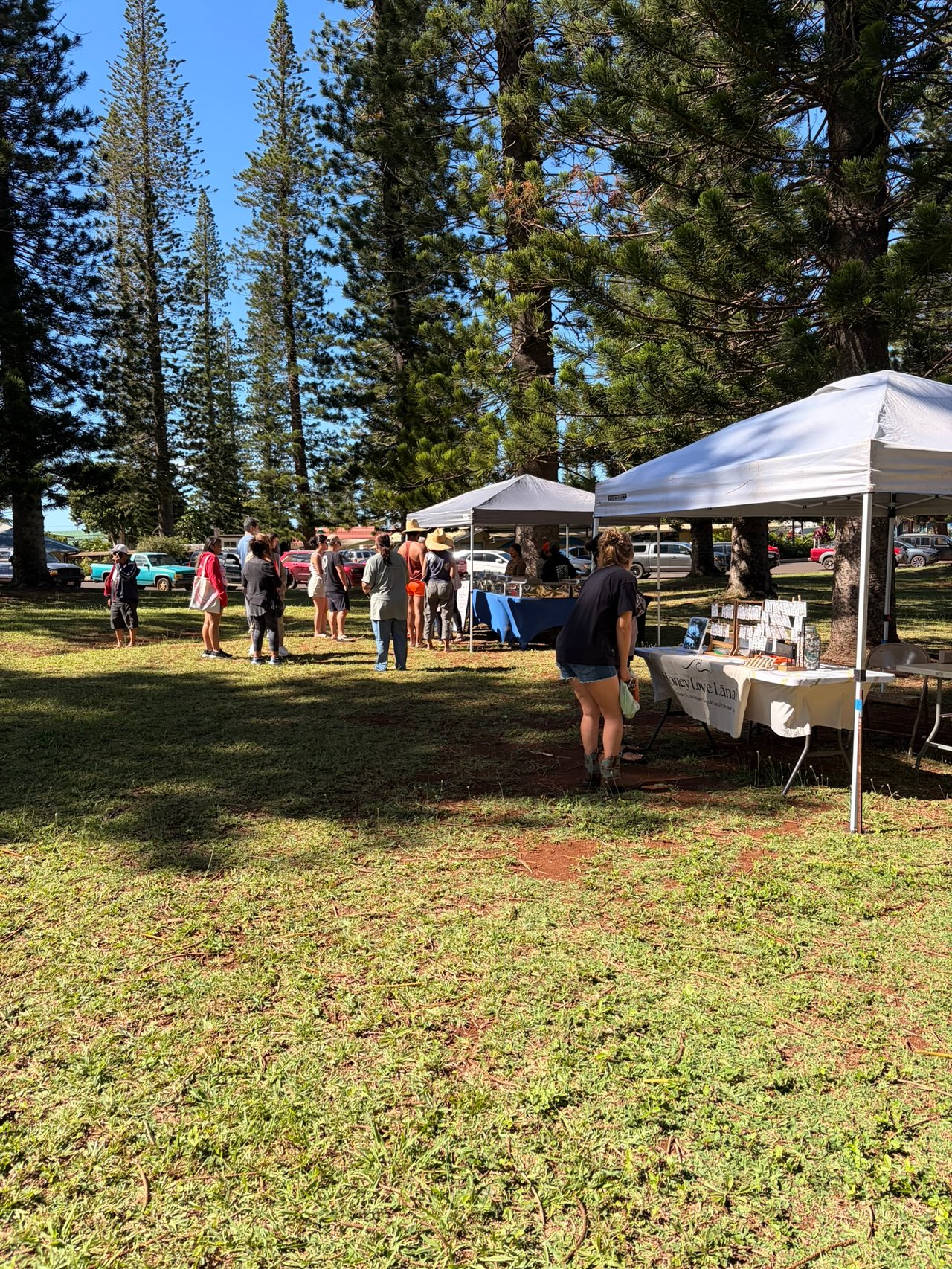
- A refreshed Lānaʻi City-facing program from Four Seasons. The resort's press office released Four Seasons Resorts Lanai Shares New Ways to Explore Lanai City in April 2026, which nudges guests off-property and toward downtown businesses. Practically, that means more foot traffic on Dole Park benches and around the shops, which residents will feel on Saturday mornings.
- Sensei Collections: Metabolic Health and Cognitive Fitness. Launched May 6, 2026 at Sensei Lānaʻi, this is a structured, data-led wellness track rather than a la carte spa work. Even if you never book it, the presence of a two-session cognitive program on the property changes who is walking the Koele grounds on a Tuesday afternoon.
- The Unbridled Retreat. A women-only, four-night equine coaching program announced for summer, first flagged in February 2026 press. If you have wondered why the ranch area has been busier than usual midweek, this is a piece of it.
- The Wednesday 5 p.m. Garden Bar Terrace check-in with Sensei leadership. Every Wednesday, 5:00 pm Join us on the Garden Bar Terrace to connect with Sensei leadership for a relaxed conversation, meaningful feedback and drinks on us. Officially aimed at guests. In practice, the Koele Garden Bar terrace has become a soft, predictable social anchor for the week.
- Live Hawaiian music yoga flow evenings on select Saturdays through the summer, per the resort's Lānaʻi Happenings page.
Read together, these are not luxury announcements. They are schedule pegs a resident can hang a summer week on.
What upcountry Koele residents are actually doing this summer
Rather than list, here is how the week tends to arrange itself now that the ridge road is out of rotation:
Sunrise. With Munro's summit off the table, the sunrise ritual has migrated. The Koloiki spur, done early and briskly, delivers a ridge view before the clouds settle. It is not Lānaʻihale, but it is upcountry light on your own two feet.
Late morning. Ranch walks and the Koele grounds are drawing more resident traffic than in prior summers. The Cook pines that Munro planted are the same ones shading the Lodge lawn. You are still inside his forest.
Midweek afternoons. Lanai Adventure Park's challenge course and Kona electric mountain bike tours pick up when the Munro road is not an option, per the resort's activity listing.
Weekends. Down the hill for the Dole Park routine, then back up for evening cool. The upcountry temperature gap that used to be the reward at the end of a Munro drive is still there. You just get to it by car now.
None of this is a hardship. It is a re-sorting.
The one number worth watching
The single stat that keeps me paying attention this summer is the reforestation figure. Cook pines can produce up to 20 inches (508 millimeters) of additional rainfall per year through fog drip. Set that against the annual rainfall totals recorded upcountry in normal years and it becomes clear how thin the margin is between "green Koele" and "dry Koele." The Munro Trail restoration is, in a functional sense, watershed maintenance dressed as road work. Every quarter the trail stays closed is a quarter of grading, erosion control, and access management that upland property values quietly rely on.
That is a boring sentence. It is also the most important sentence in this post for anyone who owns a home above the 1,600-foot line.
What to tell the visiting friend this summer
Three concrete answers, since this is the question every Koele owner is getting from mainland guests right now:
- No, you cannot drive the Munro Trail this trip. Point them at the closure notice on the state's official island page and move on. Guessing at a reopen date does not help anyone.
- Yes, Koloiki Ridge is open and worth a morning. Trailhead is behind the Lodge, past the cemetery. Bring water. There is none on the trail.
- If they want the five-island view, it is not on the menu right now. Reset expectations before the plane lands, not after.
The larger point
The Munro closure is doing something small and permanent to how upcountry Koele works. It is exposing how much of the daily rhythm here ran on a single ridge road, and how the substitutes we reach for, from Koloiki to the Garden Bar terrace to the ranch walks, are their own things rather than stand-ins. A summer without Munro is not a diminished summer. It is a summer in which the rest of upcountry has to carry the weight the ridge road usually carries, and mostly does.
If you own at Koele and you are thinking about how any of this shows up in the practical side of ownership, from long-term rental demand on the upcountry side to how you talk about the property to a mainland buyer who will inevitably ask about the trail, that is a conversation worth having with someone who has watched the market through several of these upland shifts. Okamoto Realty has been The Resort at Koele's neighborhood office for decades. Talk with a Lānaʻi real estate expert.