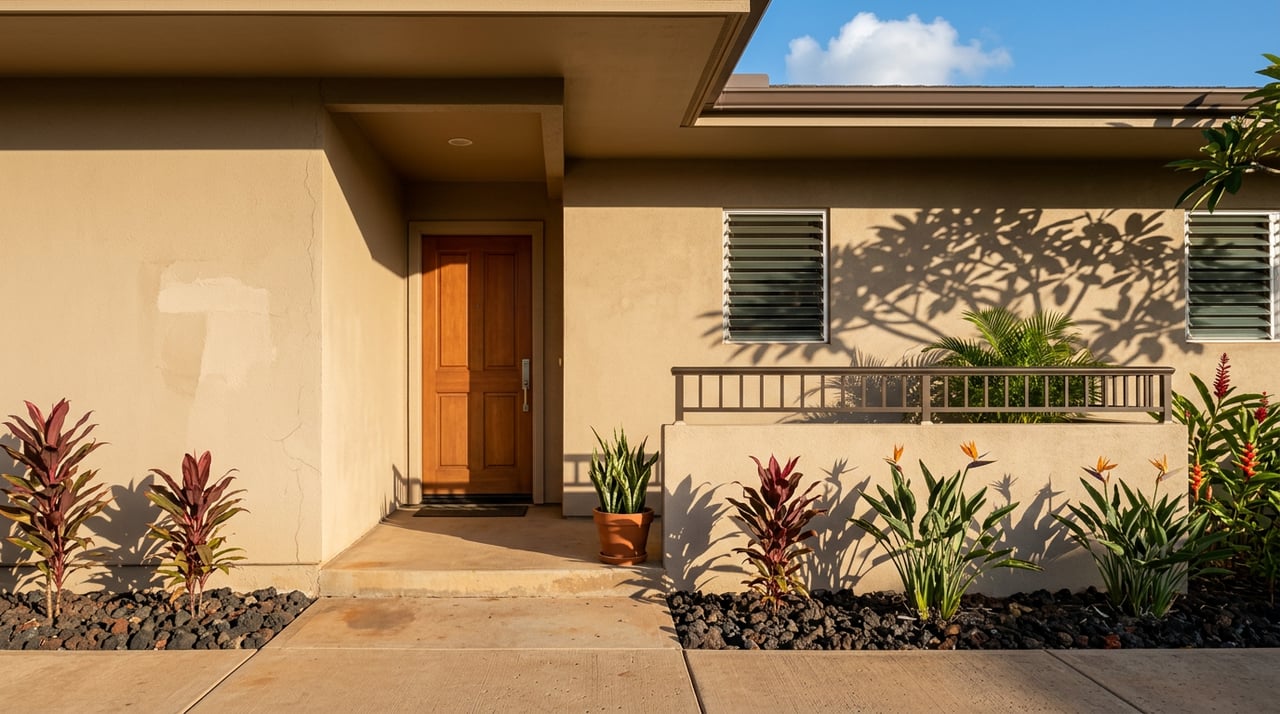
Buyer’s Guide To Manele Bay Resort Condos
March 12, 2026
March 12, 2026
You want the ease of a resort setting with the calm of a small island. Buying at Manele on Lānaʻi offers both, but the details matter: from condo layouts and HOA rules to maintenance realities in a coastal climate. In this guide, you’ll learn what is available at the Terraces Manele Bay, what monthly costs to expect, how taxes and insurance work, and the questions to ask before you write an offer. Let’s dive in.
Manele sits on Lānaʻi’s south shore by Hulopoe Bay, near the Four Seasons Resort Lānaʻi. The residential condos here are commonly called the Terraces Manele Bay, built in phases in the late 1990s and early 2000s as fee simple units. Many buildings are low rise with concrete or stucco construction, ocean‑facing lanais, and private courtyards.
Project summaries confirm the Terraces are condominium ownership, not leasehold, with floor plans that skew larger than typical resort condos. For a quick overview of unit sizes and project notes, review the Terraces page in the Hawaii State Condo Guide. Explore the Terraces project summary.
You will find a practical mix of larger footprints compared to many resort areas:
These are representative ranges from public summaries. Always verify the exact floor plan and interior square footage for the specific unit you are considering. See unit size references.
Listings commonly show open living and dining areas that open to sizable lanais. Primary suites tend to include en‑suite baths, and some units feature outdoor showers. Many larger layouts include built‑in storage and two‑car garages. Luxury units are often offered furnished or turnkey, but verify inclusions in the purchase contract.
Two bedroom offerings come to market infrequently, and three bedroom townhome plans are limited. Scarcity affects pricing, selection, and your timing. If a particular layout or view is important to you, plan for a longer search window and be ready to move when the right unit appears.
The Terraces were developed in phases, and fees vary by unit size and phase. Some listings show a low “association fee” line while the total monthly maintenance can be much higher once master insurance, common utilities, landscaping, and other items are included. The only reliable source is the association’s official statement for the exact unit.
Hawaiiana Management Co., Ltd. has been listed as the managing agent for several Terraces phases in state records. Use the DCCA Association of Unit Owners contact list to confirm the current registered manager and request resale documents. Check the AOUO contact list.
Per Hawaii’s condo rules, you are entitled to a resale certificate that includes the declaration, bylaws, house rules, financials, and the reserve study. Reviewing these documents is the best way to understand what your monthly fees cover and whether any special assessments are planned. Review state guidance on condo disclosures.
Most condo owners carry an HO‑6 policy that covers interior finishes, personal property, and liability, while the HOA’s master policy covers common elements. Coverage can be “bare walls” or “all in,” and hurricane wind deductibles in Hawaii are often high. Flood and earthquake are commonly excluded and may require separate policies. Start by getting the HOA’s master policy declarations and then size your HO‑6 accordingly. Learn how HO‑6 complements the master policy.
Manele is in Maui County, which uses tiered tax rates and classifications. Taxes differ for owner‑occupied versus non‑owner use, and short‑term rental or hotel classifications carry higher rates. If you plan to rent, remember that GET, TAT, and the county MCTAT may apply to rental income. Review the current fiscal year rates and classifications to estimate your annual taxes. See Maui County’s FY2025 tax rates.
Oceanfront and near‑shore buildings require more frequent maintenance. Salt air accelerates corrosion, and concrete, coatings, railings, roofs, and mechanical equipment face higher wear. A strong reserve plan and clear project schedules for painting, balcony and rail replacement, and roof work are critical to avoid surprise assessments. Read coastal maintenance guidance.
When you evaluate a unit, look for evidence of regular exterior maintenance and ask about recent or upcoming capital projects. Also check where exterior equipment is placed. Elevated or protected locations can reduce salt exposure and prolong service life.
If you live off island, plan your support system early. Ask if there is a resident manager on site, what emergency response is available, and whether the manager can accept vendor authorizations for basic repairs while you are away. Many owners retain a local property manager or housekeeping team for periodic checks and coordination.
To confirm association contacts, use the state’s AOUO registry so you have a reliable, on‑island point of contact for questions or after‑hours issues. Verify the registered managing agent.
For travel, Lānaʻi is reached by short interisland flights into LNY and, at times, by ferry service from West Maui to Manele. Schedules and operators can change, so build in margin for weather and plan your visits around association meetings and key inspections. Get an overview of Lānaʻi travel logistics.
Rental rules can differ by building phase. Some public summaries and registrations indicate vacation rental is not allowed, while select listings describe past rental activity. Zoning and association rules are not the same, and some past uses may be grandfathered. Always read the declaration and house rules and get the association’s current rental policy in writing. Check the Terraces project notes.
Many owners highlight proximity and walkability to the Four Seasons. An Island Club membership is often described as a separate, purchasable option that can provide access to resort amenities such as golf and pools. Treat this as a separate transaction and confirm cost, terms, and transferability with the seller or membership office before relying on it.
Buying on Lānaʻi is as much about fit as it is about square footage. With limited inventory and phase‑by‑phase rules, local insight saves time and reduces guesswork. If you want steady guidance from a small, community‑rooted brokerage that knows the Terraces and the island’s logistics, connect with Okamoto Realty LLC. We can help you review documents, coordinate inspections, and plan for a smooth lock‑and‑leave setup.
Talk with a Lānaʻi real estate expert at Okamoto Realty LLC.
Stay up to date on the latest real estate trends.
We bring together a mix of integrity, imagination and an inexhaustible work ethic, striving to make each buying and selling experience the best possible.