Everyday Life In Lānaʻi’s Manele Bay Community
March 5, 2026
March 5, 2026
What does a normal Tuesday feel like in Lānaʻi’s Manele Bay? If you picture quiet mornings, ocean air, and a short walk or golf-cart ride to the beach, you’re close. Life here is simple and scenic, but it also runs on small‑island rhythms. In this guide, you’ll see what day‑to‑day living looks like, where you’ll shop and dine, how you’ll get around, and what kinds of homes you’ll find near Hulopoʻe Bay. Let’s dive in.
Manele sits on the southeast coast of Lānaʻi, wrapping the hills above Manele Small Boat Harbor and the shoreline at Hulopoʻe Bay. From Lānaʻi City, it’s about 8 miles to the coast. The drive is short on paper, but island speed limits and a two‑lane road make it a local trip rather than a quick highway hop. The island itself is home to roughly 3,000 residents and is largely stewarded by Pūlama Lānaʻi, which manages land, housing, and key services across the island. You’ll feel that hands‑on approach in daily life and upkeep around the resort areas and town (learn more about Pūlama Lānaʻi’s role).
Inter‑island air service runs through Lānaʻi Airport (LNY). Schedules are limited, aircraft are small, and times can shift seasonally. If you expect frequent travel, plan ahead, build in buffer time, and check carrier schedules before you commit to weekly trips (see a practical travel overview for Lānaʻi). A passenger‑only ferry also connects Lahaina (Maui) and Manele Harbor. It’s a scenic, useful route if you’re traveling light, but it does not carry vehicles. Always confirm the latest route details and times before you go (check current ferry info).
On‑island, most owners drive a car or use a golf cart around the resort neighborhood. Unpaved roads are common away from the core areas, so a 4×4 is recommended if you plan to explore beyond Manele.
Hulopoʻe Bay is the daily heart of Manele. The beach is a broad, protected crescent with clear water, tidepools, and a short trail to Pu‘u Pehe (Sweetheart Rock). The shoreline is part of a state Marine Life Conservation District, which means the area has special rules that protect coral and marine life. Fishing and collecting are restricted in most zones, and boating follows strict guidelines. Facilities at the park include restrooms and showers. If you live nearby, morning swims and snorkels are part of the routine, but you should always follow posted signs and the MLCD rules (review the state’s MLCD guidance).
For basics, Manele Small Boat Harbor hosts the Manele General Store. You’ll find grab‑and‑go items, drinks, and essentials, which is perfect for beach days or a quick top‑up. For fuller grocery runs, you’ll head to Lānaʻi City, where island stores carry a wider selection. Expect higher prices and occasional gaps due to barge and flight schedules that move goods to the island (see the harbor store overview).
The Four Seasons Resort Lānaʻi anchors dining and upscale services in Manele. On‑property options include Nobu, Malibu Farm, and seasonal concepts. Reservations are often required, and day‑guest policies can change, so it’s smart to check current details before planning a special night out (see current dining options and policies).
Golf is a signature part of the area. The Manele Golf Course spans dramatic cliffside holes that look out over Hulopoʻe Bay. The course operates as a resort and club facility, and tee time access is usually arranged through the resort or membership channels. Fees are premium and public play is more limited than at a municipal course, so confirm access options that fit how you plan to use your home (learn about golf access and programs).
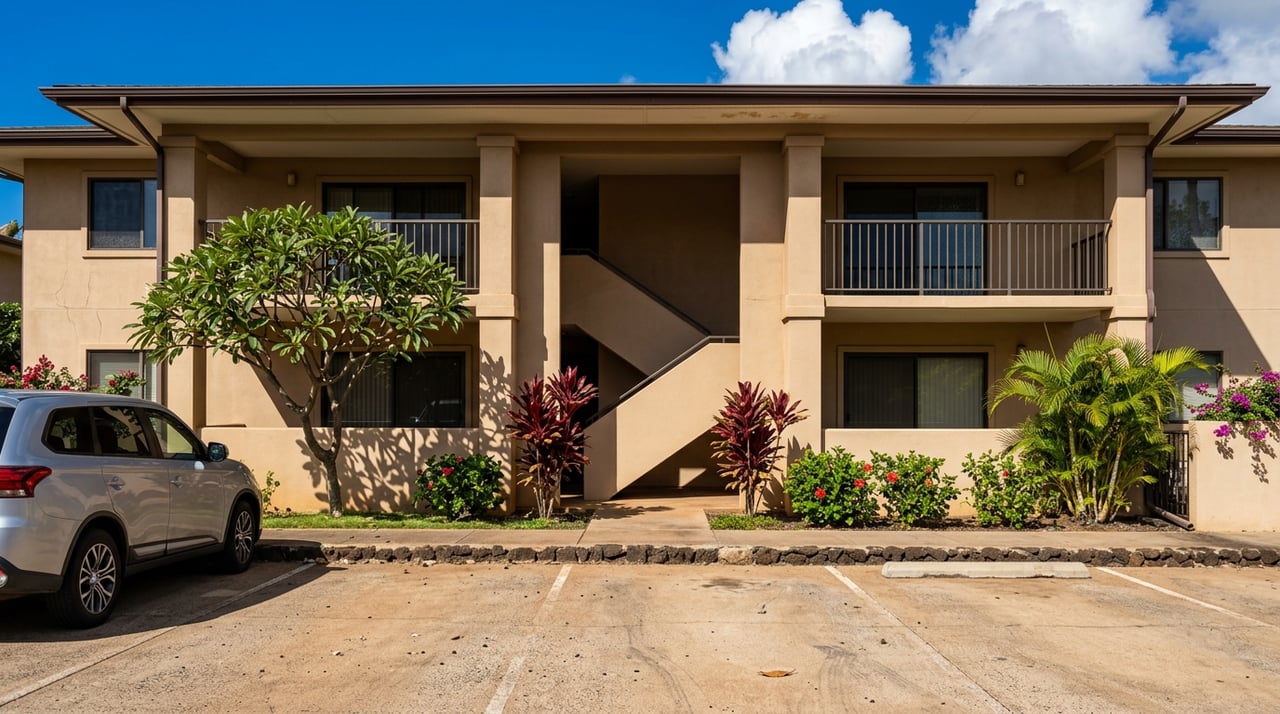
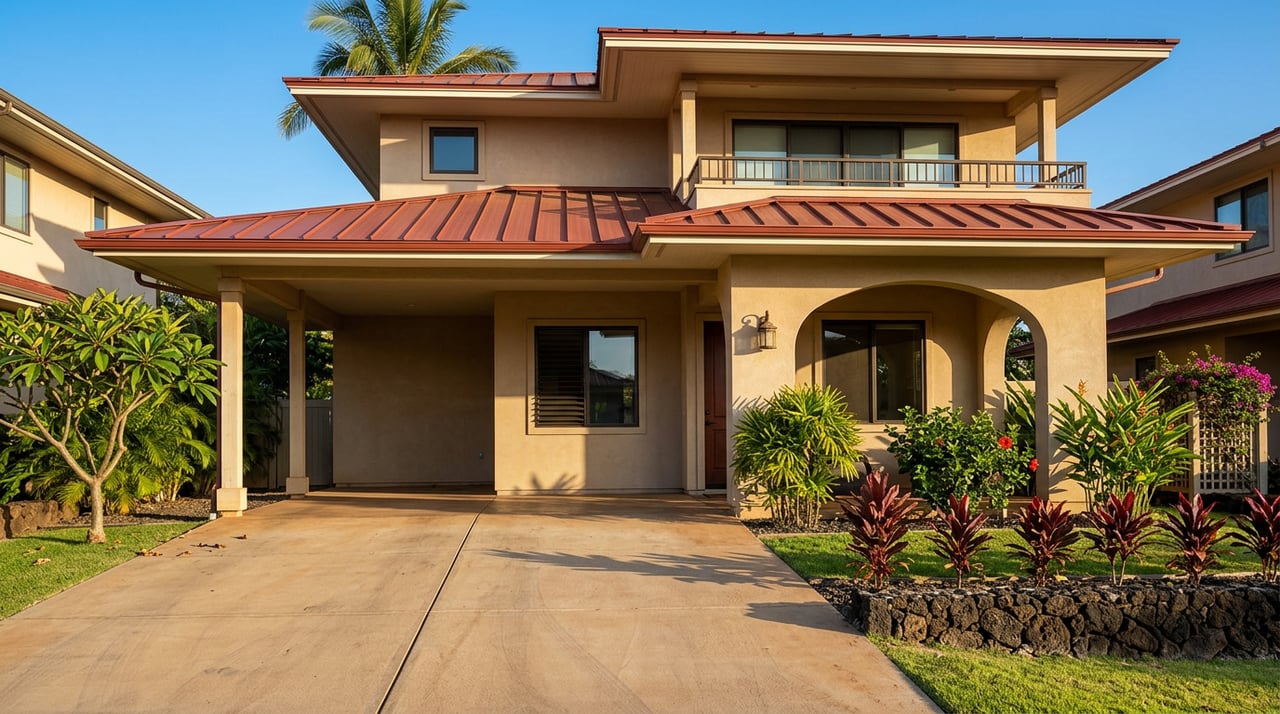
Inventory near Manele is limited and listings come to market infrequently. You’ll see two main patterns:
Across both areas, you should expect island‑market pricing dynamics. ZIP‑level medians for Lānaʻi (96763) reported in broader studies help frame the island context, but they do not reflect luxury, resort‑adjacent condos in Manele. For orientation, UHERO’s Hawaii Housing Factbook is a useful statewide reference on affordability and supply pressures (see UHERO’s 2025 Factbook). Your agent can walk you through recent comps and current HOA fees for specific buildings in Manele.
If you intend to rent your property, confirm HOA rules and county regulations before you buy. Many owners choose local property management for long gaps between visits, and some buildings limit short‑term rentals. Policies can shift, so it is important to understand what is allowed today and how that fits your plans.
Manele feels calm and low‑density. Landscaping is well kept, traffic is light, and outside of peak resort periods the neighborhood can be very quiet. You’ll find your social and service hub up the hill in Lānaʻi City, where community events, groceries, and everyday services cluster. Island stewardship from Pūlama Lānaʻi continues to shape housing, infrastructure, and conservation efforts, which supports the balance between visitor amenities and resident needs (read about stewardship priorities).
The island feels livelier during holidays and winter, when humpback whales pass through the channels. Peak sightings typically run January through March, and you can often see spouts and breaches from shore above Hulopoʻe. For ocean safety and viewing guidance, check resources from the Hawaiian Islands Humpback Whale National Marine Sanctuary (learn about whale season). Outside those windows, Manele settles into a quiet, everyday pace.
Buying on a small island is personal and practical. You need clear answers, reliable coordination, and a local team that knows vendors, HOA norms, and island logistics. Okamoto Realty has been serving Lānaʻi families and off‑island buyers for decades with steady, hands‑on help. We provide buyer and seller representation across Lānaʻi City, Manele, and Koʻele, and we offer limited long‑term rental and property management services for owners who want consistent care without short‑term turnover. If you’re weighing a Manele condo or a Koʻele retreat, we’ll walk you through comps, fees, membership options, and everyday realities so you can choose with confidence.
Ready to explore homes around Manele Bay? Talk with a Lānaʻi real estate expert at Okamoto Realty LLC.
Stay up to date on the latest real estate trends.
We bring together a mix of integrity, imagination and an inexhaustible work ethic, striving to make each buying and selling experience the best possible.